

Your Body’s Natural Air Conditioner
Our bodies have a brilliant, built-in cooling system: sweating. When we get hot, we perspire. The sweat on our skin then evaporates, a process which draws heat away from the body and cools us down. This system works wonderfully in dry conditions, where
the air can easily absorb the extra moisture. Think of it as a highly efficient, personal air conditioner that kicks in whenever your internal temperature starts to rise. In an ideal environment, this process is so effective that we might not even notice it happening, but it is constantly working to maintain our body's delicate temperature balance.
When Humidity Throws a Wrench in the Works
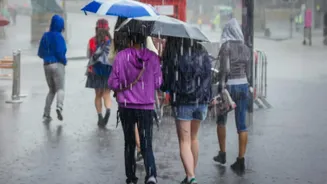
Monsoon weather completely disrupts this natural cooling process. High humidity means the air is already saturated with water vapour. Because the air is already 'full' of moisture, your sweat has nowhere to evaporate. Instead of disappearing and cooling you down, it just sits on your skin, leading to that sticky, clammy feeling. Your body continues to produce sweat in an attempt to cool off, but it's an inefficient effort. This struggle to regulate temperature is the very definition of heat stress, where the body's cooling mechanism is compromised by the environment.
The Concrete Jungle's Heat Trap
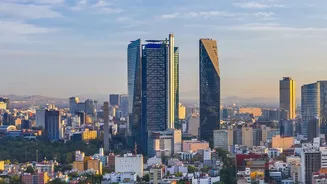
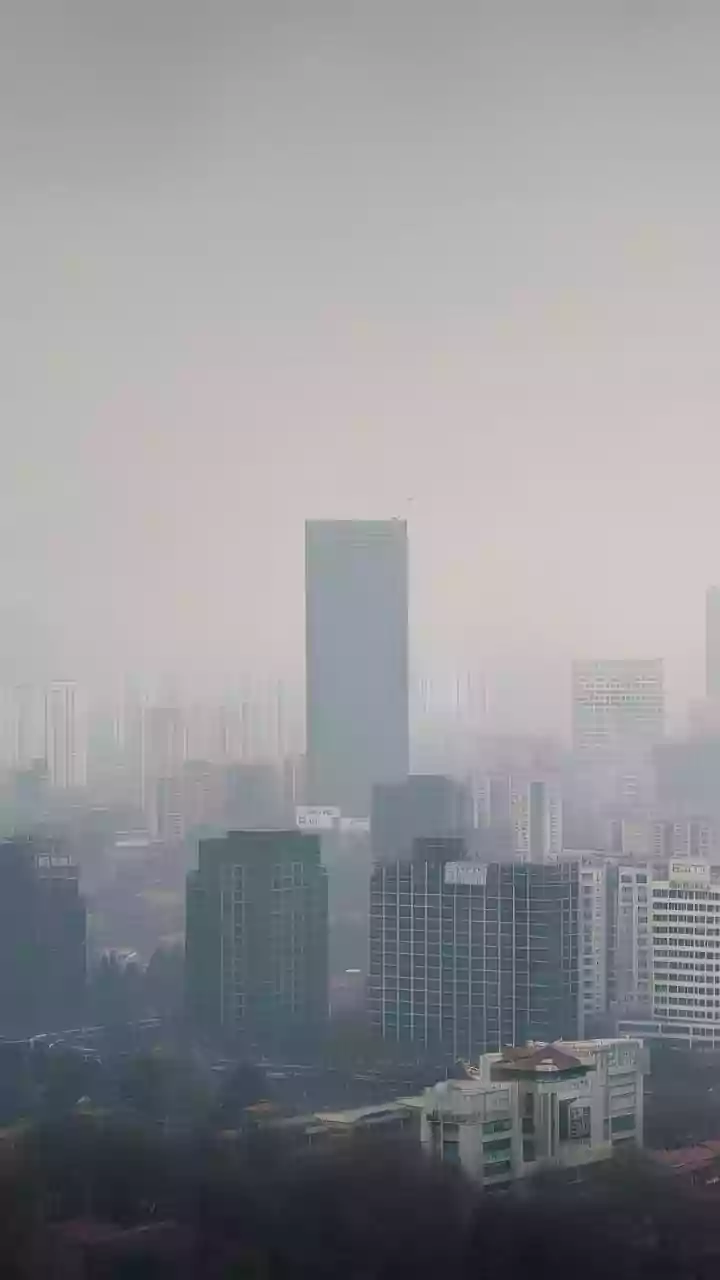
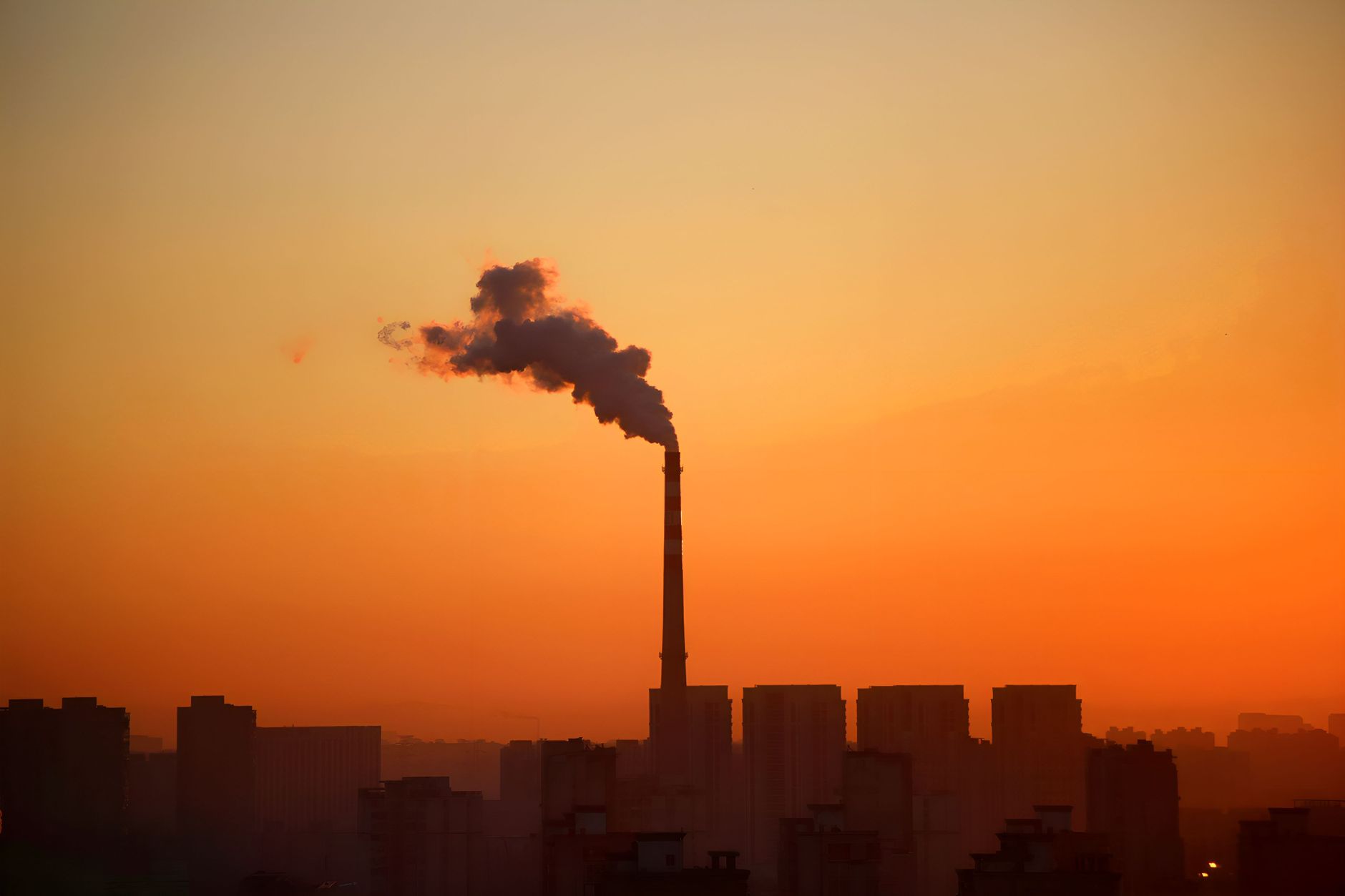
This problem is significantly worse in cities due to a phenomenon called the Urban Heat Island effect. Urban areas are packed with materials like concrete, asphalt, and dark roofing that absorb and retain far more of the sun's heat than natural landscapes like forests and fields. During the day, these surfaces can become incredibly hot, radiating heat back into the air. After sunset, they release this stored heat slowly, preventing cities from cooling down at night. Compounding this is the lack of green space and vegetation, which would normally provide cooling through shade and evapotranspiration. This turns our cities into vast heat traps, consistently warmer than surrounding rural areas.
A Dangerous Combination for Cities
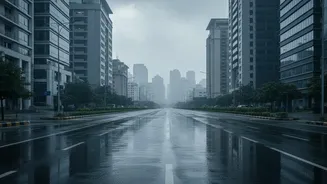
When you combine the high humidity of the monsoon with the Urban Heat Island effect, you get a dangerous cocktail. The city is already artificially hot because of its infrastructure, and this excess heat gets trapped under a blanket of heavy, moist air. The lack of airflow between tightly packed buildings further exacerbates the problem. This means that even if the thermometer shows a temperature of, say, 35°C, the 'feels-like' temperature, or heat index, could be well over 45°C. This is because the heat index measures the combined effect of air temperature and humidity, providing a much more accurate picture of the stress being placed on the human body.
More Than Just Discomfort: The Health Risks
This isn't just about feeling uncomfortable; it's a serious public health issue. Prolonged heat stress can lead to heat exhaustion, characterized by dizziness, nausea, and heavy sweating. If the body's temperature continues to rise, it can escalate to heatstroke, a life-threatening condition where the body's internal temperature reaches dangerous levels, potentially leading to organ failure. Scientists use a measurement called 'wet-bulb temperature' to assess the point at which the air is so hot and humid that even a healthy person can no longer cool down through sweating. As climate change drives temperatures and humidity higher, particularly during the monsoon, many parts of India are getting closer to this dangerous threshold, especially in dense urban centres.
Cooling Our Future Cities
Addressing this growing threat requires a two-pronged approach. On a personal level, it’s crucial to stay hydrated, avoid strenuous outdoor activity during peak heat, and wear light, breathable clothing. For those in vulnerable groups, such as the elderly and young children, finding cool spaces is paramount. From a city-planning perspective, solutions lie in mitigating the Urban Heat Island effect. This includes investing in 'cool roofs' that reflect sunlight, increasing green cover with parks and trees to provide shade and natural cooling, using more permeable construction materials that retain less heat, and ensuring urban design promotes better airflow. Recognizing that humid heat is a year-round threat, not just a summer crisis, is the first step toward building more resilient and livable cities for the future.