




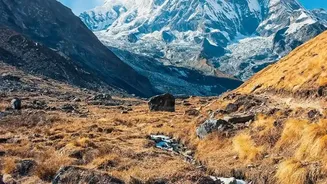
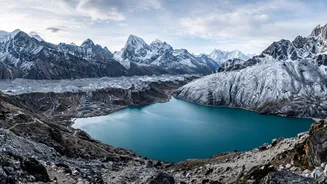

The call of the Himalayas is irresistible, promising adventure and breathtaking beauty. But a recent case involving a trekker in Nepal serves as a stark reminder that these majestic peaks demand respect, and rules are not mere suggestions.
A Modern Cautionary Tale
While specific
details of individual incidents often remain private, the pattern is tragically familiar. Consider a scenario that plays out multiple times a year: a trekker, seeking solitude and to save a little money, decides to venture onto a popular trail without the required permits or a registered guide. They might have years of hiking experience elsewhere. But the Himalayas are different. An unexpected whiteout descends, the trail vanishes, and a minor ankle twist becomes a life-threatening problem. Because they have no Trekkers' Information Management System (TIMS) card and no guide, rescue authorities have no record of their intended route or even that they are on the mountain at all. This 'invisibility' turns a manageable rescue into a desperate, large-scale search, wasting critical time and resources.
Understanding Nepal's New Rules
For years, trekkers could buy permits and hike independently. That has now changed. As of 2023, and strictly enforced, all foreign trekkers in most national parks and conservation areas must be accompanied by a licensed Nepali guide. This rule was introduced to enhance safety and ensure tourists don't get lost or fall ill at high altitudes without support. Consequently, you can no longer acquire a TIMS card as a solo individual; it is now issued only through registered trekking agencies who also arrange your guide. For most popular treks, like those in the Annapurna region, this means you need both a guide-linked TIMS card and a conservation area permit. The Everest region is a notable exception, where the TIMS card is replaced by a local municipality permit, though a guide is still highly recommended.
More Than Just Paperwork
It's easy to view permits as just another fee, but they are the backbone of a sustainable and safe trekking industry. The fees directly fund vital services. Revenue from Annapurna Conservation Area Permits (ACAP), for example, is used to maintain the trails you walk on, manage waste, and run conservation projects that protect the fragile alpine ecosystem. Most importantly, the permit system is a safety net. The TIMS database registers your itinerary, allowing authorities to track who is where. In an emergency, from an earthquake to a personal accident, this information is the first thing rescue teams use to locate missing persons. Without it, you are a ghost in one of the world's most formidable environments.
The Real Risks of Skipping Permits
Attempting to trek without the proper documentation is a high-stakes gamble. If caught at a checkpoint, you will face fines significantly higher than the permit cost itself. Officials have the authority to remove you from the trail and even deport you, banning you from future travel to Nepal. Furthermore, most travel insurance policies are rendered void if you are engaging in illegal activities. If you need a helicopter evacuation—which can cost tens of thousands of dollars—your insurer may refuse to cover it if you were trekking without the mandatory guide and permits. The financial risk is immense, but the ultimate cost is to your own safety. Without a guide or official registration, you are alone and unaccountable if disaster strikes.
Your Checklist for a Safe Trek
Planning a trek in Nepal is now more streamlined and safer than ever. The first step is to engage a government_registered trekking agency. They are your one_stop shop for arranging licensed guides and securing all necessary permits. For Indian citizens, permit fees for regions like Annapurna are often discounted under SAARC agreements. You will need to provide a copy of your passport, passport_sized photos, and your travel insurance details, which must include high_altitude helicopter rescue. Your agency will handle the paperwork at the Nepal Tourism Board or other relevant offices in Kathmandu or Pokhara. Always carry your permits with you in a waterproof bag during the trek, as they will be checked at multiple points along the route.