









Pioneering New Realities
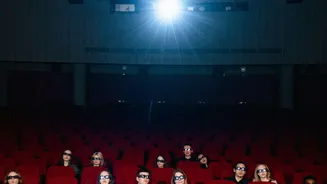
When James Cameron’s Avatar released in 2009, it wasn't just a movie; it was a technological revolution. Its groundbreaking use of 3D technology created a level of immersion audiences had never experienced. Viewers weren't just watching a film about the
alien world of Pandora, they felt like they were in it. This technical wizardry, combined with a universally accessible story about environmentalism and colonialism, created a must-see event that drew audiences to cinemas in unprecedented numbers. The film's success proved that offering a unique visual experience, one that couldn't be replicated at home, was a powerful driver for box office domination. Cameron doubled down on this formula with the sequel, Avatar: The Way of Water, once again pushing the boundaries of visual effects to secure its place among the all-time highest earners.
The Grand Cinematic Finale
Avengers: Endgame was more than a superhero movie; it was the culmination of a decade-long narrative experiment. Marvel Studios meticulously built an interconnected universe across 21 films, creating deep emotional investment from fans worldwide. The success of Endgame was built on the promise of a satisfying conclusion to a story that audiences had followed for years. Its marketing campaign was a masterclass in managing hype while preserving narrative secrets, using hashtags like #DontSpoilTheEndgame to turn the audience into partners in protecting the experience. This strategy transformed the film's release into a global cultural moment, where seeing it on opening weekend was essential to be part of the conversation. It wasn't just a sequel; it was the ultimate payoff.
A Timeless Tale on an Epic Scale
Long before cinematic universes, there was Titanic. Released in 1997, James Cameron's epic proved that a powerful, emotional story could be just as much of a draw as special effects. The film masterfully blended a fictional romance with a meticulously recreated historical disaster. The love story between Jack and Rose gave audiences a deeply personal entry point into the large-scale tragedy, creating an emotional anchor that resonated across demographics and cultures. Its success was also bolstered by the star-making performances of Leonardo DiCaprio and Kate Winslet and a chart-topping theme song. Titanic demonstrated that at the core of a blockbuster must be a compelling story with characters the audience can root for, a lesson that remains true today.
Harnessing the Power of Nostalgia
Sometimes, the key to future success lies in the past. Films like Star Wars: The Force Awakens and Jurassic World tapped directly into the power of nostalgia to achieve massive box office success. These films didn't just reboot a franchise; they carefully blended beloved original characters and themes with a new generation of heroes and modern filmmaking techniques. For audiences who grew up with the original films, it was a chance to relive the magic. For new, younger viewers, it was an exciting introduction to a rich, established world. This strategy of leveraging pre-existing emotional connections gives a film a powerful head start, turning a movie premiere into a multi-generational event. The box office results show that when done right, looking back can be a very profitable way forward.
Marketing as a Global Event
A common thread among these cinematic giants is a marketing strategy that positions the film not just as a product, but as a can't-miss global event. This involves far more than just trailers and posters. It includes worldwide press tours, strategic social media campaigns that build anticipation without revealing spoilers, and partnerships that embed the film in popular culture months before its release. Marvel, for example, excels at engaging fans directly through social media, creating a community that feels a sense of ownership over the franchise. These campaigns are designed to be inclusive and reach diverse international markets from the outset. By the time the movie hits theatres, it feels less like a simple release and more like a cultural phenomenon that everyone needs to be a part of.