
The Legend of the NASA Study
The idea that houseplants are powerful air purifiers largely stems from a landmark 1989 NASA study. Scientists were looking for ways to clean the air in sealed environments like space stations. In their research, they placed common houseplants inside
small, sealed chambers and injected volatile organic compounds (VOCs) like benzene and formaldehyde—chemicals often found in everyday household items. The results were exciting: some plants were able to remove a significant percentage of these pollutants from the chamber's air over a 24-hour period. Plants like the Peace Lily, Snake Plant, and English Ivy became overnight heroes, and the 'air-purifying plant' was born.
From Sealed Lab to Living Room
The problem is that our homes are nothing like the sealed chambers used by NASA. A typical home or office has a much larger volume of air and, crucially, experiences constant air exchange with the outdoors. Even in a seemingly closed room, air moves through windows, doors, and ventilation systems. More recent analyses of the NASA data, put into a real-world context, have painted a different picture. A 2019 review concluded that the air-cleaning effect of plants in a normal indoor setting is actually quite minimal. The rate at which buildings naturally ventilate themselves far outpaces the slow, steady work of a few potted plants.
The Numbers Don't Lie
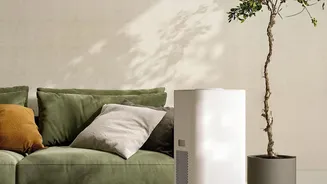
So, how many plants would it take to actually make a difference? According to modern research, the number is impractically high for the average homeowner. Studies estimate you would need anywhere from 10 to 1,000 plants per square meter to replicate the air-cleaning effects seen in the lab. To put that in perspective, for a modest 1,500-square-foot home, you might need nearly 700 plants to achieve significant VOC removal. While a few dedicated plant lovers might accept that challenge, it's clear that a handful of decorative plants on a windowsill won't act as a substitute for an air purifier or good ventilation.
The Plants We Still Love
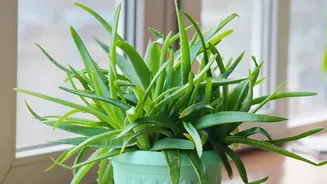
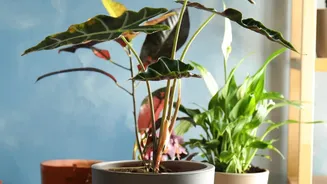
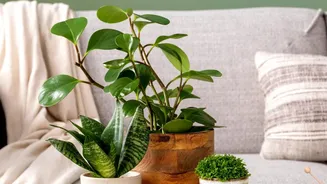
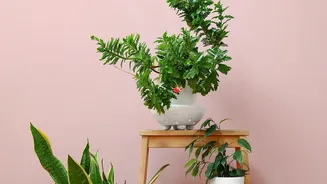
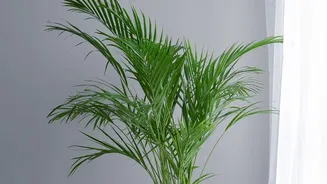
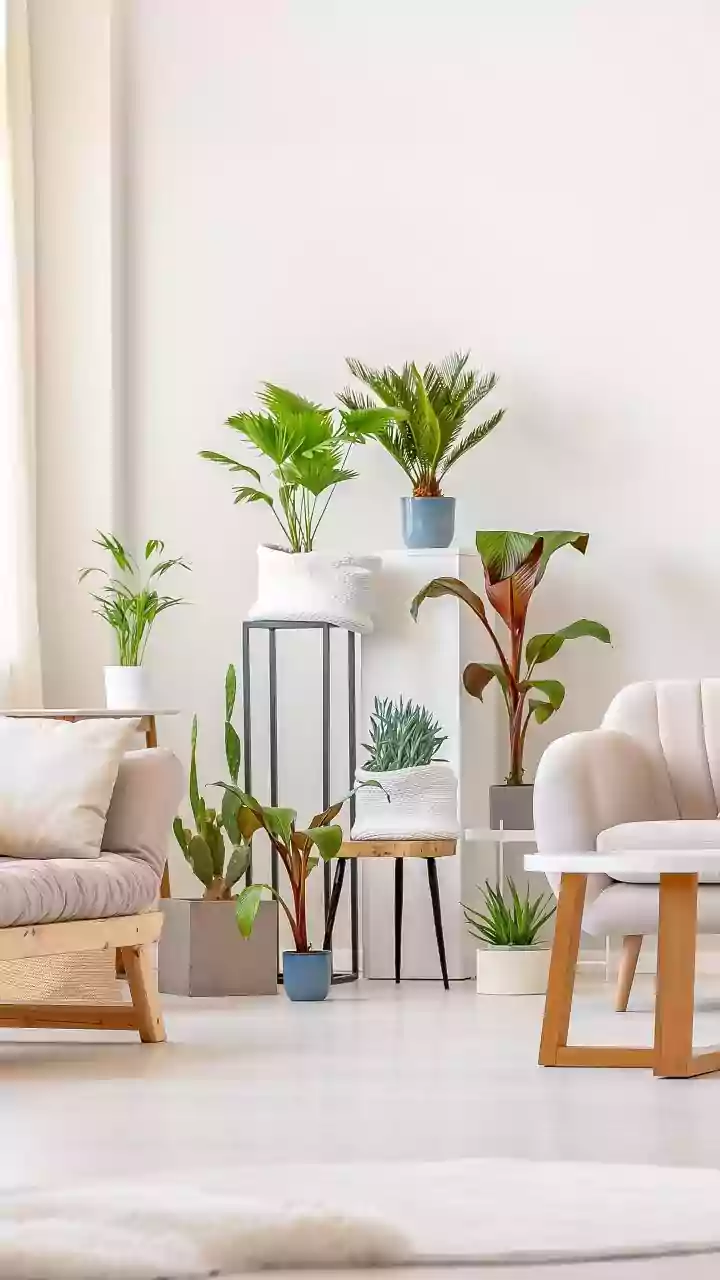
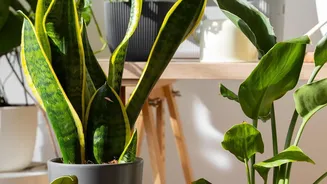
Despite the myth-busting, the plants highlighted by NASA remain incredibly popular, and for good reason. The Snake Plant (Sansevieria trifasciata), Spider Plant (Chlorophytum comosum), and Peace Lily (Spathiphyllum) are hardy, low-maintenance, and beautiful. They are excellent choices for beginner plant parents and thrive in typical indoor conditions. While they may not be the powerful air purifiers we once thought, their decorative value is undeniable. They bring texture, colour, and a touch of nature into our homes, which is a benefit in itself.
The Real Benefits Are Psychological
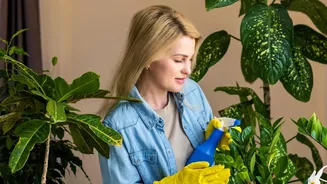
If houseplants aren't miracle air scrubbers, what is their true value? The answer lies more in mental and emotional wellness than in air quality. Numerous studies have shown that the presence of indoor plants can have a significant positive impact on our well-being. Interacting with plants, even just by having them in our workspace or home, has been found to reduce stress, anxiety, and blood pressure. Tending to plants can be a meditative and therapeutic activity, lowering levels of the stress hormone cortisol. The simple act of nurturing something green connects us to nature, boosts our mood, and enhances our overall sense of comfort at home.