





Rethink Your Walls and Floors
That beautiful fabric wall hanging or thick, plush carpet you’ve been eyeing? The monsoon is not their friend. In high humidity, they become sponges for moisture, creating a perfect breeding ground for mould and giving off a persistent damp smell. As
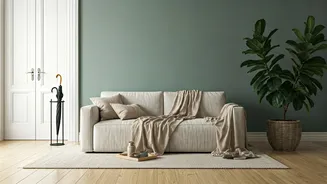
a renter, you can't repaint with anti-fungal paint, so you need smarter, temporary solutions. Instead of tapestries, opt for metal art, vinyl decals designed for humid spaces, or a gallery of small framed pictures. These don't trap moisture and can be easily wiped down. For floors, roll up and store your heavy wool or jute rugs. If you need a floor covering, choose quick-drying cotton dhurries or washable outdoor rugs that can handle a bit of dampness and are easy to clean.
Swap Heavy Fabrics for Lighter Layers
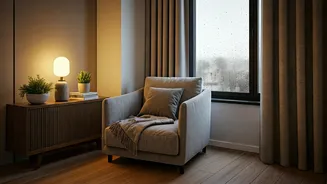
Heavy velvet or brocade curtains might look luxurious, but during the rains, they absorb ambient humidity and can take days to dry, leading to musty odours. The smarter move is to switch to lightweight, breathable fabrics. Sheer or lace curtains are an excellent choice as they allow light to filter into gloomy rooms and promote air circulation. Light cottons and linens are also great options for curtains, cushion covers, and bedspreads. These materials dry quickly and don't hold onto moisture, keeping your home feeling fresh and airy. It's an easy, budget-friendly swap that makes a significant difference in managing indoor humidity.
Be Realistic About Wooden Furniture
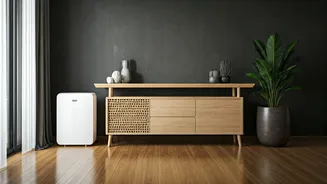
Wood is a porous material, which means it naturally absorbs moisture from the air. During the monsoon, when humidity levels can top 80-90%, this can cause wooden furniture to swell, warp, and even grow fungus. While you can't change your landlord's furniture, you can protect it. Keep all wooden items at least a few inches away from damp walls to ensure air can circulate behind them. Wiping them down with a dry cloth daily can also prevent moisture from settling. For your own pieces, consider investing in furniture made from metal, cane, or plastic, which are less susceptible to humidity. If you have wooden cupboards, placing silica gel packets or charcoal briquettes inside can absorb excess moisture and prevent that signature musty wardrobe smell.
Let There Be Light and Fragrance
Grey skies and closed windows can make any home feel dark and stuffy. Combat the gloom by maximizing light. Swap out old bulbs for brighter LEDs and use floor or table lamps to create warm, inviting pools of light. Mirrors are another great tool to reflect light and make a space feel brighter and larger. To tackle musty odours, avoid air fresheners that just mask the smell. Instead, focus on natural, moisture-absorbing solutions. Place bowls of rock salt or charcoal in corners to absorb dampness. Use essential oil diffusers with refreshing scents like citrus or lavender, or burn camphor, which is a traditional and effective way to cleanse the air and repel insects. These small touches make a huge difference in the overall atmosphere of your home.
Manage Indoor Plants Wisely
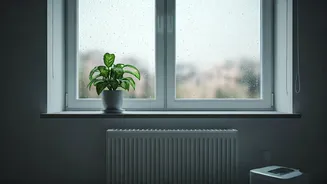
Bringing plants indoors is a fantastic way to add life and a pop of green to your home, especially when the outdoors are grey and wet. However, be mindful. High humidity means you need to water them less frequently. Overwatering can lead to root rot and attract pests. Ensure your pots have good drainage and don't let water stagnate in the trays underneath. Some plants, like snake plants and peace lilies, are known to absorb excess moisture from the air, making them a functional and beautiful addition to your monsoon decor. Just be sure to keep an eye on the soil and the leaves for any signs of mould or fungus.