






Understand Your Opponent: What is Mould?
Moulds are fungi that can be found almost everywhere, both indoors and outdoors. They reproduce through tiny spores that travel through the air. When these spores land on a damp spot, they can begin to grow. While some moulds are harmless, others can cause
health issues, especially for those with allergies, asthma, or a weakened immune system. Symptoms can range from sneezing and a runny nose to more severe respiratory problems. The key takeaway is that mould needs moisture to survive, making moisture control the single most important factor in prevention.
Control Your Indoor Climate
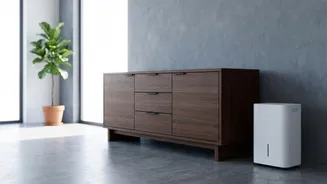
The most effective strategy against mould is to manage your home's humidity. Experts recommend keeping indoor relative humidity below 60%, ideally between 30% and 50%. You can measure this with an inexpensive device called a hygrometer or humidity meter. During particularly humid seasons, run a dehumidifier in moisture-prone areas like basements and laundry rooms. Your air conditioner also plays a crucial role in removing moisture from the air, so ensure it is well-maintained and its drain lines are clear.
Prioritise Ventilation and Airflow
Stagnant, moist air is an open invitation for mould. Improving air circulation helps dry out damp surfaces and prevents moisture buildup. Make it a habit to run exhaust fans in the bathroom while showering and in the kitchen while cooking to vent moisture outside. On less humid days, open windows and doors to air out the house. Using ceiling fans or portable fans can also significantly improve airflow, especially in closets or corners where air tends to get trapped.
Find and Eliminate Water Sources
Mould growth is often a symptom of a larger water problem. Regularly inspect your home for any signs of leaks. Check under sinks, around toilets and washing machines, and near windows and roofs. A small, persistent drip can create the perfect environment for a major mould problem. If you experience any water intrusion from a leak or minor flood, it is critical to dry the affected area and any wet items within 24 to 48 hours to prevent mould from taking hold. Painting over existing mould will not solve the issue; you must clean the mould and fix the water source first.
Smart Habits for Damp-Prone Areas
Kitchens and bathrooms are hotspots for moisture. After a shower, use a squeegee to wipe down the tiles and glass doors. Don't leave damp towels bunched up on the floor or in a hamper. In the kitchen, always use the exhaust hood when boiling water or cooking steamy dishes. Be mindful of indoor plants, as overwatering can create dampness in the soil and surrounding area. For wardrobes, which can trap humidity, consider leaving the doors ajar periodically or using moisture-absorbing products to keep the space dry.
Natural Solutions for Minor Mould
For small spots of surface mould, you don't always need to reach for harsh chemicals. Several common household items can be effective. Distilled white vinegar is a great natural disinfectant; you can spray it directly onto the mouldy surface, let it sit for an hour, and then wipe it clean. A paste made from baking soda and water can also be used to scrub away mould and absorb leftover moisture. Other options include solutions made with tea tree oil, which has natural antifungal properties, or hydrogen peroxide. Always wear gloves and ensure good ventilation when cleaning any amount of mould.