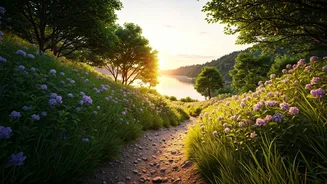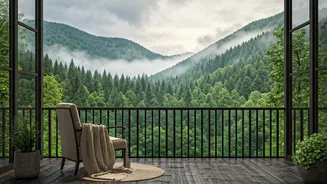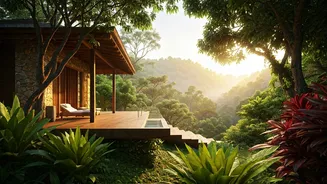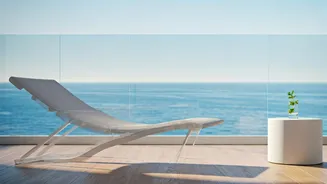





What is a 'Do-Less' Holiday?
Forget the 6 a.m. alarms for sunrise treks, the back-to-back museum tours, and the frantic dashes across town to make a dinner reservation. A 'do-less' holiday, or 'nothing-cation' as it's sometimes called, is the antithesis of the checklist vacation.
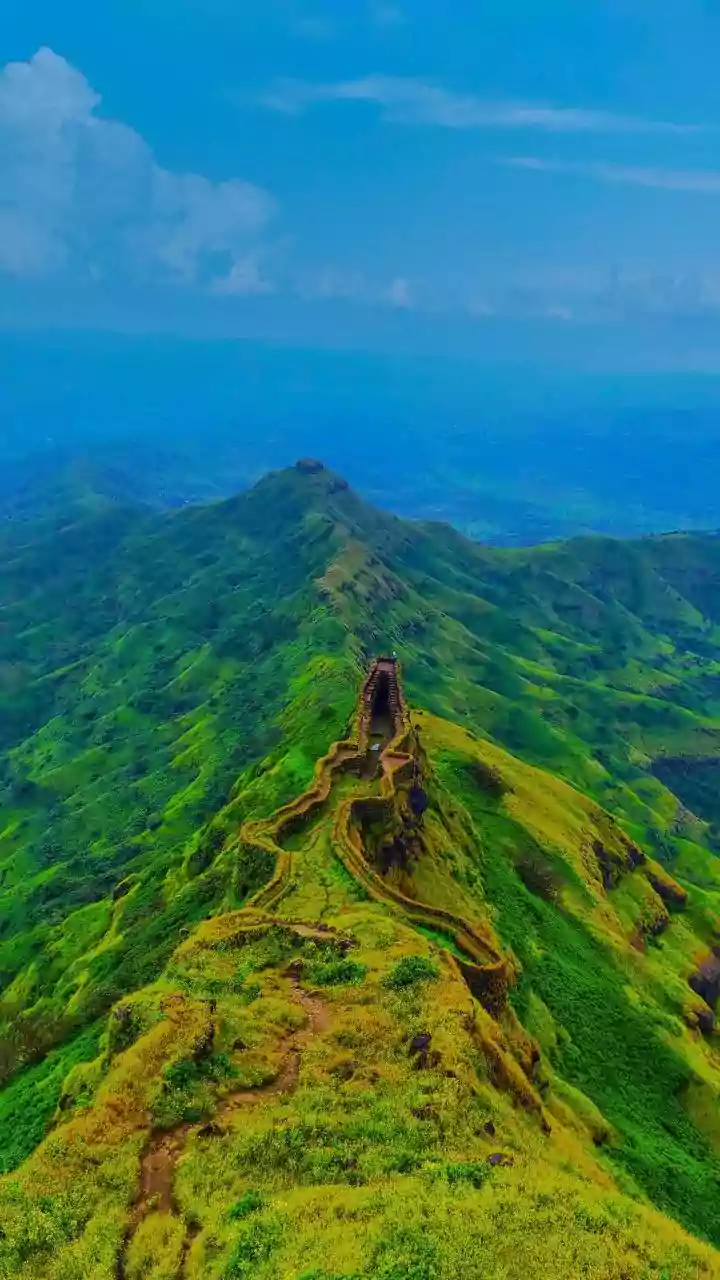
It’s not about being lazy; it's about being intentional with your inactivity. The core idea is to liberate your holiday from the tyranny of a schedule. Instead of a detailed plan, you have a single goal: to rest. This means choosing one location — a quiet beach shack in Goa, a serene homestay in the hills of Himachal, or a houseboat on Kerala’s backwaters — and simply existing there. The agenda is to have no agenda. You read a book, take a nap, watch the sunset, and eat when you're hungry. That’s it. It’s a deliberate choice to prioritise rejuvenation over accumulation of experiences.
The Rise of Relaxation as Rebellion
So why now? The trend is a direct reaction to the modern condition of perpetual burnout. For years, we’ve been conditioned by hustle culture, which dictates that even our leisure time must be productive and optimised. Post-pandemic, many have realised this is an unsustainable, and frankly, joyless way to live. We spent years optimising our work-from-home setups, and that mentality bled into our travel plans. Vacations became another project to manage, with pressure to capture the perfect, Instagram-worthy moments to prove we were 'living our best lives'. The 'do-less' holiday is a quiet rebellion against this pressure. It rejects the idea that a trip's success is measured by the number of sights seen or photos posted. In a world that demands constant engagement, choosing to disconnect and do nothing is a radical act of self-preservation.
The New Luxury: Unstructured Time
For decades, the travel 'flex' was about extravagance: first-class flights, five-star resorts, and Michelin-starred meals. While those things are still desirable, a new, more subtle form of luxury has emerged: unstructured time. In our hyper-connected lives, the ability to truly switch off is a rare and precious commodity. It's a privilege that requires not just money, but a certain mindset — the confidence to resist the fear of missing out (FOMO) and embrace the joy of missing out (JOMO). Announcing that you spent a week in the mountains and 'did nothing' is the new power move. It signals that you are so secure, so unbothered by the rat race, that you can afford to be still. It’s a flex of mental and emotional wealth, suggesting a life where rest isn’t a desperate recovery tool but a regular, celebrated practice.
How to Master the Art of Nothing
Embracing a 'do-less' holiday can be surprisingly difficult for those of us wired for constant activity. The key is to set yourself up for success. First, pick a single destination and stay there. Resist the urge to plan a multi-city tour. The goal is to unpack once, both literally and mentally. Second, give yourself permission to be 'bored'. Boredom is often the precursor to creativity and deep thought. Put your phone away for long stretches. You don’t need to document every meal or sunset. Let the memories live in your mind, not just on your camera roll. Finally, listen to your body. Sleep in without an alarm. Eat when you’re hungry, not when the clock says it’s lunchtime. Take a walk with no destination in mind. It's about shedding the external pressures and tuning into your own internal rhythm.