





What is Citizen Science?
At its core, citizen science is scientific research conducted, in whole or in part, by amateur or nonprofessional scientists. It's a partnership between the public and professional scientists where volunteers contribute to data collection, analysis, and discovery.
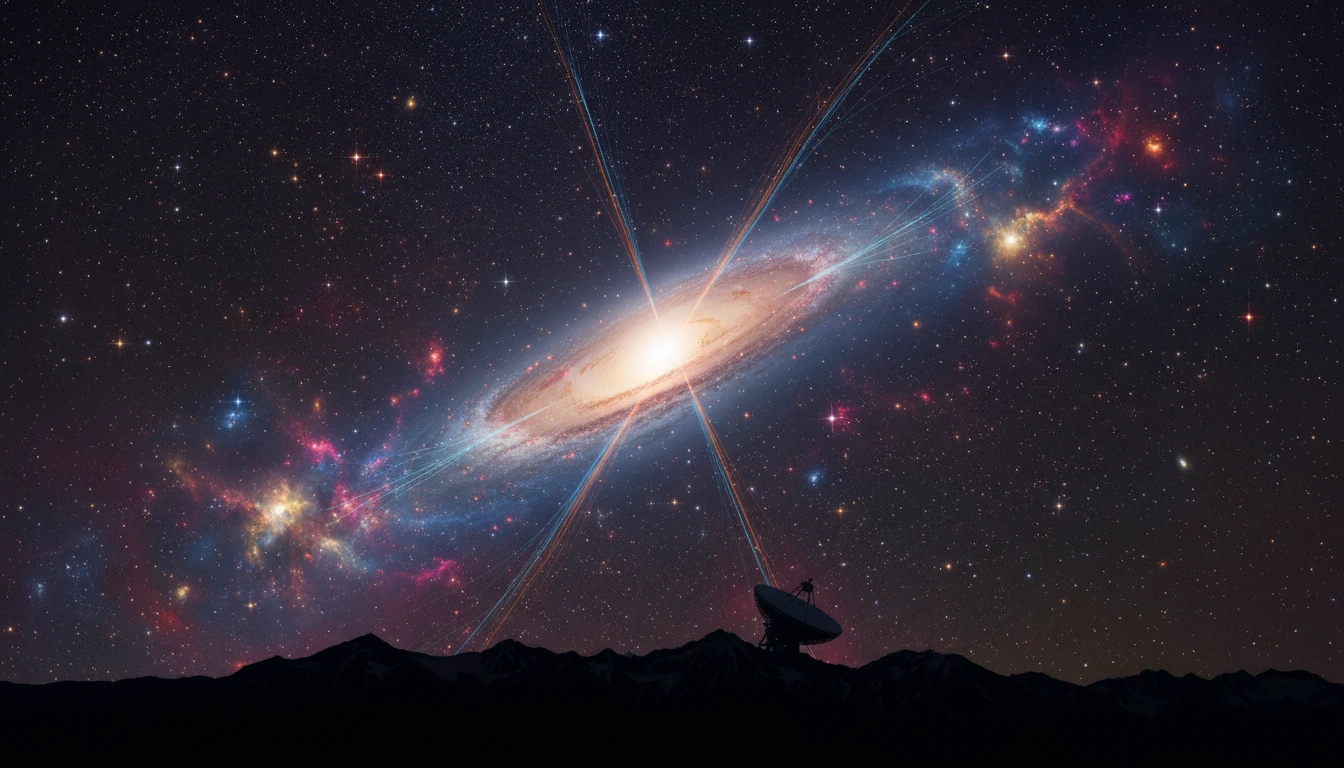
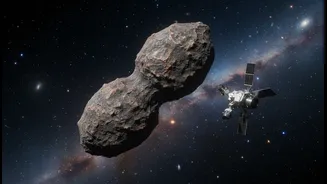
In astronomy, this can mean anything from classifying galaxies and tracking asteroids to searching for signals from new celestial objects. With modern telescopes generating enormous amounts of data, professional researchers simply cannot analyse it all. Citizen science provides a powerful solution, leveraging the collective power of curious minds to sift through data, spot patterns, and make real contributions to scientific knowledge.
The Sikkim Initiative in Focus
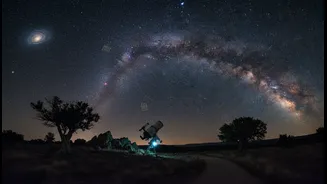
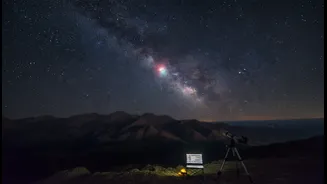
While there isn't one single programme named 'Sikkim Citizen Science Astronomy', the state is a prime example of a region where the principles of citizen science are making a significant impact. Initiatives are often run through collaborations between the Sikkim State Council of Science & Technology, local schools, and national organisations. These programmes aim to popularise science and foster a scientific temperament among the public, especially students. Participants, often students and local enthusiasts, are trained to use telescopes, analyse data, and participate in observation events. For example, workshops have been organised to observe specific celestial events like comets, supported by national bodies to provide expertise and equipment. This approach bypasses the need for large, expensive infrastructure in every location, instead focusing on skill-building and using accessible tools to engage with the cosmos.
Bridging the Great Divide
Astronomy education in India faces a significant challenge: a gap between enthusiasm and access. A 2026 nationwide survey found that while 86% of students enjoy astronomy, only 26% had ever used a telescope, and just 27% had visited a planetarium. Access is particularly limited in rural and resource-poor schools, creating an urban-centric, elitist bubble around the field. Initiatives in regions like Sikkim directly challenge this status quo. They demonstrate that meaningful scientific engagement does not require a metropolitan post code or admission to a top-tier institution. By bringing the tools and training to the students, wherever they are, these programmes democratise science. They provide hands-on experience that builds conceptual understanding far more effectively than textbooks alone, addressing documented weaknesses in students' grasp of basic astronomical concepts.
More Than Just Stargazing
The impact of citizen science extends far beyond astronomical discoveries. For participants, it’s a powerful form of experiential learning that fosters critical thinking, data analysis skills, and a deeper appreciation for the scientific method. For communities, especially in remote areas, it creates new educational and engagement opportunities, fostering a sense of connection to the global scientific community. Recent examples from Indian citizen science networks, like RAD@home, show the incredible potential. A volunteer taking an online class helped discover a unique 'Bow-and-Arrow' shaped galaxy that automated systems had missed, highlighting the irreplaceable value of the human eye. These programmes prove that anyone, from a student in a small town to a retiree, can play a role in major scientific discoveries.
A Blueprint for India's Future
The citizen science model being nurtured in places like Sikkim offers a powerful and scalable blueprint for the rest of India. It addresses the core challenges of infrastructure and access that have long hampered science education outside major urban centres. As India's space sector continues its ambitious growth, the need to cultivate a widespread scientific temper and a pipeline of future scientists has never been more urgent. Citizen science provides a practical, cost-effective, and highly engaging way to achieve this. It transforms citizens from passive observers into active participants in the nation's scientific journey, ensuring that the next great discovery could come from a laptop in the Himalayas as easily as from a major observatory.