
The Challenge: Time, Tradition, and Health
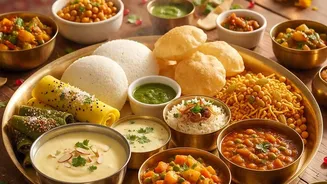
For generations, the heart of Indian festivals has been the kitchen, where families gather to prepare an array of sweets and savouries. These recipes, passed down through generations, are steeped in love and tradition. However, with the rise of dual-income
households and demanding schedules, spending hours over a hot stove is a luxury many can no longer afford. There's also a growing consciousness around health. The deep-fried nature of classic snacks like samosas, kachoris, and chaklis, while delicious, has many families seeking lighter alternatives without compromising on the authentic taste that defines festive indulgence. This creates a modern dilemma: how to honour culinary heritage without sacrificing time or well-being.
The Air-Fryer: A Guilt-Free Game-Changer
Enter the air fryer. Once a niche appliance, it has rapidly moved into the mainstream of Indian kitchens, with sales surging in recent years. Its popularity stems from a simple, powerful promise: the ability to achieve a crispy, golden-brown texture with a fraction of the oil. For festive snacking, this is revolutionary. Samosas emerge with a satisfying crunch, aloo tikkis get a perfect crust, and even mathri can be made with minimal grease. The technology works by circulating superheated air, cooking food evenly and efficiently. This not only drastically cuts down on fat and calories but also reduces cooking time and mess, freeing up precious hours during the busiest time of the year. Families can now enjoy their favourite snacks with less guilt and significantly less cleanup.
Meal-Prep: The Secret to a Stress-Free Festival
The other half of this modern solution is strategic planning. Meal preparation, once associated with weekly work lunches, is now a cornerstone of festive cooking. Instead of a marathon cooking session on the day of the festival, families are breaking down the work into manageable steps. This might involve preparing and freezing samosa fillings, kneading and refrigerating dough for mathri or chakli, or mixing spice blends in advance. Chutneys can be made and stored, and batters for items like dhokla can be prepared ahead of time. This 'divide and conquer' approach prevents the kitchen from becoming a chaotic, stressful environment. By the time guests arrive, all that's left is the final, quick step of cooking, which is often as simple as placing the pre-prepared items into the air fryer for a few minutes.
Adapting Tradition, Not Replacing It
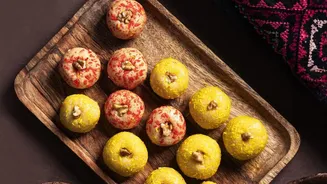
This shift isn't about abandoning tradition but about smartly adapting it to fit contemporary life. The flavours remain authentic, and the joy of sharing homemade food is preserved. Many classic recipes are being ingeniously tweaked for this new style of cooking. Baked chakli using millet flour, for instance, offers a healthier, fibrous alternative to its deep-fried counterpart. Even sweets like gujiya and shankarpali are being successfully made in air fryers, retaining their beloved textures without the need for deep-frying. It’s a testament to the innovative spirit of the Indian kitchen, where the goal is to keep the soul of the festival intact. The focus remains on togetherness and celebration, ensuring that time is spent with loved ones, not just slaving over a stove.