





The Science of Staying Cool
Dressing for heat isn't just about wearing less; it's about wearing smart. The key to comfort in hot and humid weather comes down to two main fabric properties: breathability and moisture management. Breathability refers to how well air can pass through
the fabric, allowing heat to escape your body. Moisture management, or wicking, is the fabric's ability to pull sweat away from your skin to its outer surface, where it can evaporate quickly. Fabrics that trap heat and moisture, like polyester or heavy, dense weaves, create a personal greenhouse effect, leaving you feeling sticky and overheated. Natural and certain modern sustainable fibres, however, are often structured to excel at both these tasks.
Linen: The Undisputed Champion of Heat
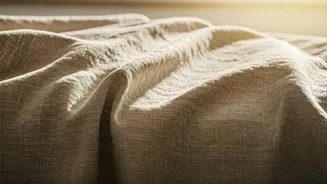
When it comes to summer fabrics, linen is often called the king, and for good reason. Made from the flax plant, its fibres create a fabric with a naturally open weave, providing exceptional breathability. This structure allows air to circulate freely, keeping you cool. Linen is also highly absorbent and dries incredibly fast, wicking moisture away from the skin before you even feel damp. It can absorb up to 20% of its weight in moisture without feeling wet. While it's known for its tendency to wrinkle, this is part of its relaxed charm. As an eco-friendly choice, flax requires significantly less water and pesticides to grow than conventional cotton.
Organic Cotton: The Softer, Breathable Classic
Cotton is a staple in India, but not all cotton is created equal. Organic cotton is grown without the use of synthetic pesticides and chemicals, which results in fibres that are often softer and more breathable than their conventional counterparts. The absence of harsh chemical processing helps maintain the natural integrity of the fibres, allowing for better airflow. Organic cotton is highly absorbent, which works well in dry heat, but it can be slow to dry in very humid conditions. However, for everyday wear, a lightweight organic cotton or mulmul (muslin) garment is a reliable, skin-friendly choice that keeps harsh chemicals away from your skin when you're sweating.
Hemp: The Durable, Airy Alternative
Hemp is rapidly gaining recognition as a super-fabric. Derived from the Cannabis sativa plant, its fibres are known for being incredibly durable, yet they create a fabric that is surprisingly lightweight and breathable. Like linen, hemp gets softer with each wash, becoming more comfortable over time. It has excellent moisture-wicking properties and is naturally resistant to UV rays, offering a little extra protection from the sun. From a sustainability perspective, hemp is a star performer; it grows quickly, requires little water, and enriches the soil it grows in, making it a truly regenerative crop.
Modern Eco-Fibres: Tencel and Bamboo
Beyond traditional choices, a new generation of eco-friendly fabrics offers fantastic performance in the heat. Tencel (a brand of Lyocell) and Modal are made from sustainably sourced wood pulp, like eucalyptus and beech trees, using a closed-loop process that recycles water and solvents. These fabrics are celebrated for their silky softness and exceptional moisture management. Tencel, in particular, can absorb 50% more moisture than cotton and releases it quickly, making it feel cool and dry against the skin, perfect for humid conditions. Bamboo fabric is another great option, known for its breathability, softness, and natural antibacterial properties, which helps reduce odour.
Beyond Fabric: Weave and Fit Matter Too
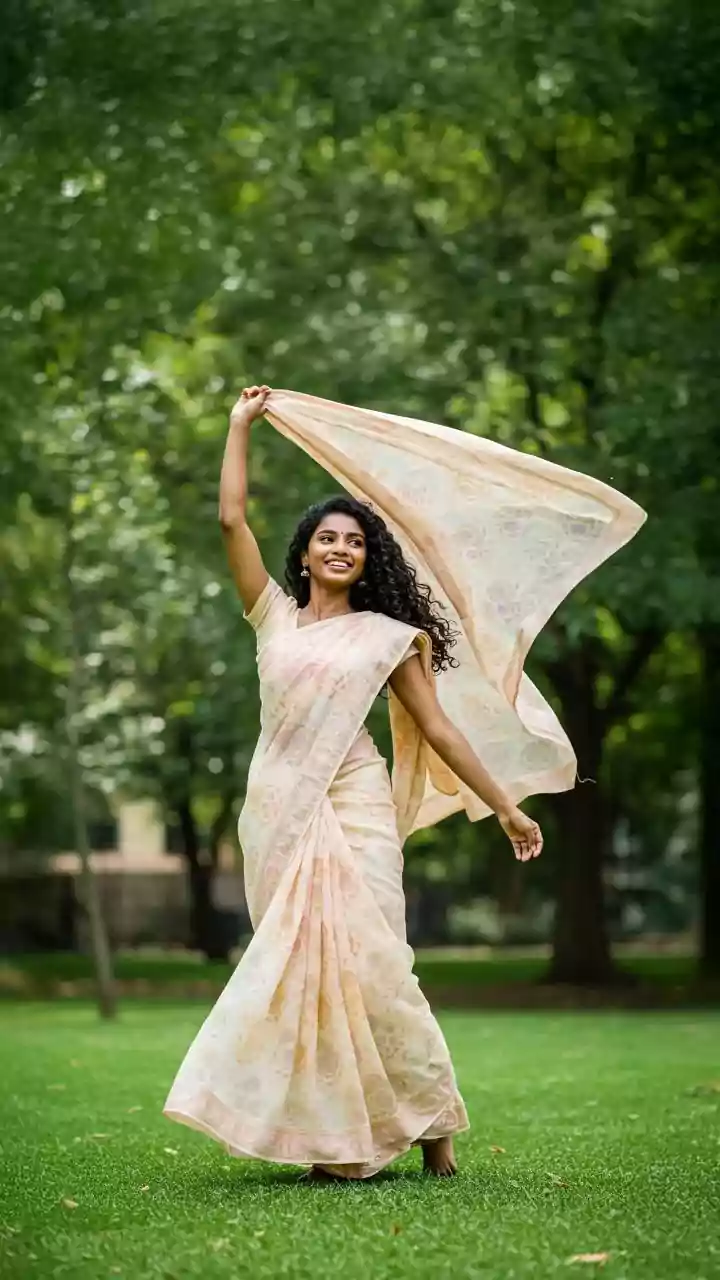
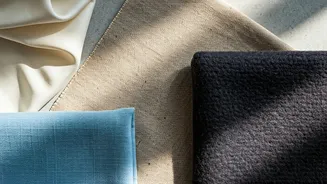
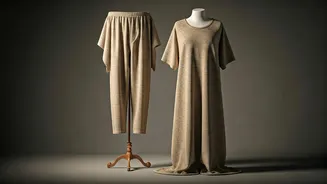
Choosing the right material is half the battle; the other half is the garment's construction. The weave of a fabric is just as important as the fibre itself. A looser, more open weave like a gauze or a seersucker will always be more breathable than a tight, dense weave. Similarly, the fit of your clothes makes a huge difference. Looser, flowing silhouettes allow for better air circulation around your body, helping you stay cool. Tight-fitting clothes, even if made from a breathable fabric, can restrict airflow and trap heat. When fighting the Indian heat, a relaxed-fit linen shirt will always beat a skin-tight cotton one.