

The Modern Allure of Ancient Grains
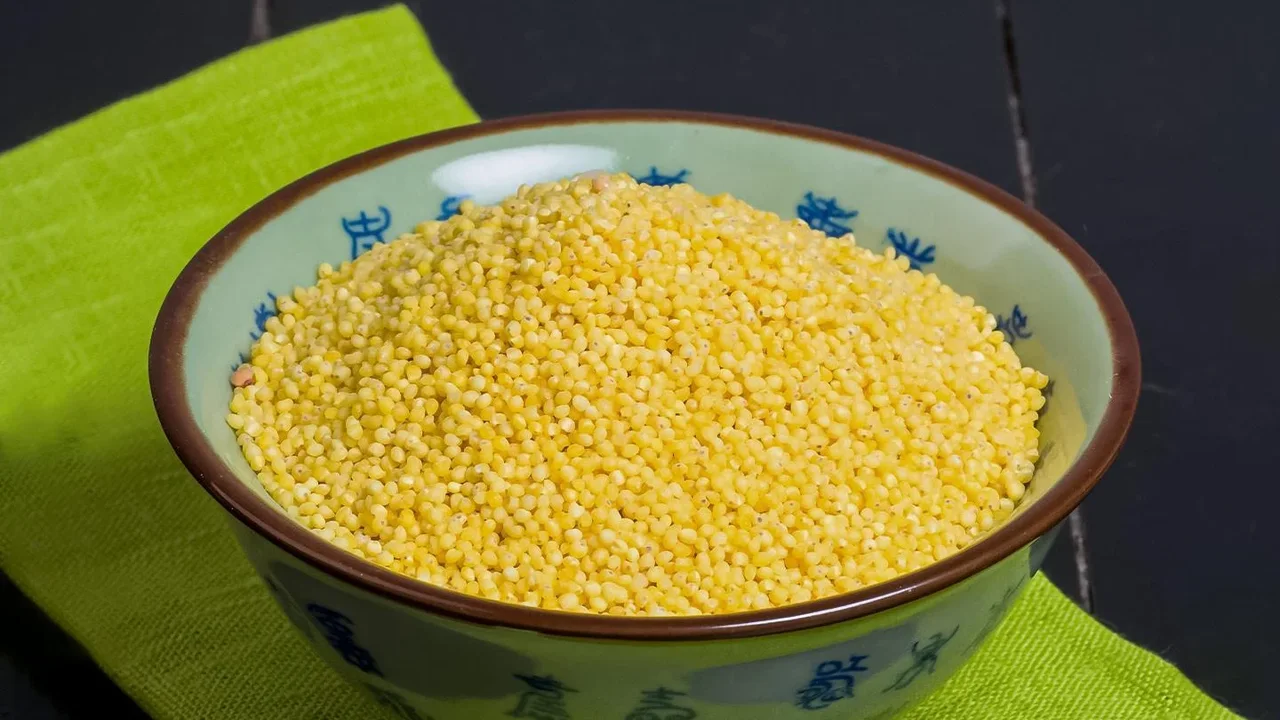
For centuries, millets like jowar, bajra, and ragi were staples across India before refined wheat and rice became dominant. Today, a growing awareness around health and sustainability is bringing these powerful grains back to the dining table. Naturally
gluten-free and requiring less water to cultivate, millets are celebrated not just for their nutritional profile but also for being environmentally friendly. They are packed with protein, essential minerals like iron and magnesium, and most notably, high levels of dietary fiber, which aids digestion, helps regulate blood sugar, and keeps you feeling full for longer.
Jowar (Sorghum): The Versatile All-Rounder
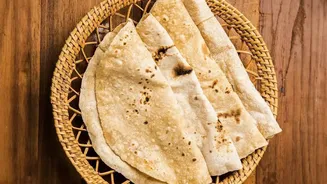
Jowar, or sorghum, is a fantastic starting point for anyone new to millets. With a mild, slightly nutty flavour, it's incredibly versatile. It is particularly rich in dietary fiber and protein. Due to its low glycemic index, jowar is a great choice for those looking to manage blood sugar levels. Traditionally used to make soft bhakris or rotis, especially in Maharashtra and Karnataka, jowar flour can also be blended into recipes for pancakes and other baked goods.
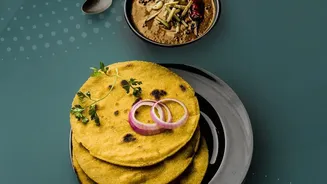
Bajra (Pearl Millet): The Warming Winter Staple
Bajra, or pearl millet, has a distinct earthy flavour and a dense, satisfying texture. It is traditionally consumed during colder months for its warming properties. Bajra is a nutritional powerhouse, rich in iron, magnesium, and protein. Its high fiber content promotes a feeling of fullness, making it a supportive choice for weight management. While famous as the star of Rajasthani and Gujarati rotlas, its flour also works well when mixed with wheat for heartier parathas.
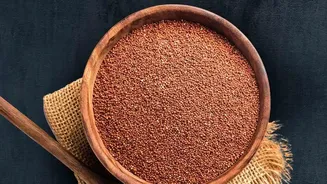
Ragi (Finger Millet): The Calcium Powerhouse
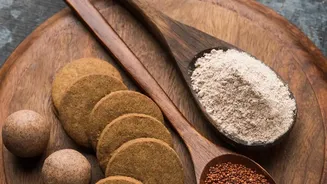
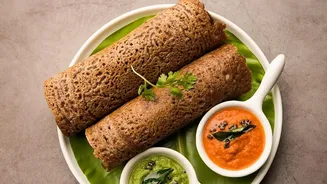
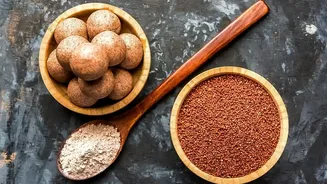
Easily identifiable by its deep, reddish-brown colour, ragi is most famous for its exceptional calcium content, making it excellent for bone health in children and adults. It also provides a good amount of iron and fiber. Ragi has a strong, nutty flavour that pairs well with both sweet and savoury preparations. It is incredibly versatile and used across India to make everything from rotis and dosas to porridge and healthy cakes.
Tips for Cooking with Millet Flours
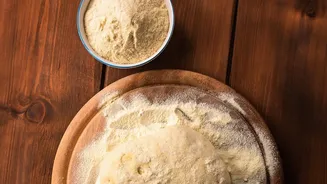
Working with millet flours can be different from using wheat flour because they are gluten-free, which means the dough lacks elasticity. For softer rotis, always use warm or hot water to knead the dough, as this helps to make it more pliable. If you're just starting, don't hesitate to blend millet flour with your regular whole wheat atta. Begin with a 25% millet flour ratio and gradually increase it as you get accustomed to the taste and texture. For baking, millet flours can create a denser crumb, so it's a good idea to mix them with other gluten-free flours like almond or oat flour and sometimes add binders like eggs, yogurt, or flaxseed to improve structure.