




From Functional to Fashionable
For decades, dietary fibre wore a decidedly unglamorous halo. It was the stuff of whole wheat rotis, bland bowls of dal, and the dreaded isabgol—functional, necessary, but rarely exciting. Its primary job, as we were told, was to keep our digestive systems
‘regular’. But that perception is changing, and fast. The new narrative around fibre is not just about avoiding constipation; it's about holistic wellness, from managing weight and blood sugar to boosting mental health. The wellness world has finally caught on to what nutritionists have known for years: a high-fibre diet is the foundation of a healthy body. This shift is turning fibre from a dull necessity into a desirable, even fashionable, lifestyle choice.
What's Driving the Change?
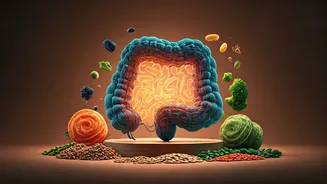
Several forces are converging to give fibre its much-needed makeover. First, there's the science of the gut microbiome. We now understand that the trillions of bacteria in our gut—our ‘second brain’—play a crucial role in everything from immunity to mood. And what do these good bacteria love to eat? Fibre. Specifically, prebiotic fibres act as food for our internal ecosystem, helping it thrive. Secondly, consumer awareness is at an all-time high. Health-conscious Indians are actively seeking foods that do more than just fill their stomachs; they want functional benefits. Finally, regulatory bodies like the Food Safety and Standards Authority of India (FSSAI) are encouraging this shift through initiatives like the ‘Eat Right India’ movement, which promotes healthier eating habits and pushes manufacturers to fortify products and make clear, honest health claims. This creates a market where food companies are incentivised to innovate.
The New Look of Fibre
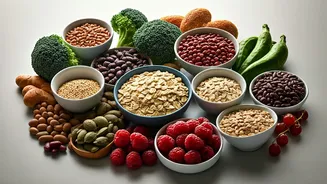
So, what does this 'glow-up' look like on the supermarket shelf? It’s about seamlessly integrating fibre into foods we already love, and making it delicious. Think beyond just whole grains. We're seeing the rise of high-fibre snacks, like baked millet crisps and roasted makhana fortified with fibre. Breakfast cereals are being supercharged with oats, bran, and seeds. Even staples like pasta and noodles are getting an upgrade, with versions made from lentils, chickpeas, or whole wheat that pack a significant fibre punch. You'll also find ready-to-drink smoothies and yogurts infused with prebiotics like chicory root fibre or Fructo-oligosaccharides (FOS). These products promise to feed your gut bacteria on the go, making healthy eating more convenient than ever. It's about making fibre invisible in texture but prominent in nutritional value.
Decoding the New Labels
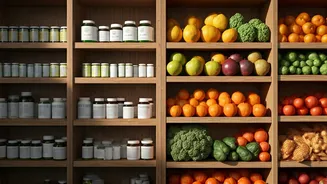
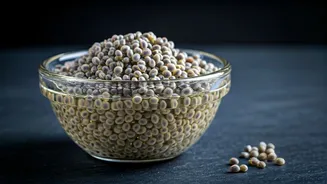
With this boom comes a new vocabulary for shoppers to learn. As you navigate the grocery aisles, you’ll see more products proudly declaring themselves ‘High in Fibre’ or ‘Source of Fibre’. According to FSSAI guidelines, for a product to claim it is a ‘source’ of fibre, it must contain at least 3 grams of fibre per 100 grams. To be labelled ‘high fibre’, it needs to have at least 6 grams per 100 grams. Look for ingredients like psyllium husk, oat fibre, inulin, and beta-glucan on the ingredient list. These are powerful sources of soluble and insoluble fibre. The key is to look past the flashy marketing on the front of the pack and scrutinise the nutrition information and ingredient list on the back. A true high-fibre hero will have fibre-rich ingredients listed near the top.
Making the Glow-Up Work for You
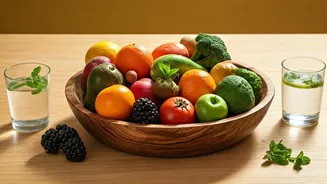
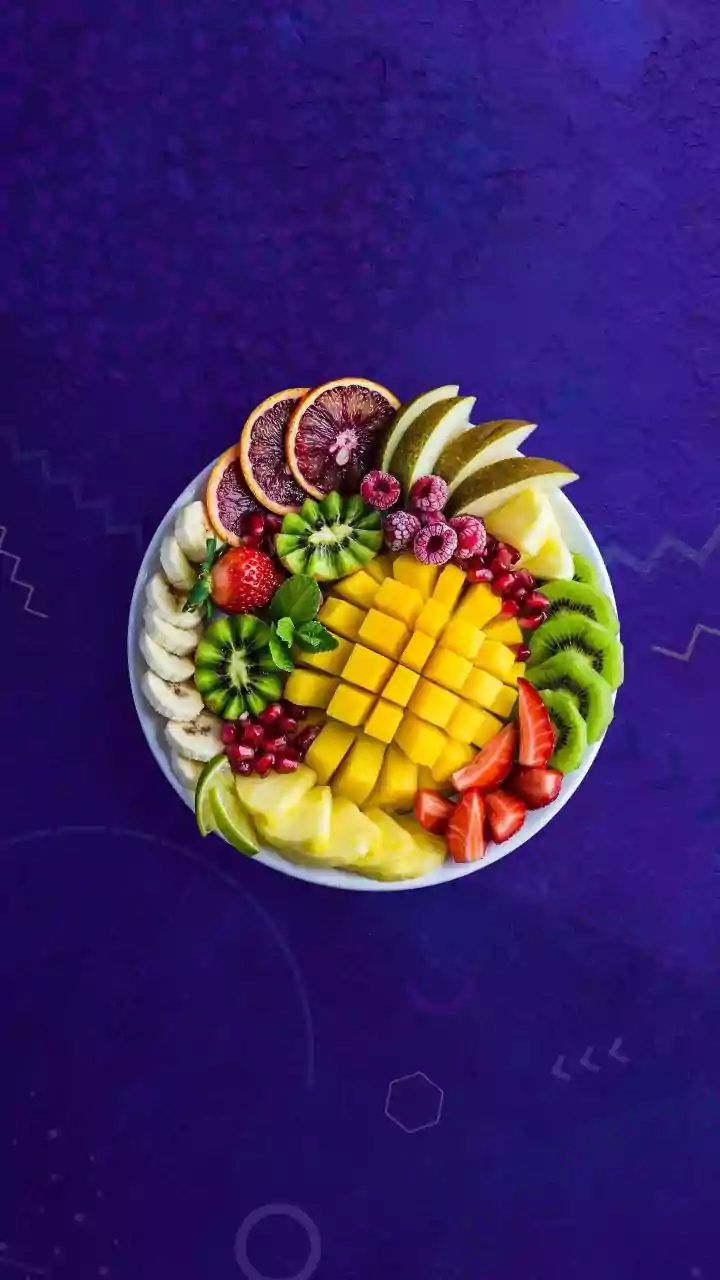
The best part about this trend is that it makes healthy eating easier and more enjoyable. You don't have to force down a plate of boiled vegetables to meet your fibre goals. You can start small. Swap your regular white bread for a multigrain or whole wheat sourdough loaf. Add a handful of seeds—chia, flax, or sunflower—to your morning dahi or oatmeal. When you crave a snack, reach for a fruit or a handful of nuts instead of a biscuit. By 2026, the market will be flooded with even more innovative options, but the core principle remains the same. The goal is to build a diet rich in a variety of plant-based foods. This trend isn't about a single magic product; it’s about a lifestyle that prioritises feeding our bodies and our gut microbes well.