




Understanding the Latest Price Pressures
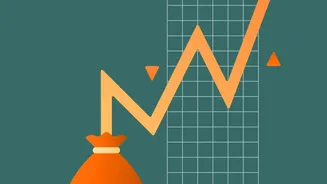
The numbers are in, and they confirm what many have been feeling at the checkout counter. According to the latest data from the Ministry of Statistics and Programme Implementation released in October 2026, retail inflation has been climbing. For September
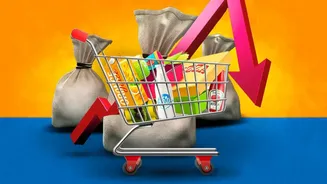
2026, the consumer price index (CPI) for urban India stood at 4.88%, part of a broader national trend. A significant driver of this is food inflation, which was recorded at 7.18% for urban areas. Essentials like onions, vegetables, and pulses have seen sharp price increases, directly impacting the daily food budget. Additionally, elevated fuel prices mean that transportation costs are also eating up a larger share of household income. This combination of rising food and fuel costs creates a challenging environment for urban families trying to stick to a budget.
The Supermarket Shuffle: Smart Grocery Strategies
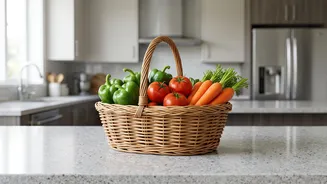
With food prices climbing, grocery shopping has become a strategic exercise. Many urban households are moving away from premium brands and imported goods, opting instead for local produce and store-brand products, which offer better value. The tactic of buying non-perishable staples like grains and lentils in bulk is also gaining popularity as a way to lock in lower prices. Furthermore, there is a growing emphasis on meal planning and reducing food waste. By planning meals for the week, families can buy exactly what they need, avoiding impulse purchases and ensuring that fresh produce gets used before it spoils. This conscious approach to consumption helps stretch the grocery budget without compromising on nutrition.
Rethinking Commutes and Discretionary Spending
The steady rise in fuel costs is forcing a rethink of daily travel. More city dwellers are leaving their personal vehicles at home, turning to public transport like metros and buses for their daily commute. Carpooling with colleagues and neighbours is also becoming a more common practice to split the cost of petrol or diesel. For non-essential spending, a clear trend of 'calibrated consumption' is emerging. Households are becoming more intentional, distinguishing between 'wants' and 'needs'. This often means cutting back on frequent dining out, streaming subscriptions, and impulse shopping. A recent survey conducted ahead of the 2026 festive season found that many urban consumers were planning to be more cautious with their spending, with some intending to avoid non-essential purchases altogether.
Protecting Savings and Finding New Income
Inflation doesn't just increase expenses; it also erodes the value of savings. In response, financially savvy households are looking for ways to make their money work harder. This includes moving savings from low-interest accounts to financial instruments that can offer returns that outpace inflation. However, with borrowing costs also on the rise after recent interest rate hikes, taking on new debt is becoming less attractive. Interestingly, a survey found that many households planned to dip into their savings to fund their 2026 festive season spending, highlighting a reliance on past savings rather than current income. To counter these pressures, some individuals are exploring 'side hustles' or freelance work to generate additional income streams, providing a much-needed buffer for their budgets.