





Why the Humble Jade Plant?
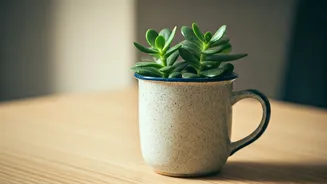
The jade plant, or *Crassula ovata*, is the superstar of this green trend for a reason. Often called the 'money plant' or 'friendship plant', it's famously resilient and ridiculously easy to propagate. Unlike fussier houseplants that demand constant attention,
the jade is a succulent that thrives on a bit of neglect. It stores water in its fleshy, oval-shaped leaves, making it forgiving if you forget to water it. Its hardy nature means a single leaf or a small stem cutting has a very high chance of successfully growing into a whole new plant, making it the perfect candidate for this low-waste project.
Gather Your Eco-Friendly Toolkit
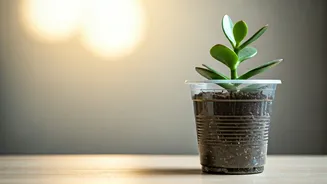
You don't need a trip to a fancy garden centre. The beauty of this trend is in its simplicity and resourcefulness. Before you start, gather these items: * **A Healthy Parent Jade Plant:** You can ask a friend for a cutting or use your own. * **A Clean, Sharp Knife or Scissors:** For taking the cutting. * **Recycled Cups:** Old plastic dahi cups, coffee cups, or small food containers work perfectly. Just make sure they are clean. * **Something for Drainage:** A screwdriver, nail, or scissor tip to poke holes in the bottom of your cup. * **Potting Mix:** A well-draining mix is best. You can buy succulent/cacti soil or mix regular potting soil with sand or perlite to improve drainage.
Step 1: Take Your Cutting
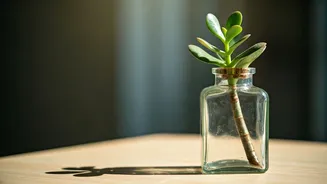
This is where the magic begins. You can propagate a jade from a single leaf or a stem. For beginners, a stem cutting is often quicker and more robust. Look for a healthy, mature branch on the parent plant. Using your sharp knife or scissors, cut a section that is 3-4 inches long and has at least two pairs of leaves. You can also gently twist a healthy leaf off the main stem. The key is to make a clean break to minimise damage to both the parent plant and the cutting. Don't worry, taking a cutting is like giving the parent plant a haircut—it will soon sprout new growth.
Step 2: Let It Callous (The Crucial Wait)
This is the most important—and often skipped—step. Do not immediately put your fresh cutting in soil or water. You must let the cut end dry out and form a 'scab' or callus. This prevents the cutting from rotting when you plant it. Simply place your stem or leaf cuttings on a dry paper towel in a spot away from direct sunlight. Leave them there for a few days up to a week. You'll know it's ready when the cut end looks dry, sealed, and no longer fresh or moist.
Step 3: Potting in Your Recycled Cup
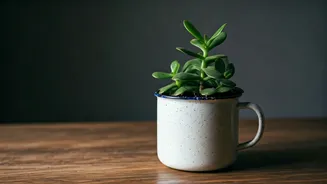
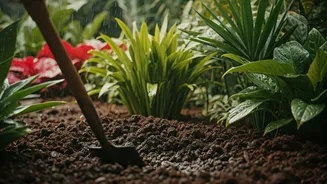
Once your cutting has calloused over, it's time to plant. First, prepare your recycled cup by poking three to four small drainage holes in the bottom. This is non-negotiable, as jade plants hate sitting in water. Fill the cup with your well-draining soil mix. For a stem cutting, simply insert the calloused end about an inch deep into the soil, just enough for it to stand upright. If you're using a leaf, place it on top of the soil or nestle the cut end slightly into the soil. Don't pack the soil down too tightly.
Step 4: Patience, Light, and Water
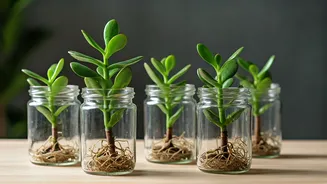
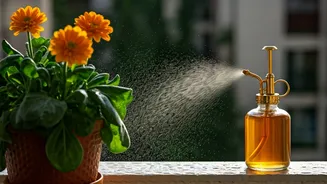
Place your newly potted cutting in a spot that gets plenty of bright, indirect sunlight. A windowsill that doesn't get harsh afternoon sun is ideal. Here's the hardest part: do not water it immediately. Wait about a week before giving it its first light watering. This encourages the cutting to send out roots in search of moisture. After that, water only when the soil is completely dry to the touch—typically every 2-3 weeks. Within a few weeks to a month, you'll see tiny new leaves or roots forming, a sign that your propagation was a success!