




Start With a Clean Slate
Before you buy a single new container, the most crucial first step is to declutter. Empty your cabinets and shelves completely. Take stock of what you have, discarding expired spices and duplicate utensils. This is not about creating a minimalist kitchen,
but an intentional one. A typical Indian kitchen is full of life and ingredients; the goal is to ensure everything you keep has a purpose and a proper home. Once you have a clear view of your inventory and your space, you can make smarter decisions about the storage you actually need, rather than just adding more clutter.
Choose Your Containers Wisely
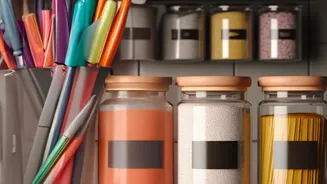
The right containers are the foundation of an organised kitchen. For an Indian kitchen, this means accommodating everything from bulk bags of atta and rice to a dozen different spices. Opt for square or rectangular stackable containers over round ones, as they eliminate wasted space. Clear containers are excellent for dals, grains, and snacks, allowing you to see what you have at a glance and know when to restock. For spices, airtight glass or stainless steel jars are ideal for preserving freshness and flavour by protecting them from air and light. A traditional steel 'masala dabba' remains one of the most efficient tools for daily-use spices, keeping them accessible right by the stove.
Rethink Your Shelving
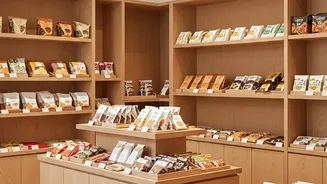
Accessible shelves are about making your kitchen work for you. If you have deep cabinets where items get lost, consider installing pull-out shelves or deep drawers. These bring the back of the cabinet to you, making everything easy to see and reach. Open floating shelves can make a small kitchen feel airier and are perfect for frequently used items like mugs, glasses, or everyday dinnerware. Don't forget under-shelf baskets; these hooks onto existing shelves, instantly creating a second layer of storage for smaller items like napkins, foils, or packets without any drilling required.
Zone Your Kitchen for Flow
Organising by activity, not just by item, can dramatically improve your cooking efficiency. This 'zoning' method groups items together based on their function. For example, create a 'chai-coffee' station with your tea, coffee, sugar, mugs, and strainer all in one place. Establish a 'tadka zone' near the stove with oil, ghee, and your daily masala dabba. A 'prep zone' could have your cutting boards, knives, and mixing bowls. This approach is based on the 'kitchen work triangle' principle, which aims to minimise the steps you take between your sink, stove, and refrigerator. By creating logical zones, you create a natural, intuitive workflow that makes cooking smoother and faster.
Go Vertical, Not Outward
In a compact kitchen, floor and counter space are prime real estate. The most effective way to expand your storage is to go vertical. Utilise wall space with mounted racks for hanging ladles and pans, or magnetic strips for knives. Tiered racks for counters or inside cabinets can double or triple your storage footprint for spices, jars, or cans. Even narrow, awkward gaps can become useful; slim pull-out pantries on wheels can slide in next to the refrigerator, creating a perfect spot for bottles, jars, and other pantry staples. These solutions draw the eye upward, making the kitchen feel more spacious while keeping essentials off your valuable work surfaces.
Master Your Masala Management
Indian cooking involves a symphony of spices, which can easily become a source of clutter. Beyond the daily-use masala dabba, a dedicated system is essential. If you have a spare drawer, use inserts or small containers to lay out your spice jars horizontally with labels facing up. For cabinet storage, a tiered or rotating spice rack ensures no jar gets lost at the back. It's also wise to group spices by usage—everyday spices in the most accessible spot, with those for special dishes stored separately. For bulk spices, use airtight containers and keep them in a cool, dark pantry to maintain maximum freshness, refilling your smaller daily jars as needed.