


With the 2026 midterm elections redefining the political landscape in Washington, attention is rapidly shifting to the global stage. The results create a new dynamic for US foreign policy, raising complex questions about Donald Trump's influence.
The Diplomat's Playbook
Traditionally,
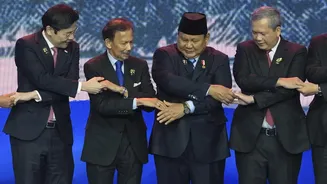
international conflict negotiation is a marathon, not a sprint. It relies on a painstaking, institutional process built on trust, precedent, and shared rules. Diplomats engage in back-channel talks and working groups for months or even years before leaders meet to sign an agreement. This method is designed to be predictable and durable, ensuring that any deal can survive changes in leadership because it is embedded in the structures of government, not just the will of one person. This 'rules-based' approach, while often slow, aims for stability and creates a shared understanding of commitments among allies and adversaries alike. It's a world of carefully worded statements, incremental progress, and long-term strategic planning.
The Trump Doctrine: A Transactional Approach
Donald Trump's approach to foreign policy fundamentally breaks from this tradition. His style is defined by transactionalism, where international relations are viewed as a series of deals to be won. This method prioritizes speed, leverage, and personal relationships over institutional processes. Key tactics include making extreme opening demands to anchor the negotiation in his favor, creating artificial urgency, and maintaining a high degree of unpredictability to keep opponents off-balance. This approach rejects long-term strategic commitments and alliances in favor of bilateral, issue-specific transactions that are judged purely on their immediate returns. While this can sometimes break through long-standing diplomatic stalemates, it also introduces significant instability, as agreements become tied to personalities rather than national commitments.
Case Study 1: The North Korea Summits
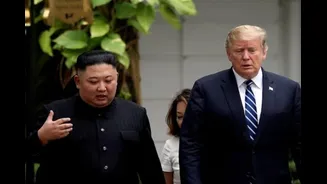
The summits with North Korean leader Kim Jong Un are a prime example of Trump's leader-led diplomacy in action. He met with Kim three times, a historic achievement that lowered the immediate temperature after a period of intense verbal sparring. Trump often highlighted his personal rapport with Kim as a key asset. However, the meetings ultimately failed to produce a lasting deal on denuclearization or sanctions relief. The second summit in Hanoi collapsed when the two sides couldn't agree on the sequencing of concessions, with North Korea demanding significant sanctions relief for limited denuclearization steps. This demonstrated the limits of personality-driven diplomacy; without the detailed groundwork of traditional negotiations, the gap in core interests was too wide to bridge in a single meeting.
Case Study 2: The Afghanistan Agreement
The 2020 agreement with the Taliban to withdraw US troops from Afghanistan further illustrates the challenges. The deal was negotiated directly between the Trump administration and the Taliban, largely excluding the Afghan government that the US had supported for two decades. This transactional approach achieved the short_term goal of setting a timeline for a US withdrawal. However, critics argue it did so at the expense of long_term stability. The agreement gave legitimacy to the Taliban without securing concrete guarantees for the future of the Afghan state or the rights of its citizens. The subsequent collapse of the Afghan government and the Taliban's rapid takeover in 2021 showed how a deal focused on a single outcome—troop withdrawal—can unravel when it is not part of a broader, more inclusive peace process.
A Post_Midterm World of Unpredictability
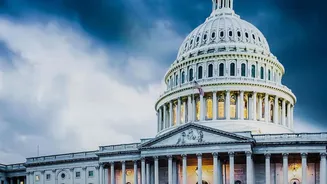
Following the 2026 midterms, where Democrats gained control of Congress, the executive branch may face domestic gridlock. Historically, presidents constrained at home often turn to foreign policy, where they have more freedom to act unilaterally through executive orders. This could incentivize a return to high_profile, top_down diplomatic gambles. However, for other nations, this creates a dilemma. A politically weakened president may be eager for a foreign policy 'win', but adversaries and allies alike may be hesitant to engage in serious negotiations. They may adopt a 'wait_and_see' approach, knowing that any deal struck with a president facing strong domestic opposition might not be sustainable, especially with an eye toward the 2028 elections.