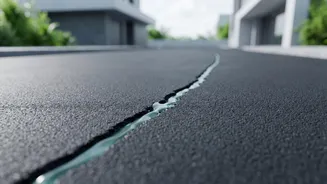










The Endless Cycle of Damaged Roads
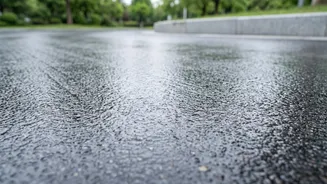
For millions of Indians, the state of the roads is a constant source of frustration and danger. Each year, heavy traffic and intense weather cycles, especially the monsoon, lead to a familiar plague of cracks, fissures, and potholes. The cost is immense,
not just in financial terms for repairs, but also in vehicle damage and, tragically, in road accidents. In 2022 alone, potholes on national highways were responsible for over 4,400 accidents and more than 1,800 fatalities. The current model of road maintenance is a reactive loop of damage and patchwork repair, a costly and disruptive process that seems to have no end. This has led authorities like the National Highways Authority of India (NHAI) to explore innovative and unconventional methods to improve road durability and safety.
An Introduction to Self-Healing Asphalt
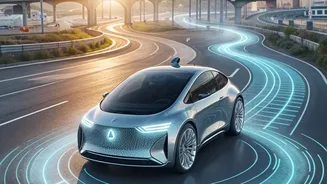
Imagine a road surface that, when a micro-crack appears, can automatically seal the gap before it grows into a pothole. This is the core idea behind self-healing asphalt. It's a category of advanced materials designed to autonomously repair damage, significantly extending the pavement's lifespan and reducing the need for constant maintenance. Unlike traditional asphalt which passively degrades over time, self-healing asphalt is an active system. It contains embedded agents that are triggered by the stress of a crack, initiating a repair process from within. This proactive approach could revolutionise infrastructure by making roads more resilient, safer, and more cost-effective in the long run.
The Science of Automatic Repair
There are several fascinating methods for making asphalt heal itself. One of the most promising involves tiny microcapsules mixed into the asphalt. These capsules contain a rejuvenating agent, often a type of oil. When a crack forms, the stress breaks the capsules, releasing the oil. This oil then seeps into the surrounding aged and brittle bitumen, softening it and allowing it to bind back together, effectively 'healing' the crack. The 'eco-binder' aspect comes from the materials used for this process. Researchers are successfully using sustainable, plant-based oils like sunflower oil, corn oil, and even recycled cooking oils as the healing agent. Another method involves mixing conductive materials like steel fibres or iron oxide nanoparticles into the asphalt. A specialised vehicle can then pass over the road, using an induction machine or a magnetic field to heat these particles. The heat temporarily melts the surrounding bitumen, causing it to flow and seal any fissures before hardening again.
The Environmental and Economic Edge
The benefits of this technology extend far beyond just smoother rides. By extending a road's functional lifespan by up to 30% or more, self-healing asphalt drastically reduces the frequency of disruptive and costly repair projects. This means fewer traffic jams, lower labour costs, and significant savings for public works budgets. Environmentally, the advantages are twofold. Firstly, using less new material for repairs and manufacturing fewer replacement sections of road lowers the overall carbon footprint. Secondly, the 'eco-binders' themselves are often derived from renewable resources or waste products. Binders can be created from lignin, a polymer found in trees, or other forms of biomass waste, reducing our dependence on petroleum-based bitumen.
The Road Ahead for India
While countries like the Netherlands have already deployed self-healing asphalt, the path to adoption in India has its own set of challenges. The primary hurdle is the higher upfront cost, with initial installation estimated to be around 25% more expensive than traditional asphalt. However, proponents argue this is offset by a much longer lifespan and dramatically lower maintenance costs. Researchers at Indian institutions like CRRI and IIT-Madras are actively working on variants suited to India's specific needs, such as extreme heat and heavy lorry loads. As the NHAI begins to explore these technologies, the dream of long-lasting, pothole-free highways may be closer than we think. The ultimate goal is to move from laboratory trials to mainstream adoption, creating a truly smart and sustainable road network for the nation.