


The Importance of Smoke Point
Every cooking fat, from butter to the wide variety of plant-based oils, has a smoke point. This is the temperature at which the fat stops shimmering and starts to smoke. It’s a critical threshold because it signals that the oil is beginning to break down
chemically. When an oil is heated past this point, its nutritional value degrades, it develops a burnt and bitter flavour, and it releases potentially harmful compounds called free radicals and acrolein. These compounds can contribute to oxidative stress in the body, which is linked to various health concerns. Therefore, for high-temperature cooking methods like deep-frying, searing, or making a tadka, using a fat with a high smoke point is essential for both flavour and health.
Ghee's Superior High-Heat Stability
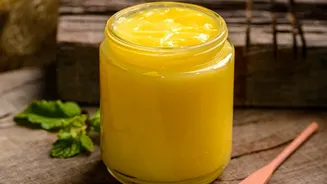
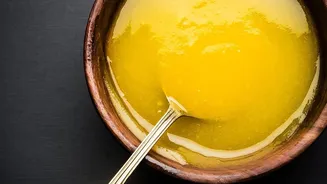
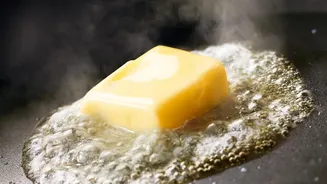
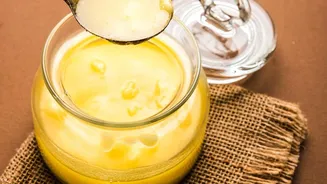
Ghee boasts an impressively high smoke point, typically around 250°C (485°F). This makes it one of the most stable fats available for cooking. Its resilience comes from the clarification process used to make it. Ghee is created by simmering butter until the water content evaporates and the milk solids (proteins and sugars) separate and are removed. It is these milk solids that cause regular butter to burn at a much lower temperature of around 175°C. By removing them, what remains is pure, stable butterfat. Ghee's composition, rich in saturated fats, is inherently more chemically stable under heat compared to the polyunsaturated fats found in many vegetable oils, which are more prone to oxidation. This stability means ghee can handle the intense heat of frying and roasting without breaking down and producing harmful substances.
The Cold-Pressed Oil Conundrum
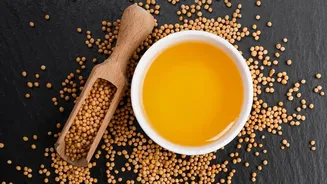
Cold-pressed oils are extracted without high heat or chemical solvents, which helps preserve their natural nutrients, flavour, and antioxidants. However, these very same natural compounds often make them less suitable for high-heat cooking. Unrefined oils generally have lower smoke points than their refined counterparts. For example, cold-pressed groundnut oil has a smoke point of about 160-170°C. Cold-pressed coconut oil's smoke point is around 175-200°C, making it suitable for sautéing but not ideal for deep-frying. While some sources cite a higher smoke point for cold-pressed mustard oil, others place it in the 190-210°C range, which is still significantly lower than ghee. Using these oils above their smoke point can negate their health benefits by destroying nutrients and creating harmful byproducts.
The Added Advantage of Infused Spices
Infusing ghee with spices isn't just for flavour; it can also enhance its properties. Many spices are potent sources of antioxidants, which are compounds that combat oxidation. Spices like turmeric, rosemary, cloves, and cinnamon are rich in phenolic compounds and flavonoids that can help protect the fat from heat-induced damage. When added to a fat like ghee, these antioxidants can help neutralize free radicals that may form during high-heat cooking, adding another layer of safety. Studies have shown that adding a blend of antioxidant-rich spices to a high-fat meal can reduce negative metabolic responses. While the spices themselves don't significantly raise the ghee's already high smoke point, their antioxidant activity helps maintain the quality of the fat and the food being cooked in it, preventing the formation of toxic oxidation products and extending its usability.
Making the Right Choice for Your Kitchen
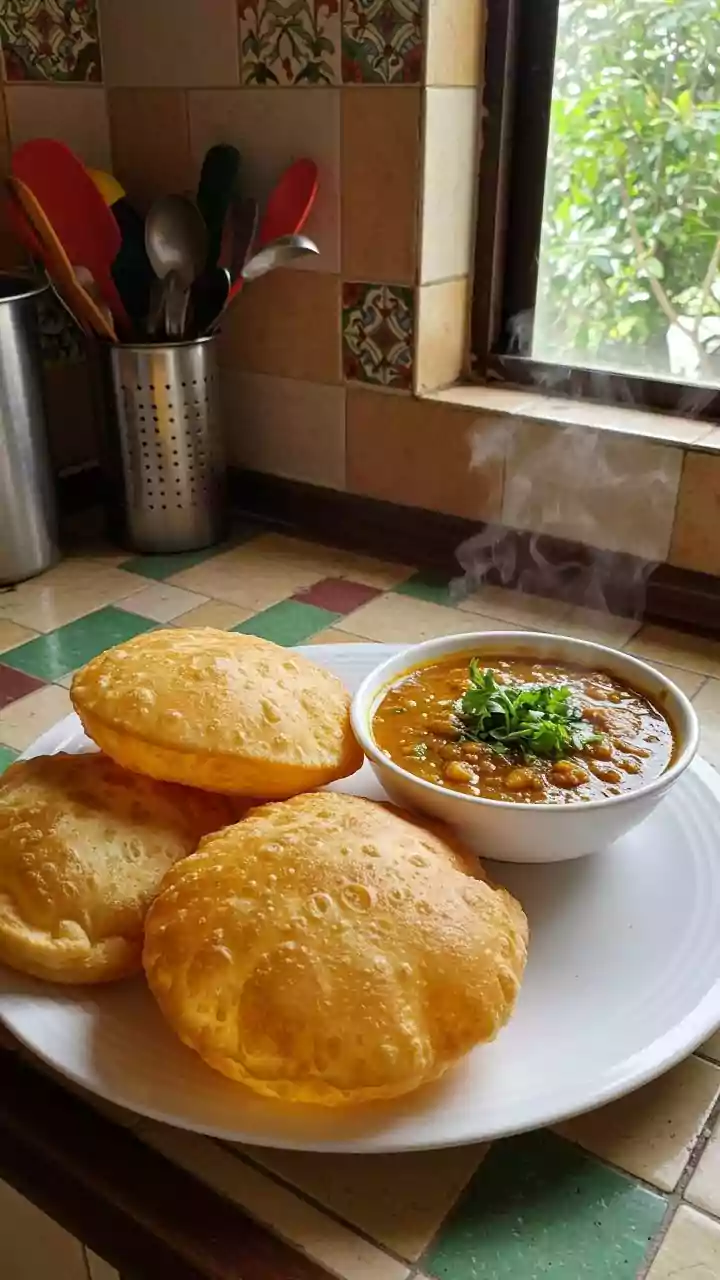
The choice between ghee and cold-pressed oil ultimately depends on the cooking method. For raw applications, dressings, or very low-heat cooking, the delicate flavours and nutrients of cold-pressed oils are an excellent choice. However, for the high-temperature demands of much Indian cooking—from deep-frying samosas and pakoras to preparing a sizzling tadka for dal—ghee's stability is unmatched. Its high smoke point ensures that the fat does not break down, preserving the integrity of your food and preventing the creation of harmful substances. Spiced infused ghee offers the dual benefits of this high-heat safety along with enhanced flavour and the protective antioxidant properties of the spices, making it a functionally and traditionally superior choice for your daily high-heat culinary needs.