





The Co-Living Accommodation Hack
The secret to unlocking this ultra-budget lifestyle lies in co-living hostels. Unlike traditional rentals with separate bills for rent, electricity, and internet, these spaces bundle everything into one predictable monthly fee. The most significant savings
come from opting for a shared dormitory bed instead of a private room. Many hostels and newer workation-focused properties offer long-stay packages that dramatically reduce the per-night cost. For a month-long stay, a bed in a shared dorm can range from ₹8,000 to ₹12,000. Some establishments even offer packages that include accommodation and meals for a fixed price. For instance, a 28-night stay in a quad-sharing dorm, complete with two meals a day, can be found for approximately ₹17,640. This all-inclusive model not only simplifies finances but also provides a built-in community of fellow remote workers and travellers.
A Smart Food Budget
Food is the second-largest expense, but it's easily managed in Rishikesh. The key is to leverage the communal kitchens available in most co-living spaces. Buying fresh, local groceries and preparing your own meals is the most cost-effective strategy. A monthly grocery bill for one person can realistically be kept between ₹5,000 and ₹6,000. When dining out, avoid the pricier tourist-centric cafes for daily meals. Instead, explore the local dhabas and small eateries that serve delicious and filling meals like thalis or parathas for as little as ₹100 to ₹150. A mix-and-match approach works best: cook most of your meals to control costs and enjoy the occasional affordable meal out to soak in the local flavours. This balance keeps the food budget comfortably under ₹6,000 per month.
Workspaces and Connectivity
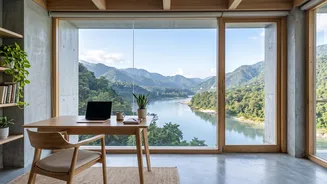
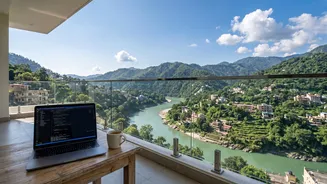
A digital nomad’s primary need is reliable internet, and co-living spaces are designed to deliver just that. High-speed Wi-Fi and dedicated common areas for working are typically included in the accommodation package, eliminating the need to pay for a separate co-working space membership. While Rishikesh is a spiritual town, it has adapted to the needs of remote workers. Most hostels and guest houses in popular areas like Tapovan and Lakshman Jhula offer decent connectivity. For a change of scenery, numerous cafes provide free Wi-Fi for customers, though the speed can be variable. As a reliable backup, it's wise to have a local SIM card from a provider like Jio or Airtel with a generous data plan, which is very affordable in India and ensures you’re always connected for important calls and deadlines.
Lifestyle on a Shoestring
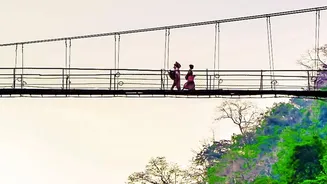
The beauty of Rishikesh is that many of its most profound experiences are free. The lifestyle is centred around wellness, spirituality, and nature, none of which requires a hefty budget. Attending the mesmerizing Ganga Aarti ceremony at dusk costs nothing. Walking across the iconic Lakshman and Ram Jhula bridges, exploring the surrounding forests on short hikes, or simply meditating by the banks of the river are daily activities that enrich the soul without emptying your wallet. Even joining a drop-in yoga or meditation class can be quite affordable. The town’s social life revolves around cafe-hopping, jam sessions at hostels, and community events, fostering connection over consumerism. Transportation costs are also minimal, as the main areas are highly walkable, and shared auto-rickshaws are cheap for longer distances.
The Budget Breakdown
So, how does it all add up to less than ₹18,000? Let's look at a sample monthly budget for a frugal but comfortable digital nomad: Accommodation: ₹9,000 (for a monthly deal on a dorm bed in a co-living hostel). Food: ₹5,500 (a mix of self-cooking and eating at local dhabas). Connectivity: ₹500 (for a monthly mobile data plan as a backup). Miscellaenous: ₹2,500 (for laundry, occasional cafe visits, local transport, and other small personal expenses). Total Monthly Spend: ₹17,500. This budget is not only achievable but allows for a rich and fulfilling experience. By choosing shared living, cooking meals, and embracing the low-cost local lifestyle, young nomads can easily live and work from the foothills of the Himalayas.