








More Than Just a Holiday
When we think of tourism, we often picture crowded city attractions or popular beach resorts. But a different kind of travel is gaining momentum: one that focuses on authentic experiences in villages and cultural hubs. This is rural and cultural tourism, defined
as any form of travel that showcases the local life, art, heritage, and traditions of a place. Unlike mass tourism, this model is built on interaction and participation, inviting visitors to experience life in a village, learn a traditional craft, or stay in a local home. The goal isn't just to provide a unique holiday, but to ensure that the economic and social benefits flow directly back into the community. This approach is now seen as a cornerstone of India’s inclusive growth strategy, with the potential to uplift the nearly 70% of the population living in rural areas.
Direct and Diverse Job Creation
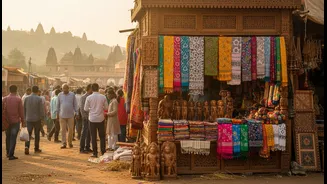
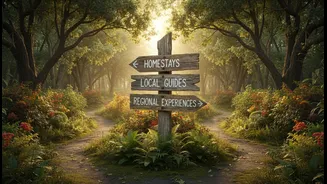
The most immediate impact of rural tourism is the creation of jobs. This isn't limited to one type of role; it spans a wide spectrum of opportunities that cater to different skills within a community. Homestays are a prime example, allowing families to generate a steady supplementary income by hosting guests in their own homes. This small-scale enterprise has a significant employment multiplier effect, creating more jobs relative to its size compared to the broader tourism industry. Beyond accommodation, new roles emerge for local guides, cooks, cultural performers, and artisans who can sell their crafts directly to visitors. In states like Uttar Pradesh, cultural tourism directly employs over 1.5 million people, from tour guides to hotel staff and dancers. This diversification of income is crucial for communities that have traditionally relied on seasonal agriculture, providing a more stable economic foundation.
The Economic Ripple Effect
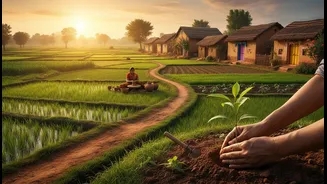
The economic benefits of rural and cultural tourism extend far beyond direct employment. This phenomenon is known as the multiplier effect, where money spent by tourists circulates through the local economy, creating a ripple of secondary benefits. For instance, a successful homestay doesn't just benefit the owner; it also creates demand for local farmers who supply food, taxi drivers who provide transport, and nearby shops that sell daily necessities. Studies show that the homestay sector has a particularly strong link to agriculture, meaning its growth directly supports local farmers. This spending catalyses entrepreneurship, encouraging the growth of small businesses that cater to tourist needs. The influx of revenue from tourism can also lead to long-term infrastructure development, such as better roads and improved sanitation, which benefits the entire community.
Empowering Women and Curbing Migration
One of the most powerful social impacts of this tourism model is the empowerment of women. By operating homestays or selling handmade crafts, women gain financial independence and a stronger voice in their households and communities. Initiatives like Culture Aangan have successfully trained hundreds of women across Maharashtra, Andhra Pradesh, and Uttarakhand, helping them become self-reliant through tourism-related activities. Furthermore, the availability of viable local jobs helps to reduce rural-to-urban migration. When young people see opportunities for a stable livelihood in their own villages, they are less likely to move to crowded cities in search of work. This keeps families together and helps preserve the social fabric of the community.
Preserving Heritage as a Livelihood
Cultural tourism creates a powerful economic incentive to protect and preserve local heritage. When traditions, art forms, and cultural practices become a source of income, communities are more motivated to keep them alive for future generations. This model turns cultural assets into sustainable livelihoods. For example, the revival of traditional dance forms in Kerala or the promotion of unique crafts in Rajasthan is often fuelled by tourist interest. This ensures that growth does not come at the cost of cultural loss. Success stories like Khonoma in Nagaland, India’s first “green village,” demonstrate how community-led conservation and eco-tourism can go hand-in-hand, creating a destination that is both environmentally and culturally sustainable. Government policies, such as the Swadesh Darshan scheme, further support this by funding the development of tourism infrastructure in a responsible manner.