







Understanding the Fats on Your Plate
Not all fats are created equal. Dietary fats can be broadly categorised into two groups: saturated and unsaturated. Saturated fats are typically solid at room temperature and are found in foods like butter, ghee, fatty meats, and tropical oils such as
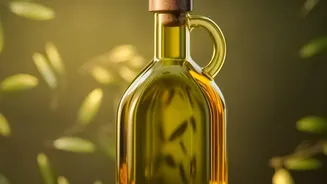
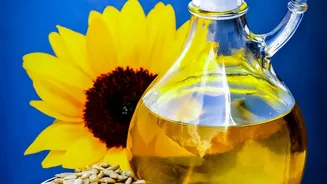
coconut and palm oil.. Unsaturated fats, which are liquid at room temperature, are predominantly found in plant-based oils, nuts, and seeds.. These are further divided into monounsaturated fats (found in olive, peanut, and mustard oils) and polyunsaturated fats (found in sunflower, soybean, and corn oils).. Decades of scientific evidence have shown a clear link between the types of fat we consume and our heart health..
The Heart of the Matter: Saturated Fat and Cholesterol
The primary concern with a diet high in saturated fat is its effect on cholesterol levels. Consuming too much saturated fat can raise the level of LDL (low-density lipoprotein) cholesterol in your blood.. This is often called “bad” cholesterol because high levels can lead to the buildup of plaque in your arteries, a condition known as atherosclerosis. This buildup narrows the arteries and increases your risk for heart disease and stroke.. In contrast, unsaturated fats can help reduce bad cholesterol levels, and some, like omega-3 fatty acids, offer additional anti-inflammatory benefits that protect the heart.. The American Heart Association recommends that saturated fat should make up less than 6% of your total daily calories..
Common Culprits in the Kitchen
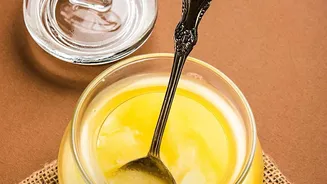
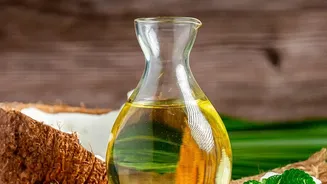
In many Indian households, certain fats are staples of traditional cooking. Ghee, while culturally significant and used in moderation for its flavour and digestive benefits, is high in saturated fat.. Likewise, coconut oil, popular in South Indian cuisine, is also predominantly saturated.. Vanaspati, a hydrogenated vegetable oil, is another major source of unhealthy fats that should be avoided. While these fats are stable at high cooking temperatures, their regular and excessive use can contribute to elevated cholesterol levels.. The key isn't necessarily complete elimination but conscious reduction and mindful substitution.
Heart-Healthy Oils to Embrace
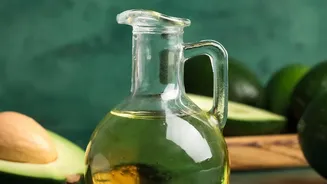
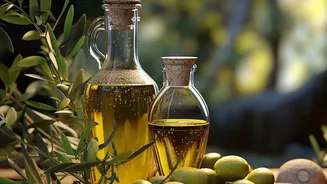
Making the switch to unsaturated fats is one of the most effective dietary changes for heart health. Studies have shown that replacing saturated fats with polyunsaturated fats can reduce the risk of cardiovascular events by about 30%, an effect comparable to some cholesterol-lowering medications.. For Indian cooking, several excellent options are available. Mustard oil is a fantastic choice, as it's low in saturated fat and has a healthy ratio of omega-6 to omega-3 fatty acids.. Groundnut (peanut) oil and sesame oil are rich in monounsaturated fats and are great for sautéing and light frying.. Rice bran oil is another good option with a high smoke point and a balanced fatty acid profile.. Using a variety of these oils can provide a wider range of beneficial nutrients.
Practical Tips for a Healthier Kitchen
Swapping your cooking oil doesn't have to be complicated. Start by making small, manageable changes. Instead of using ghee or butter for all your cooking, reserve it for flavouring—like adding a small dollop to dal or on top of a roti—while using a healthier oil like mustard or groundnut oil for the main cooking process. When you need to deep-fry, choose an oil with a high smoke point, but try to limit fried foods in your overall diet. Pay attention to labels and choose oils described as 'cold-pressed' or 'unrefined' where possible, as they retain more nutrients.. Remember that even healthy fats contain calories, so moderation is always key to maintaining a healthy weight..