



Start With a Smarter Layout
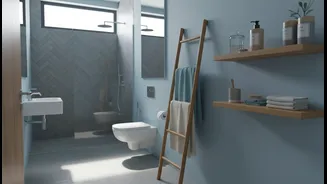
Before you choose a single tile or tap, think about flow and usability. A functional layout is the foundation of a successful bathroom design. Consider the daily traffic pattern. Can doors open fully without hitting anything? Is there enough space to
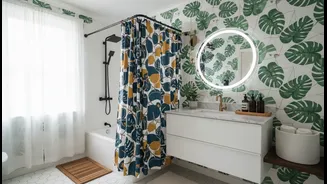
comfortably dry off or move between the sink, shower, and toilet? Designers often suggest making sure the toilet isn't the first thing you see when the door is open. For smaller spaces, wall-mounted or floating vanities can create the illusion of a larger room by freeing up floor space and improving sightlines. The goal is to create a room that feels balanced and easy to navigate, not just a space where everything fits.
Prioritise Clutter-Free Storage
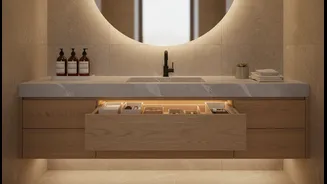
A key element of any relaxing retreat is a lack of clutter. This means planning for smart, ample storage from the very beginning. Think vertically with tall shelving units or recessed medicine cabinets that offer storage without taking up floor space. Vanity drawers are often more practical than deep cabinets, as they allow you to see and access everything easily. Consider what you need to store—from daily toiletries to backup supplies and cleaning products—and design specific homes for them. Clever solutions like drawers in the vanity toe-kick or tip-out trays in front of the sink can create storage in otherwise wasted space.
Layer Your Lighting for Mood and Task
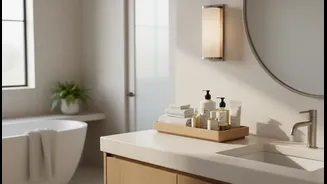
Good lighting is essential for both function and ambiance. A single harsh overhead light will make any space feel cold and clinical. Instead, plan for a layered lighting scheme. This includes bright, clear task lighting around the mirror for daily grooming, ambient overhead lighting to fill the room, and softer, decorative or dimmable lights to create a relaxing mood for a bath. If possible, maximize natural light. Smart mirrors with built-in, adjustable lighting can also serve a dual purpose, enhancing both practicality and atmosphere.
Choose Durable, Low-Maintenance Materials
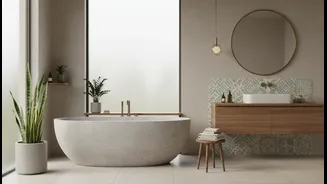
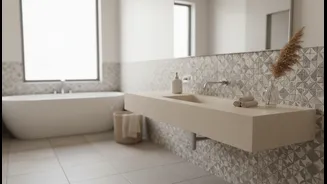
The materials you choose are crucial for balancing luxury with livability. A spa-like feel often comes from using natural materials like stone and wood, but practicality is key. For flooring, look for options with good traction to prevent slipping, such as smaller mosaic tiles that have more grout lines. Porcelain tile is a popular choice for both floors and walls because it is extremely durable, water-resistant, and comes in countless styles that can mimic natural stone or wood without the high maintenance. For countertops, quartz is a durable and stylish option that resists staining and is easy to clean.
Don't Forget Ventilation
It may not be the most glamorous part of the design, but proper ventilation is non-negotiable for a functional bathroom. An effective exhaust fan is vital for removing moisture, which prevents the growth of mould and mildew, protects paint and fixtures from damage, and keeps mirrors from fogging up. Ensure your fan is powerful enough for the size of your room and, crucially, that it vents directly to the outside of your home, not into the attic. This functional element is key to protecting your investment and maintaining a healthy environment in your new retreat.