


The Science of Starch
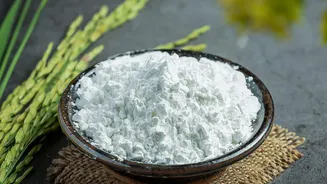
The primary difference between rice types lies in their starch composition. Rice contains two main starches: amylose and amylopectin. Long-grain rice varieties like Basmati and Jasmine are high in amylose. This starch doesn't break down easily, which
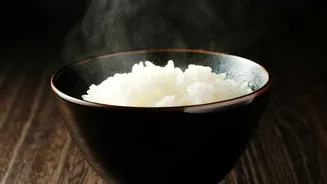
allows the grains to remain firm, separate, and fluffy after cooking. In contrast, short- and medium-grain rice are high in amylopectin. This is a highly branched starch that becomes gelatinous and sticky when cooked, creating the cohesive and creamy textures needed for dishes like risotto and sushi. Understanding this fundamental difference is the first step in matching your rice to the right cooking method.
Long-Grain Rice: For Fluffy, Separate Grains
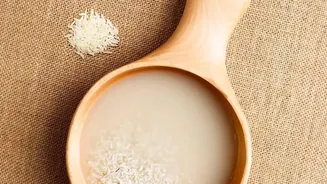
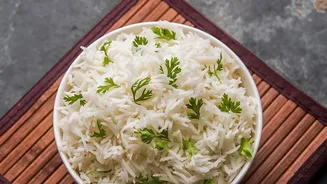
Long-grain rice, such as the fragrant Basmati popular in Indian cuisine, is defined by its slender kernels that are at least three to four times longer than they are wide. Its high amylose content ensures that the grains cook up light and separate, making it the ideal choice for dishes like biryani, pulao, or as a simple side where you want each grain to stand on its own. The best cooking method is typically the absorption method. After rinsing to remove excess surface starch, the rice is cooked in a measured amount of water (often a 1:1.5 or 1:2 rice-to-water ratio) until the liquid is fully absorbed. Allowing it to steam off the heat for 10 minutes is crucial for achieving maximum fluffiness.
Medium and Short-Grain Rice: For Creamy and Sticky Dishes
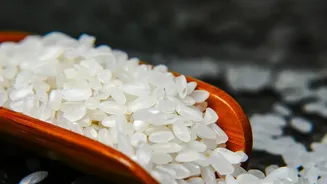
Medium-grain rice, like Arborio for risotto or Valencia for paella, is plumper than long-grain rice. Short-grain rice, such as that used for sushi, is nearly round. Both are rich in amylopectin, the starch responsible for their characteristically soft, moist, and sticky texture when cooked. This stickiness is not a flaw; it's a feature. It allows the rice to clump together, which is essential for sushi, or to release its starches into the cooking liquid, creating the creamy sauce of a good risotto. For these types, stirring is often encouraged to release starch. Soaking time is generally shorter than for long-grain rice, and the water ratio may be higher as the grains absorb liquid more readily.
How Milling Changes the Game
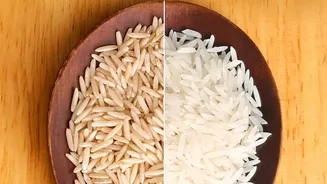
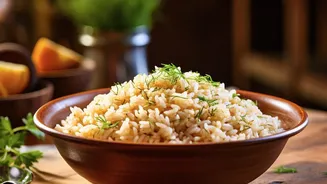
Milling is the process that turns brown rice into white rice by removing the outer bran layer and germ. This significantly affects cooking. Brown rice, being a whole grain with its bran intact, requires more water and a longer cooking time. The fibrous bran layer makes it harder for water to penetrate the grain. White rice, with the bran removed, cooks much faster. However, the milling process also strips away nutrients and fibre. Parboiled rice is a bit of a hybrid; it's partially boiled in its husk before milling, which pushes nutrients from the bran into the grain itself, making it more nutritious than regular white rice while still cooking up into separate grains.
Matching the Method to the Grain
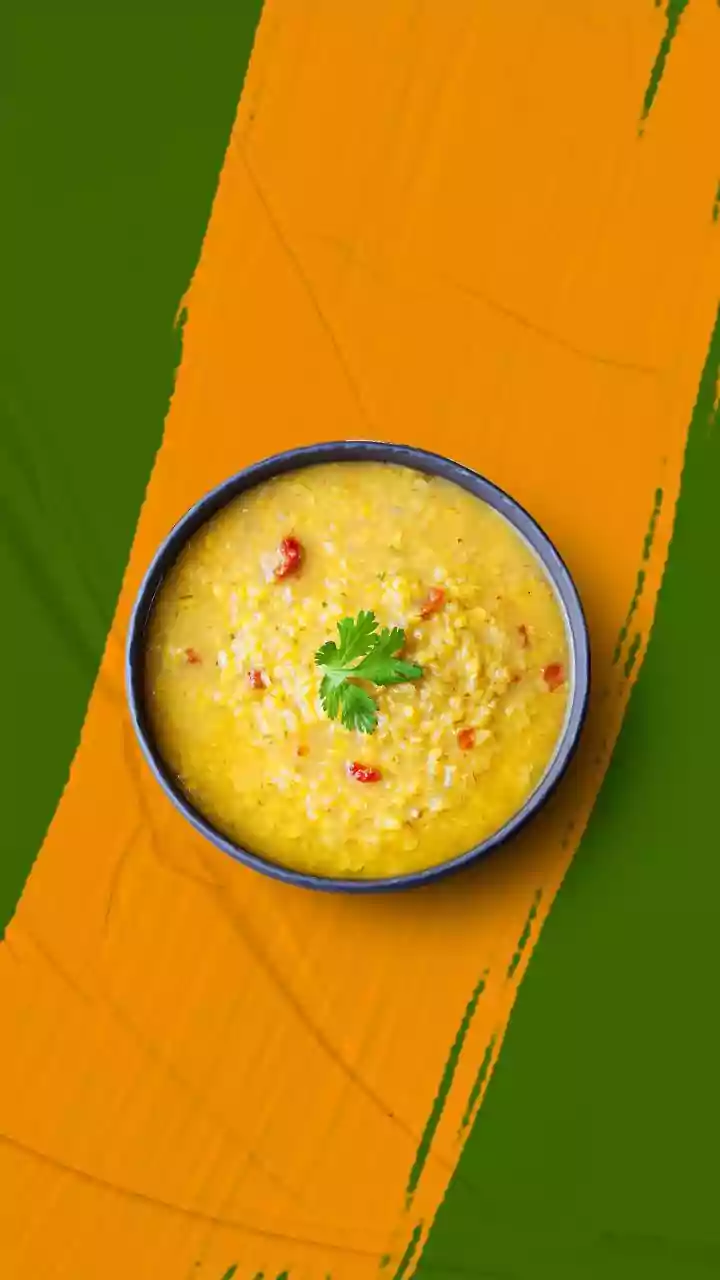
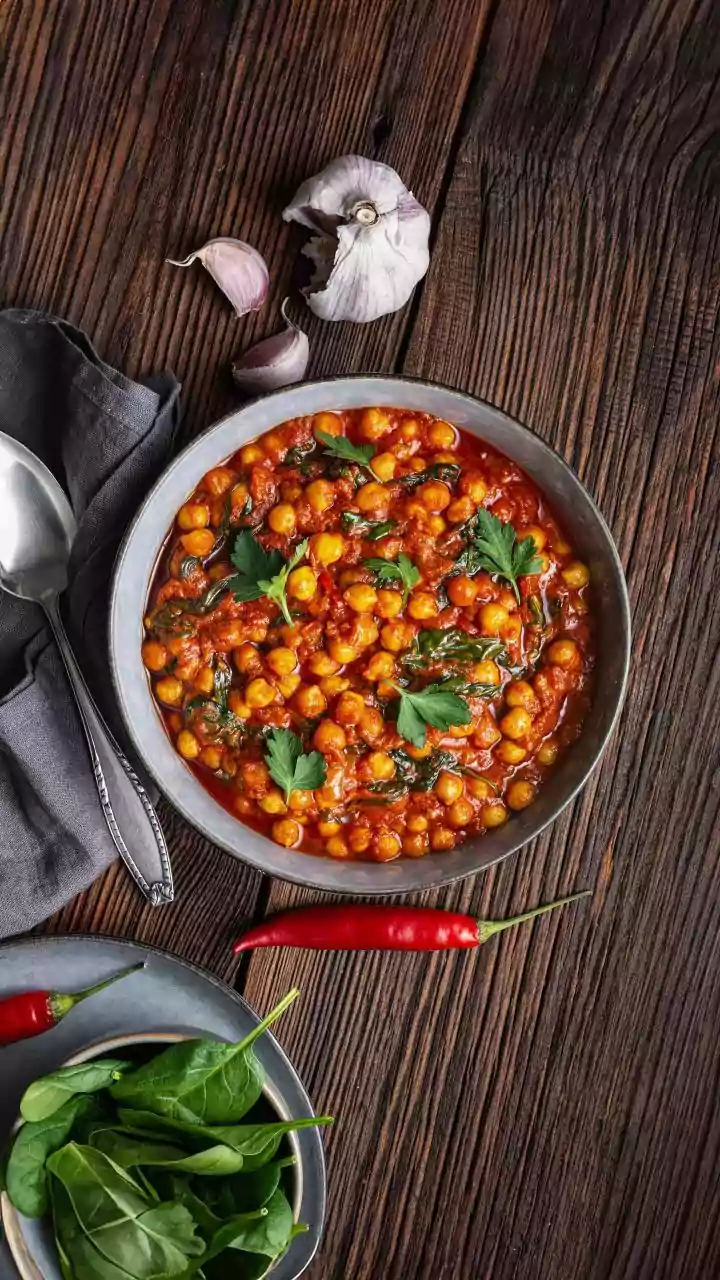
So, how do you choose? First, identify your rice. Is it long, medium, or short? Is it brown or white? For long-grain white rice (Basmati, Jasmine), use the absorption method for fluffy results. For medium-grain rice (Arborio), a slow-cook risotto method with gradual addition of liquid is best. For short-grain rice (sushi rice), a precise water ratio in a rice cooker or a covered pot will yield the desired sticky texture. For brown rice of any grain length, be prepared to increase both the water and the cooking time significantly. If you're using an everyday medium-grain rice like Sona Masoori, which is popular for daily meals with curries, a simple boil or absorption method works well, providing a soft texture that complements dals and gravies.