








The Current System: A Free Digital Public Good
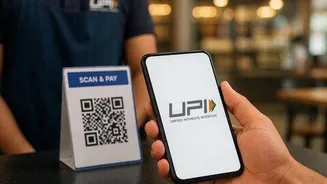
Since its launch in 2016 and especially after a government mandate in January 2020, UPI has operated on a zero-charge framework for both users and merchants. This means when you scan a QR code at your local kirana store, the merchant receives the full
amount without any deduction. This policy, known as zero Merchant Discount Rate (MDR), was designed to drive mass adoption of digital payments and reduce reliance on cash. The strategy was a phenomenal success, making UPI the world's largest real-time payment system, processing billions of transactions monthly. However, this has been possible through government subsidies paid to banks and payment companies to cover their operational costs.
What Exactly Is Being Proposed?
The new proposal revolves around reintroducing a Merchant Discount Rate, or MDR, for certain UPI transactions. MDR is a fee that a merchant pays to their bank and payment service provider for processing a digital payment. The recent Taxation and Other Laws (Amendment) Bill, 2026, amends the Payment and Settlement Systems Act, creating the legal groundwork for the government to notify charges on specific electronic payment modes. However, the government has repeatedly clarified this does not mean all UPI payments will suddenly become chargeable. The plan is to introduce a calibrated, threshold-based MDR, which would apply only to a limited category of high-value merchant transactions. The exact threshold and the MDR rate are yet to be finalised, but they will be decided by the UPI and Services Steering Committee, which is headed by the National Payments Corporation of India (NPCI).
Why Are Charges Being Considered?
The primary reason is financial sustainability. Running the massive UPI infrastructure—which involves constant upgrades, cybersecurity, and fraud prevention—is expensive for banks and payment companies. With transaction volumes growing exponentially, the current model of relying on government subsidies is seen by many in the industry and by a Parliamentary Standing Committee on Finance as unsustainable in the long run. The industry's estimated operational costs far exceed the incentives provided by the government. Proponents argue that a nominal MDR would create a viable revenue model, encouraging private players to invest further in innovation, expand services to rural areas, and ensure the long-term health and security of the payments ecosystem.
Who Will This Affect?
The government has been firm that consumers will not be charged for using UPI, and all person-to-person (P2P) transfers, like sending money to friends or family, will remain free. The proposed MDR would be a charge on merchants. However, the focus is on high-value transactions and larger merchants. Small, everyday transactions for essentials are expected to remain free for merchants as well. The main concern is whether affected merchants would absorb this new cost or pass it on to consumers in the form of higher prices or by setting minimum purchase values for digital payments. The final framework will need to clarify these rules for merchants.
The Government's Official Stance
The Ministry of Finance has clarified that the legislative amendment is an 'enabling provision' designed to ensure UPI's long-term growth and security, not to burden the public. Officials have stressed that UPI is a digital public good and there is no plan to levy charges on ordinary users. They have assured that if and when an MDR is introduced, it will be nominal, threshold-based, and apply to only a limited set of merchants. Finance Minister Nirmala Sitharaman has also stated in Parliament that consumers will continue to make UPI payments without any charge. The core message from the government is a balanced approach: protecting small users and merchants while creating a sustainable path for the future of digital payments in India.