






Let Your Wardrobe Breathe
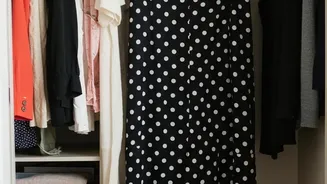
The simplest trick is often the most effective. Trapped air is moist air, which is a breeding ground for mildew and fungus. Make it a habit to open your wardrobe doors for at least an hour each day, especially on less humid or sunny days. This allows
trapped moisture to escape and fresh air to circulate, preventing that dreaded musty odour from setting in. Also, avoid pushing your wardrobe flush against a wall; leaving a gap of a few inches allows for better airflow around the entire unit, reducing the chances of dampness accumulating behind it.
Declutter and Create Space
An overstuffed closet is an enemy of freshness. When clothes are packed too tightly, air cannot circulate between them, trapping moisture and creating an ideal environment for mould. Take some time to declutter and organise your clothes. Consider storing heavy or less-used items, like silks or heavily embroidered pieces, in separate, breathable bags. Creating even small gaps between hanging garments can significantly improve ventilation and keep your daily-wear clothes dry and smelling fresh.
Embrace Natural Moisture Absorbers
Your kitchen and pantry hold several inexpensive yet powerful tools to combat wardrobe dampness. Placing a small bowl of rock salt, uncooked rice, or baking soda on a shelf can work wonders. These materials are natural desiccants, meaning they absorb excess moisture from the air. Another effective and widely available option is activated charcoal, which not only absorbs moisture but also neutralises odours. You can place these in small, breathable cloth bags or bowls in the corners of your wardrobe, replacing them every few weeks for best results.
Use Silica Gel Strategically
Those little white packets you find in new shoe boxes or electronic packaging are silica gel, a highly effective moisture absorber. Don't throw them away; instead, collect them and place them in your drawers, shoe racks, and wardrobe shelves. They are excellent at soaking up ambient humidity and protecting fabrics and leather from moisture damage. For a more powerful solution, you can purchase larger silica gel packets, which are great for bigger wardrobes or areas with persistent dampness.
The Power of Neem and Camphor
These traditional Indian solutions have been used for generations for a reason. Dried neem leaves are a natural anti-fungal agent and pest repellent. Simply placing a few small branches or a pouch of dried leaves in your closet can help keep microbes at bay. Camphor is another excellent choice; it works as a natural moth repellent, absorbs moisture, and leaves behind a pleasant, fresh scent. You can place a few camphor balls in a small muslin bag and hang it inside your wardrobe.
Ensure Clothes are Completely Dry
This might seem obvious, but even slightly damp clothes can introduce a significant amount of moisture into your wardrobe, creating the perfect conditions for fungus to grow. During the monsoon, when sun-drying is a luxury, be extra diligent. If you're drying clothes indoors, use a fan to increase air circulation. Once clothes feel dry to the touch, iron them on a low heat setting. The heat from the iron helps evaporate any last bit of residual moisture, ensuring they are bone-dry before being stored.
A Little Warmth Goes a Long Way
Fungus and mildew thrive in cool, damp, and dark environments. Introducing a source of gentle warmth can help keep your wardrobe dry. One old-fashioned but effective trick is to install a low-wattage light bulb inside your closet. Keeping it on for short periods can raise the internal temperature just enough to ward off moisture and prevent mildew from taking hold. This is particularly useful for walk-in closets or larger wardrobes where dampness is a recurring issue.