






Pomegranate: The Antioxidant Jewel
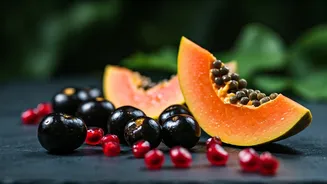
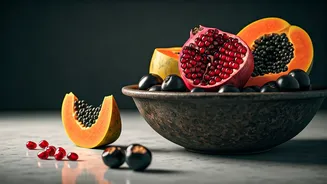
While we associate pomegranates with crisp autumn air in the U.S., they are a quintessential rainy season and winter fruit in many parts of the world. These ruby-red jewels are a powerhouse of nutrition that experts frequently praise. They are loaded
with potent antioxidants called punicalagins and anthocyanins, which studies suggest help combat inflammation and protect cells from damage. This is particularly valuable during seasons when colds and flu are more common. Nutritionists also highlight their impressive Vitamin C content—a single pomegranate can provide a significant portion of your daily requirement, directly supporting immune function. Beyond immunity, the compounds in pomegranates are linked to improved heart health and may even support memory. Their sweet-tart flavor is a vibrant antidote to a dreary day, perfect for adding to yogurt, salads, or just eating by the spoonful.
Lychee: The Immunity-Boosting Treat
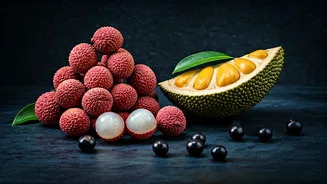
In many parts of Asia, the arrival of lychees signals the start of the summer monsoon season. This sweet, fragrant fruit has a bumpy red skin that peels away to reveal a translucent white flesh with a delicate, floral taste. Experts love lychees not just for their unique flavor but for their concentrated dose of Vitamin C. In fact, ounce for ounce, they are one of the richer fruit sources of this essential immune-supporting nutrient. They also contain oligonol, a polyphenol that some research suggests has antioxidant and anti-influenza virus properties. Furthermore, lychees provide a good source of copper, which is crucial for creating red blood cells, and potassium, which helps maintain healthy blood pressure. While fresh lychees have a short season in the U.S. (typically late spring to early summer), they are widely available canned in syrup or water, offering a year-round taste of the tropics.
Passion Fruit: The Fiber-Rich Mood Lifter
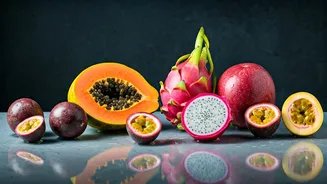
Thriving in the warm, wet conditions of tropical and subtropical climates, passion fruit is a rainy season staple. Its tough purple or yellow exterior hides a treasure trove of bright, tangy pulp and edible seeds. Dietitians often point to passion fruit's incredible fiber content as a key benefit. The seeds are particularly rich in insoluble fiber, which aids digestive health and promotes feelings of fullness. The pulp is a fantastic source of Vitamin A, crucial for vision and immune health, and another strong contributor of Vitamin C. What’s more, passion fruit contains a compound called piceatannol, an antioxidant that some studies have linked to improved insulin sensitivity. Its zesty, tropical flavor can feel like a burst of sunshine, making it a perfect ingredient to liven up smoothies, desserts, and beverages on an overcast day.
Cherries: The Anti-Inflammatory All-Star
In North America, cherry season aligns with late spring and early summer—a period often marked by rain showers. Experts celebrate both sweet and tart cherries for their powerful anti-inflammatory properties, largely thanks to their high concentration of anthocyanins. This is the same family of antioxidants found in pomegranates, and they are responsible for the fruit’s deep red color. Chronic inflammation is linked to a host of health issues, and incorporating anti-inflammatory foods like cherries can be a powerful protective measure. For those who struggle with sleep on stormy nights, tart cherries are a notable source of natural melatonin, the hormone that regulates sleep-wake cycles. Studies suggest that tart cherry juice may help improve sleep quality and duration, making it a perfect, healthful nightcap.
Pears: The Gentle Gut-Friendly Fruit
Often harvested from late summer through the fall, pears are a staple as the weather cools and becomes wetter in many parts of the U.S. They are a favorite among nutrition experts for being gentle on the digestive system while packing a solid nutritional punch. Pears are an excellent source of soluble and insoluble fiber, which is vital for maintaining digestive regularity and supporting a healthy gut microbiome. Their high water content also aids in hydration. Furthermore, their skin contains beneficial plant compounds like flavonoids, which act as antioxidants and have anti-inflammatory effects. Because they are considered a low-acid fruit, pears are often well-tolerated by individuals with acid reflux. Their mild, sweet flavor and soft texture make them a comforting and nourishing choice when you’re craving something wholesome.