


1. Packing the Wrong Clothes and Shoes
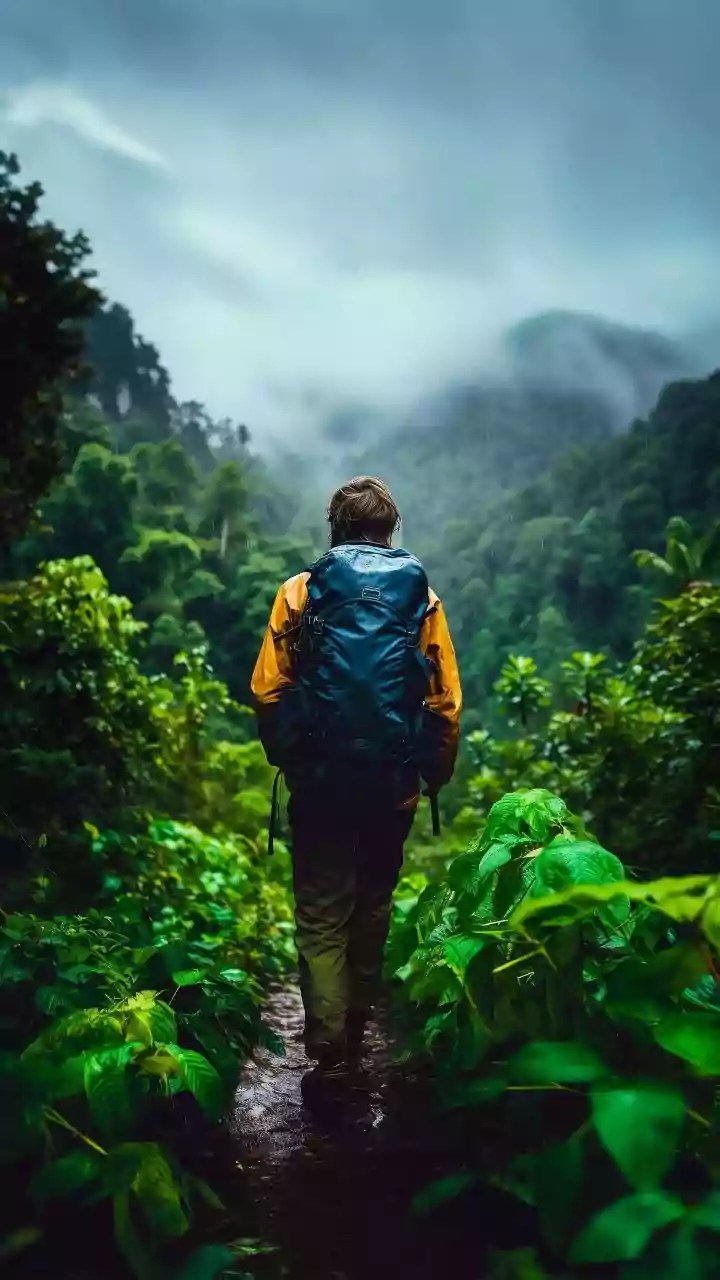
One of the fastest ways to feel miserable is being stuck in damp, heavy clothing. Many travellers make the mistake of packing jeans, thick cottons, and other slow-drying fabrics. When these get wet, they stay wet, becoming uncomfortable and musty in the high
humidity. The same goes for footwear; leather shoes get ruined, and casual flip-flops lack the grip needed for slippery, moss-covered paths. The smarter choice is to pack lightweight, synthetic, quick-drying clothes. For your feet, opt for rubber sandals, floaters with good grip, or anti-skid trekking shoes, especially if you plan on exploring hilly areas.
2. Having a Rigid, Jam-Packed Itinerary
Monsoon weather is famously unpredictable. A sunny morning can turn into a torrential downpour by the afternoon, causing sudden transport delays, road closures, or flooded streets. Treating heavy rain as a minor inconvenience instead of a major travel factor is a significant error. Booking a tight schedule with back-to-back activities leaves no room for these disruptions. A flexible itinerary is your best friend during the monsoon. Build buffer days into your plan, allowing you to adapt to changing conditions, whether that means waiting out a storm or seizing a sudden sunny spell for a spontaneous outing.
3. Underestimating Road Travel Risks
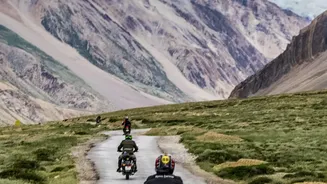
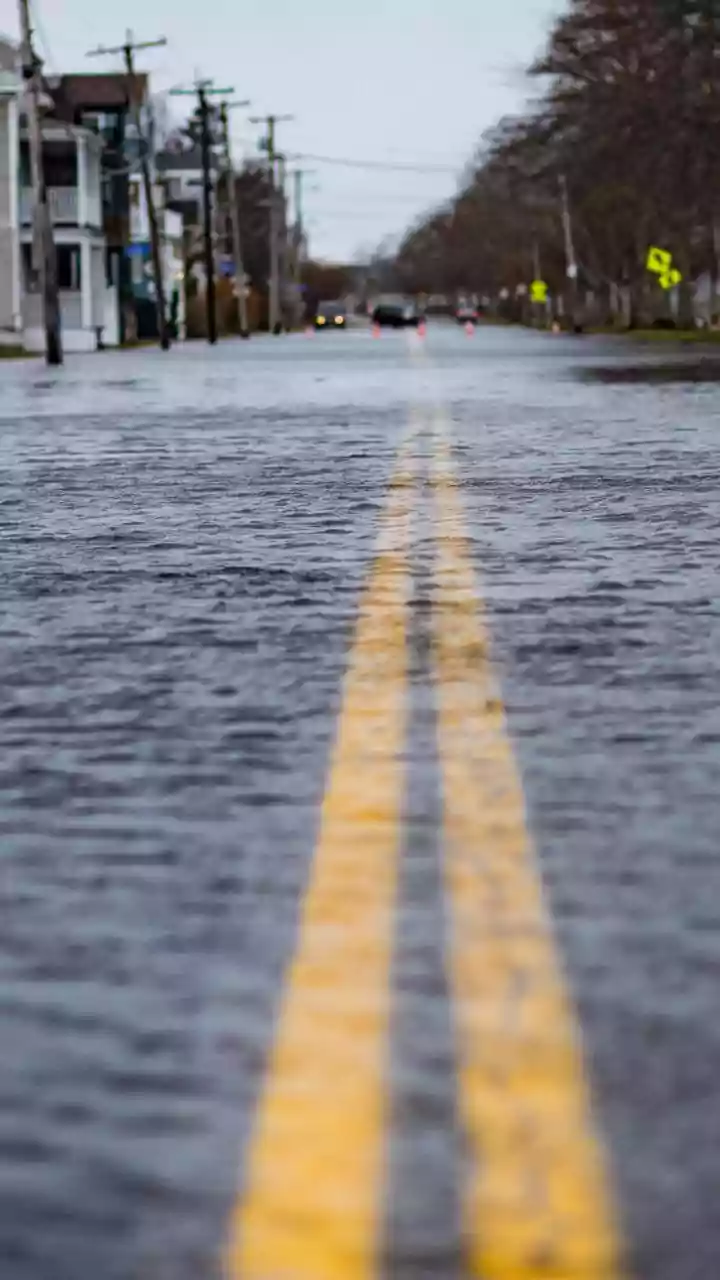
A scenic road trip through misty landscapes sounds idyllic, but monsoon roads in India can be treacherous. Heavy rains increase the risk of landslides in hilly regions, and waterlogged streets are common in cities. Assuming a road will be open or a journey will take the usual amount of time is a gamble. Drivers should reduce speed significantly, maintain a much greater distance from the vehicle ahead, and avoid driving through deep puddles, which can hide deep potholes or damage your car's engine. Before setting out, always check local road conditions and, if possible, hire an experienced local driver who understands the terrain.
4. Forgetting About Health and Hygiene
The rainy season unfortunately brings a higher risk of water-borne and mosquito-borne illnesses like dengue and malaria. A common mistake is to be careless with food and water. It's crucial to drink only boiled, filtered, or sealed bottled water. Be wary of street food, especially items that are not served piping hot or have been exposed to the open air. Always carry a good quality insect repellent and apply it generously, especially during dawn and dusk. It's also wise to pack a basic first-aid kit with antiseptic wipes, bandages, and any anti-fungal powders, as high humidity can cause skin irritations.
5. Leaving Electronics Unprotected
High humidity and sudden, intense downpours are a death sentence for unprotected electronics. Many travellers fail to adequately shield their phones, cameras, laptops, and power banks from moisture. Tucking your phone into a pocket is not enough when you can get soaked in minutes. The solution is simple and effective: use waterproof dry bags or even basic zip-lock pouches for all your valuable gadgets. These create a reliable seal against both rain and the pervasive dampness in the air, preventing the kind of water damage that can ruin a trip.
6. Ignoring Local Weather Alerts
Assuming the weather at your destination will be the same as where you started is a frequent error. Monsoon conditions can vary drastically from one region to another, and even from one valley to the next. Relying on a national forecast isn't enough. Travellers should pay close attention to local weather reports and official alerts, especially in hilly or coastal areas prone to landslides or flooding. A clear morning doesn't guarantee a safe day for trekking or sightseeing, so staying informed with up-to-date local information is key to making safe decisions.
7. Choosing the Wrong Destination
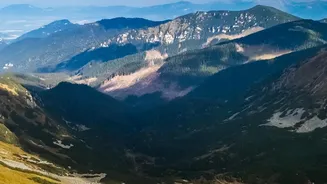
While many parts of India are spectacular during the monsoon, some places become genuinely hazardous. Destinations in high-altitude regions like Uttarakhand and parts of Sikkim can experience severe landslides and road blockages. Similarly, states like Assam are prone to major flooding from rivers like the Brahmaputra. Researching your destination's specific monsoon characteristics is vital. Opting for places known for their monsoon charm, such as the Western Ghats, Kerala, or Goa, is generally a safer and more enjoyable bet than venturing into areas where the rainy season is known to cause significant disruption.