




From Packets to Plates
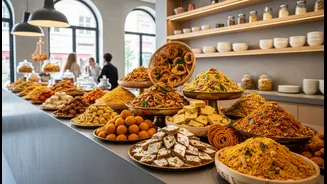
The strategy for bringing Indian flavours to the world is undergoing a major evolution. For years, the business model was simple: export packaged goods like bhujia, namkeen, and sweets to be sold in ethnic grocery stores and, eventually, mainstream supermarkets.
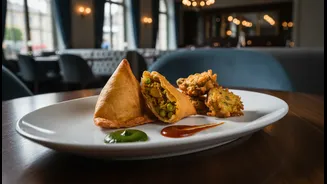
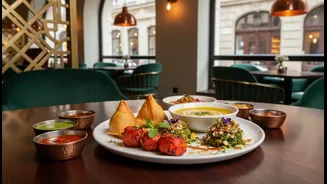
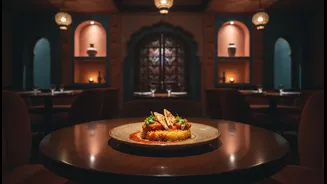
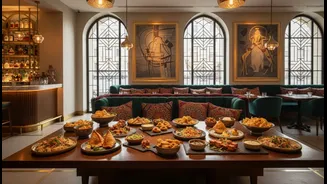
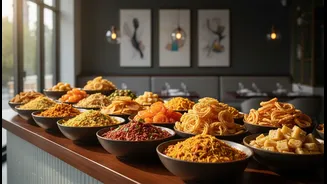
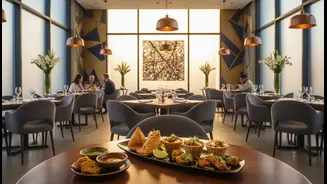
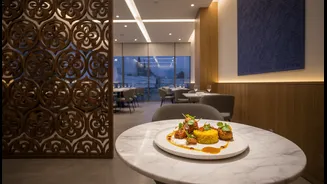
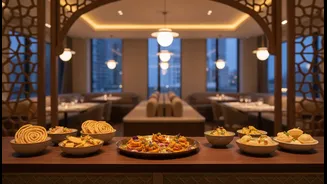
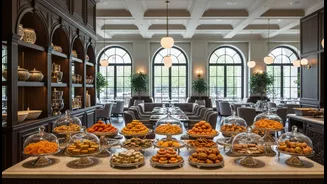
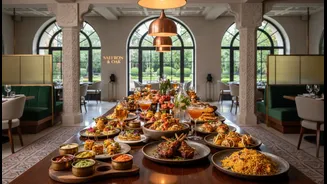
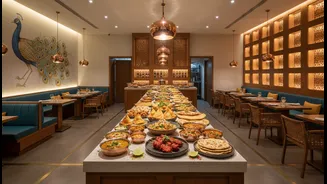
While successful, this approach kept brands on the shelf. The new strategy is far more ambitious. It involves creating immersive, full-service dining experiences that function as brand embassies. A leading example is Haldiram's, which opened a 120-seat restaurant in London's Leicester Square in June 2026. This isn't just a larger café; it's a premium casual dining venue designed to transform Haldiram's from a product you buy into a destination you visit.
The Restaurant-as-Gateway Strategy
So, why would a successful snack empire enter the notoriously competitive restaurant industry abroad? The restaurant serves as a high-visibility gateway to the brand's entire universe. By offering a menu of beloved dishes like Chole Bhature and Raj Kachori in an inviting setting, these brands can introduce European diners to the depth of Indian cuisine beyond ready-made curries. The goal is to use the restaurant as an experience hub. A customer might come in for a meal, enjoy the flavours, and then visit the in-house retail counter to buy sweets or packaged snacks to take home. This model allows brands to control the narrative, build deeper loyalty, and capture higher profit margins than retail alone can offer.
Key Players and Their European Playbook
Haldiram's is at the forefront of this trend, with its new London flagship backed by investment from Singapore's Temasek. The expansion, led by a third-generation family member, is a calculated move to build a mainstream brand, drawing inspiration from successful chains like Dishoom. While London is the first step, the company has its sights on other European countries with large Indian communities, such as Germany and France. Other brands are also making moves. Bikanervala has established outlets with dine-in services in the UK, and Moti Mahal announced plans in early 2024 to bring its tandoori cuisine to the continent. Even Bikaji Foods, while currently focused on a QSR and café model in India, has signaled its ambition to grow beyond packaged snacks, a strategy that could see it follow its rivals into international dining.
A Growing Appetite for Authenticity
This expansion is timed perfectly to meet a shift in European consumer tastes. The market for Indian food in Europe is growing steadily, with some estimates showing a 5-7% annual increase. Crucially, this demand is moving beyond a generic interest in 'curry' towards a more sophisticated appreciation for authentic, regional Indian dishes. European diners are more adventurous and are actively seeking the diverse flavours that brands like Haldiram's have perfected over decades. Initially driven by the diaspora, the market is now expanding to include a broader local audience eager to explore new culinary traditions. Indian cuisine already dominates the ethnic food market in Europe, holding a 28.4% share in 2024, providing a strong foundation for this new wave of restaurant-led growth.
Challenges on the Continental Plate
Despite the opportunity, the path is not without its obstacles. Opening a restaurant in a prime location like Leicester Square involves immense financial investment and navigating some of the world's most expensive real estate. Brands must also contend with different food safety regulations, complex international supply chains, and local labour laws. There's also the challenge of balancing authenticity with local tastes. While menus are rooted in classic recipes, many are introducing fusion desserts or dedicated vegan options to appeal to a wider demographic. Finally, competition is fierce, not just from other Indian brands but from the thousands of established local restaurants that already cater to European diners.