





The Rise of Fusion Fatigue
Let’s be honest. For a while, fusion food felt like the future. It was a bold, exciting playground where chefs mashed up global techniques with familiar Indian flavours. Some of it was genuinely brilliant, creating entirely new taste profiles. But somewhere
along the way, innovation curdled into gimmickry. The market became saturated with dishes that felt more like clickbait than culinary art. Tandoori momos, paneer tikka tacos, biryani-stuffed sushi—the list of culinary Frankensteins grew, often sacrificing flavour and cultural context for the sake of a clever Instagram post. This isn't a critique of all fusion, but of the lazy, generic kind. It's the culinary equivalent of a bad movie remix: it takes two good things and makes them worse. The result is often a confusing plate of food where no single flavour gets to shine. We’ve reached a point of 'fusion fatigue,' a collective craving for something more meaningful.
The Deep Magic of the Hyper-Local
The antidote to this fatigue is the rediscovery of our own backyard. India doesn't have one 'Indian cuisine'; it has hundreds. Beyond the well-trodden paths of Punjabi, Mughlai, or Chettinad food lies a treasure trove of micro-cuisines. These are food traditions tied not just to a state, but to a specific sub-region, community, or even a single valley. Think of Malnad cuisine from the hilly regions of Karnataka, with its reliance on foraged greens, fresh bamboo shoots, and a unique blend of spices. Or consider Kathiawadi food from Gujarat's Saurashtra peninsula—fiery, robust, and completely distinct from the sweeter Gujarati fare most people know. These cuisines are shaped by a unique terroir: the local climate, the available produce, and centuries of cultural history. They offer a specificity that generic fusion, by its very nature, cannot.
Every Dish Tells a Story
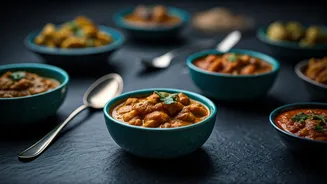
This is where regional food truly wins. A bowl of Pandi Curry from Coorg isn’t just a pork dish; it’s a story about the region’s warrior clans, its abundant black pepper, and the souring agent from the local Kachampuli fruit. A dish of Saoji chicken from Nagpur tells a tale of the city's history as a textile hub, with its intensely hot and dark spice mix designed for mill workers. These dishes are edible history. They connect us to a place, a people, and a past. They carry the wisdom of generations who perfected a recipe using what was around them. Generic fusion, on the other hand, often strips away this context. A 'naan pizza' has no story. It exists in a cultural vacuum, a novelty item disconnected from any tradition. When we eat regional food, we’re consuming more than just calories; we’re consuming culture.
The Chefs Championing Heritage
This movement isn’t just happening in home kitchens. A new generation of Indian chefs and restaurateurs are turning away from international trends and looking inward. They are travelling to remote villages, sitting with grandmothers, and documenting forgotten recipes. Chefs like Thomas Zacharias, formerly of The Bombay Canteen, have made it their mission to celebrate India’s regional diversity. Restaurants are now proudly advertising their food as Kongunadu, Saurashtra-Tamil, or Assamese. This isn’t about recreating museum pieces. It’s about understanding the grammar of a cuisine and then innovating within those rules, preserving the soul of the dish while presenting it in a modern context. They are proving that our own culinary traditions are deep and complex enough to provide a lifetime of inspiration, without needing to borrow from a completely different food culture.