



From Pancakes to Pizzas: A Modern Makeover
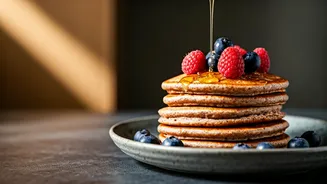
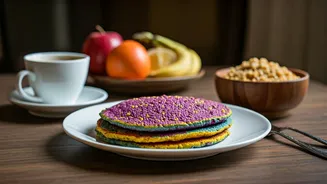
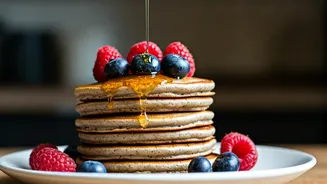
Walk into an urban cafe today, and you're just as likely to find ragi pancakes and jowar-based pizza crusts as you are avocado toast. [4] This isn't a gimmick; it's a culinary revolution. Chefs are creatively integrating these ancient grains into familiar,
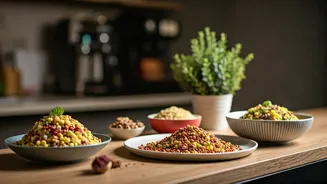
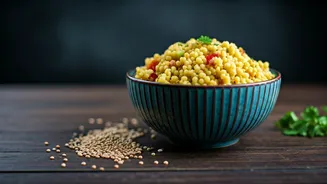
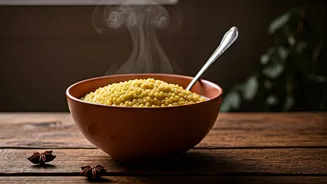
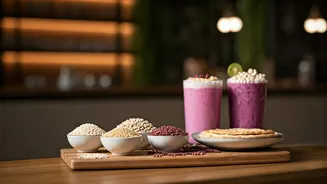
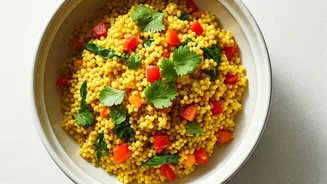
modern formats that appeal to a globalised palate. [4, 5] Think foxtail millet used like couscous in salads, creamy millet risottos, and even millet-based burger buns. [18] Eateries like Delhi’s Café Lota are serving up innovative dishes like ragi vada pav and ragi chicken momos, while Greenr Café offers earthy bowls with barnyard millet. [21] This creative adaptation is making millets more approachable for a new generation of diners who may not have grown up with them, proving that healthy food can be both flavourful and satisfying. [7, 23]
Why Now? A Perfect Blend of Health and Sustainability
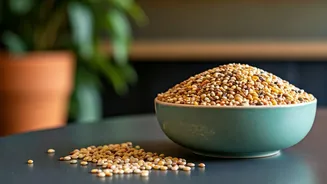
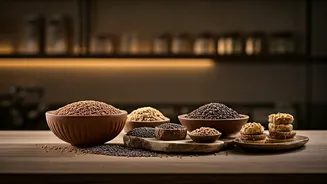
The resurgence of millets is driven by a powerful convergence of trends. Health is a primary factor; modern consumers are shifting their focus from simply cutting calories to functional eating—understanding what food does for the body. [4] Millets are nutritional powerhouses, naturally gluten-free, rich in fibre and essential minerals, and have a low glycemic index, making them ideal for managing blood sugar. [2, 5, 6] Beyond personal health, there's a significant environmental advantage. Millets are climate-smart crops, requiring up to 70% less water than rice and thriving in arid conditions with minimal fertilisers. [2, 3] This makes them a sustainable choice in an era of climate change, supporting both ecological balance and small-scale farmers. [3, 7]
Reclaiming a Lost Heritage
For thousands of years, millets were the backbone of the Indian diet. [3] Archaeological evidence shows they were a staple food during the Indus Valley Civilization and are mentioned in ancient texts like the Vedas. [8, 17] From the ragi mudde of Karnataka to the bajra rotis of Rajasthan, these grains were deeply woven into India's regional cuisines. [2, 8] However, they were largely sidelined by the Green Revolution, which prioritised high-yield wheat and rice, leading to a sharp decline in millet consumption. [20, 27] The current trend is more than just a culinary fad; it's a cultural homecoming. [2, 26] By reintroducing millets, cafes are helping to reconnect modern Indians with their rich agricultural and culinary history. [3]
The Chef's Perspective: A Canvas for Creativity
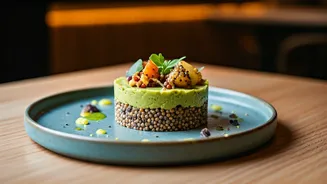
For chefs, millets are a new canvas for innovation. Once considered 'poor man's food', these grains are now appearing on menus in Michelin-starred restaurants. [6, 22] Chefs are excited by the challenge and opportunity that millets present. [12] Their unique, nutty flavours and varied textures allow for a wide range of applications, from South Indian dosas to European-style crepes and risottos. [12, 18] Incorporating millets allows chefs to cater to health-conscious and gluten-intolerant customers while also telling a story about India's agricultural biodiversity. [18, 22] As Chef Vikas Chawla, known as 'The Millet Chef', has demonstrated, these ancient grains can be adapted into everything from sushi to paranthas, proving their incredible versatility. [16] This movement isn't just about reviving an old ingredient; it's about repositioning it for a modern, global audience. [25]