



The City's Hidden Plumbing
Every city has a circulatory system for water known as a stormwater drainage network. This intricate web of gutters, pipes, and channels is designed to do one simple job: collect rainwater and transport it safely away to a larger water body like a river
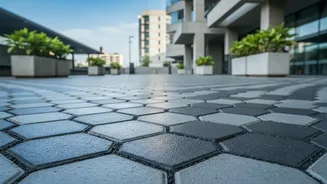
or lake. In a natural landscape, much of the rainwater would simply seep into the ground. But in a city covered with concrete and asphalt, this natural absorption is severely limited. These impervious surfaces mean almost all the rainwater becomes surface runoff, funnelling directly into the drainage system. When this system works as intended, we barely notice it. It’s the silent, unsung hero preventing our urban centres from turning into swamps with every downpour.
Clogged Arteries: The First Point of Failure
One of the most significant and immediate causes of drainage failure is blockages. Our drains are frequently treated as garbage bins. Discarded plastic bags, bottles, food wrappers, and construction debris find their way into the system, creating stubborn clogs. Lightweight plastic waste is particularly notorious; it floats easily, travels through the water, and accumulates at bottlenecks, forming impermeable barriers that prevent water from flowing. Even with regular pre-monsoon desilting efforts, the sheer volume of solid waste dumped into drains can overwhelm municipal cleaning capacities. A study in Guwahati found that 89% of plastics found in drains were non-recyclable types, highlighting the scale of the problem. When a drain is choked, its capacity is drastically reduced, causing water to back up and spill onto the streets, leading to localised flooding from even moderate rainfall.
The Urban Sprawl Effect
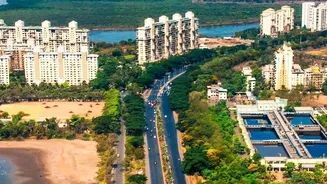
Rapid and often unplanned urbanisation is another primary driver of urban floods. As cities expand, we pave over natural surfaces that once acted as sponges. Parks, wetlands, and lakes historically absorbed huge amounts of rainwater, recharging groundwater and slowing down runoff. Today, many of these critical water bodies have been encroached upon or built over to make way for buildings and roads. This rampant concretisation increases both the volume and velocity of surface runoff, placing an immense burden on drainage systems that were often designed for a much smaller, less developed city. This problem is compounded by the fact that many drainage networks are decades, if not a century, old and simply not equipped to handle the demands of a modern metropolis with a denser population and more intense rainfall.
A Changing Climate Adds Pressure
Climate change is a significant threat multiplier. Scientists have observed a clear trend: rainfall is becoming more intense and concentrated over shorter periods. Instead of several days of steady drizzle, cities are now more likely to experience ferocious downpours that dump a massive amount of water in just a few hours. These extreme weather events generate runoff that exceeds the design capacity of even well-maintained drainage systems. When a drainage network built to handle 50mm of rain in a day is suddenly hit with 150mm in three hours, it's inevitably going to be overwhelmed. This combination of outdated infrastructure and more severe weather creates a perfect storm for devastating urban floods.
The Cascade of Consequences
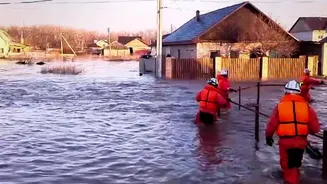
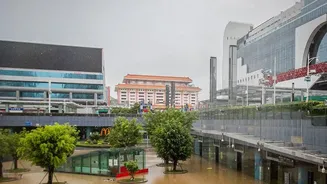
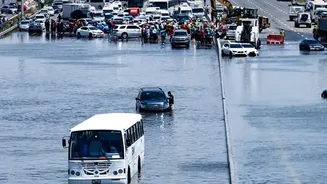
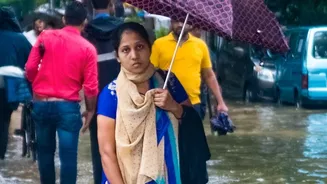
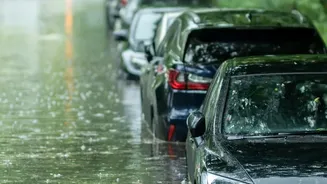
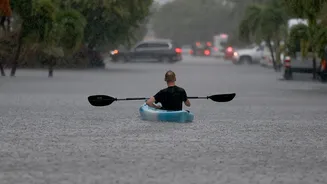
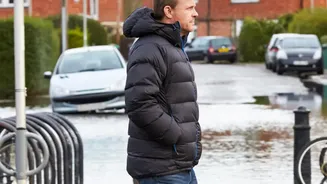
When the drains fail and the streets flood, the impact is felt across society. Waterlogging paralyses transportation, leading to immense economic losses as people are unable to get to work. Homes and businesses are damaged, and essential services are disrupted. There are also severe public health risks, as floodwaters mix with sewage and waste, creating a breeding ground for waterborne diseases. The most vulnerable populations, often living in low-lying areas with the poorest infrastructure, are disproportionately affected, facing displacement and loss of livelihood. Urban flooding is not just an inconvenience; it is a recurring disaster with deep social and economic costs.