






The Shifting Monsoon Calendar
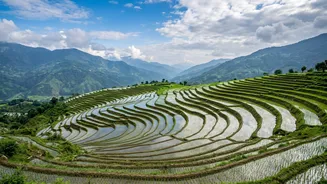
For decades, travellers have considered October the golden month to visit India. It traditionally marks the end of the heavy monsoon rains and the beginning of a pleasant, dry season with lush green landscapes. However, climate change is altering this
rhythm. The southwest monsoon, which typically withdraws completely by mid-October, has shown a tendency to linger. Recent patterns indicate that rainfall can persist, sometimes intensely, through the first few weeks of the month, particularly in southern and eastern India. This year, while the monsoon withdrawal has begun, forecasts suggest an uneven departure, with some regions facing unexpected wet spells. This shift from predictable retreat to erratic showers means that what was once a reliably dry month now requires more careful planning.
Rethinking Mountain and Hill Station Trips
The allure of the Himalayas or the Western Ghats is strong in October, with promises of clear skies and vibrant post-monsoon scenery. However, extended rainfall increases the risks associated with mountain travel. Roads in states like Uttarakhand, Himachal Pradesh, and Sikkim become more vulnerable to landslides and blockages even as the main rainy season officially ends. Unexpected heavy downpours can lead to travel delays, with road closures potentially leaving you stranded. Visibility can also be poor, making driving hazardous. If a mountain trip is on your agenda, it's crucial to build buffer days into your itinerary and avoid travelling on roads at night. Destinations like Ladakh, which lie in a rain shadow area, remain a safer bet for mountainous adventures in October.
What About Beach Destinations?
Goa, Kerala, and the Andaman Islands are popular for their beaches, but a lingering monsoon can dampen the coastal dream. An active late monsoon can bring strong winds, rough seas, and persistent rain, making swimming and water sports unsafe. Many beach shacks and seasonal businesses in places like Goa often wait for the monsoon to fully retreat before opening, so you might find popular spots quieter or closed. Furthermore, the October-December period is also the post-monsoon cyclone season for the Bay of Bengal and the Arabian Sea. While a cyclone is not a daily threat, the potential exists, and it is wise to monitor weather alerts from the India Meteorological Department (IMD) closely, especially if you are heading to the east coast or island territories.
Navigating Cities and Cultural Sites
Even urban travel isn't immune to the effects of a delayed monsoon. A sudden, intense spell of rain in cities like Mumbai, Kolkata, or Chennai can lead to significant waterlogging and traffic chaos, disrupting sightseeing plans. While northern cities like Delhi and Jaipur are likely to be drier, southern and eastern hubs may still experience wet weather. The key issue is not constant rain, but its unpredictability. A day that starts sunny can quickly turn into a downpour, affecting your ability to explore outdoor monuments and markets. It also brings high humidity, which can make travelling feel more tiring. Packing a small, sturdy umbrella and waterproof footwear is a non-negotiable for city explorers this season.
Your Smart Traveller's Checklist for October
Given the weather's unpredictability, smart planning can make all the difference. First, book accommodation and transport with flexible cancellation or rescheduling policies where possible. This provides a safety net if a weather event forces a change of plans. Second, invest in comprehensive travel insurance that covers weather-related disruptions. Third, pack strategically. Lightweight, quick-drying synthetic clothes are far more practical than cotton or denim. A reliable raincoat, waterproof shoes, and a waterproof cover for your backpack are essential. Keep electronics in sealed zip-lock bags. Finally, stay informed. Download credible weather apps and check the IMD's forecasts daily, not just for your destination but for the entire region you're travelling through.