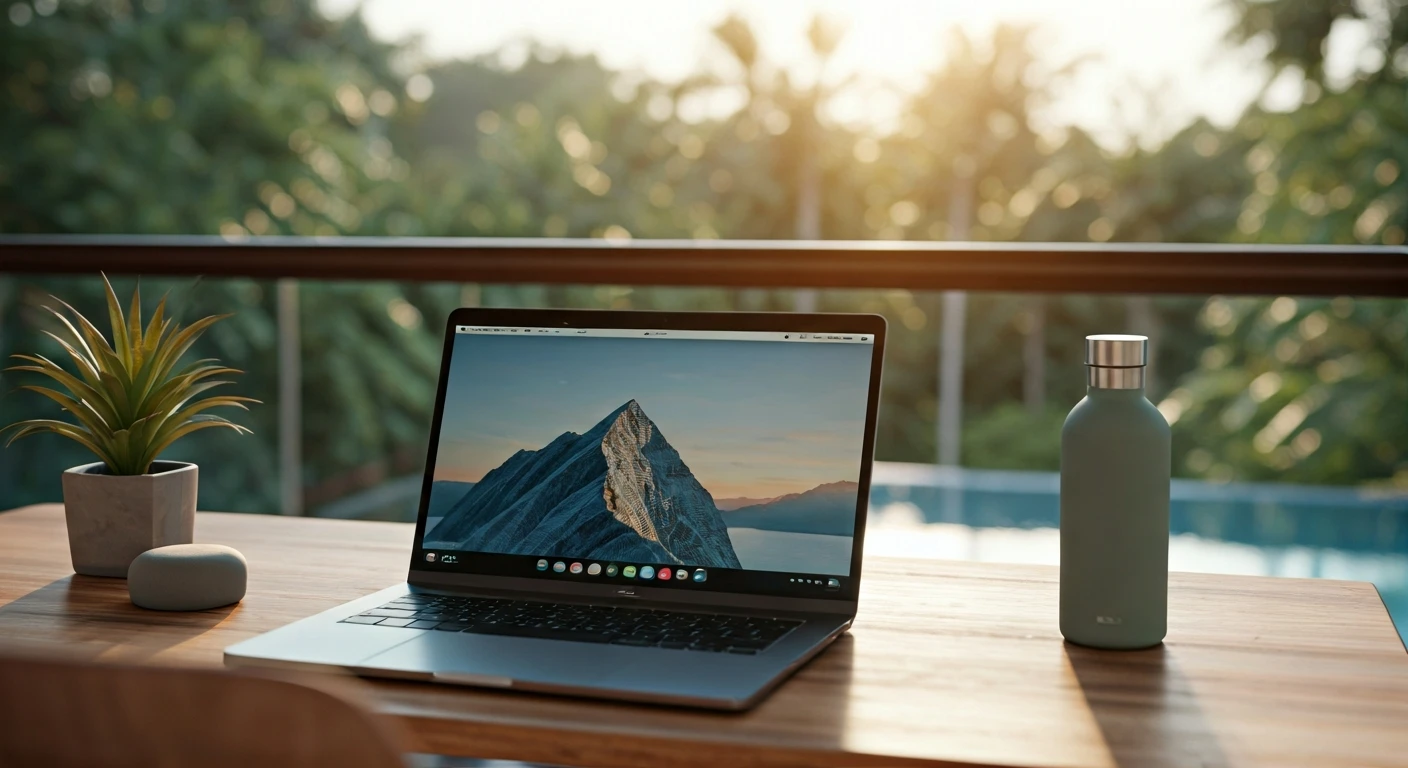









From Digital Nomad Hotspot to Eco-Conscious Hub
For years, islands like Bali have been a magnet for digital nomads, freelancers, and entrepreneurs seeking a better work-life balance. This influx brought economic benefits but also environmental strain, particularly around waste management. The typical
remote work setup—powered by single-use coffee cups, plastic water bottles, and take-out containers—began to clash with the very natural beauty that drew people in the first place. In response, a new generation of entrepreneurs is rethinking the co-working model. They are building spaces that integrate professional needs with environmental responsibility, moving beyond basic amenities to create holistic, sustainable ecosystems for work and community.
What 'Zero Waste' Really Means for a Workplace
The term 'zero waste' can sound extreme, but in practice, it’s about a mindful approach to consumption. For these emerging work hubs, it’s a design philosophy that touches every aspect of their operation. It starts with eliminating single-use plastics entirely. You won’t find plastic straws or disposable water bottles; instead, there are water refill stations and reusable glassware. Food served on-site is often sourced from local, organic farms to reduce food miles and support the local economy. Furthermore, waste is meticulously sorted for composting and recycling. Many of these spaces are built using sustainable materials like bamboo and reclaimed wood, and they incorporate passive cooling designs to reduce their reliance on air conditioning. It’s a comprehensive system designed to minimize environmental footprint.
Pioneers of the Green Shift
This isn't just a theoretical concept; it's happening on the ground. In Ubud, Bali, places like Mana Earthly Paradise offer co-working facilities within a broader 'eco-resort' that features earth-bag villas and a farm-to-table restaurant. Their entire operation is built on permaculture principles. In the bustling coastal town of Canggu, co-working spaces have been integrating green initiatives for years. While the iconic Hubud has since closed, its legacy of community and consciousness lives on. Newer spaces and cafes are now competing on their green credentials, advertising their plastic-free policies and partnerships with local environmental NGOs. These pioneers prove that profitability and sustainability are not mutually exclusive; in fact, for a growing market of conscious consumers, sustainability is the main selling point.
Driven by Demand and Necessity
This shift is being fueled by two powerful forces. On one hand, there is growing demand from a new wave of remote workers. Post-pandemic, many digital nomads are no longer just young backpackers; they are professionals and families who are more discerning about their impact. They actively seek out businesses that align with their values of sustainability and wellness. On the other hand, there's the pressing necessity. Bali's waste crisis is well-documented, with landfills overflowing and plastic pollution threatening its coastlines. Local initiatives like 'Bye Bye Plastic Bags' and 'Zero Waste Bali' have raised significant awareness, creating a fertile ground for businesses that offer a solution, rather than contributing to the problem. These work hubs are a direct market response to both a global mindset and a local crisis.
Building a Community Around Conscious Living
Ultimately, these hubs offer more than just fast Wi-Fi and a guilt-free conscience. They are cultivating communities built on shared values. Their event calendars are filled not just with networking mixers, but with workshops on composting, permaculture, and sustainable living. They organise community beach clean-ups and partner with local artisans and environmental groups. This creates a powerful network effect, where members feel they are part of a meaningful movement. For many, the appeal is not just a desk with a view, but a place where their professional ambitions can coexist with a desire to live more intentionally and make a positive impact on their host community.