


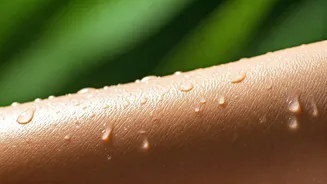


Why Your Skin Acts Up in the Monsoon
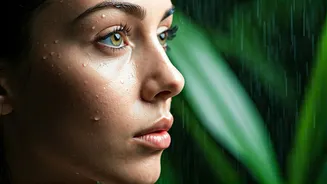
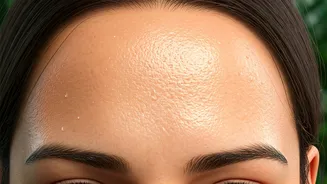
The primary culprit during the monsoon is the spike in humidity. This excess moisture in the air signals your skin to produce more sebum (natural oil), which can lead to a greasy complexion, clogged pores, and acne. [1, 15] This damp, warm environment
is also a perfect breeding ground for bacteria and fungi, increasing the risk of infections like athlete's foot, ringworm, and folliculitis. [12, 17] Your skin's protective barrier can weaken, making it more sensitive and prone to issues like eczema flare-ups. [12, 14] Even your trusted products might feel too heavy or stop working as effectively. [2]
Cleanse Thoroughly, But Gently
With the increased sweat, oil, and grime, cleansing becomes the most crucial step. Dermatologists recommend washing your face twice a day with a gentle, pH-balanced cleanser to remove impurities without stripping the skin's natural oils. [7, 15, 28] Over-washing can backfire, causing your skin to produce even more oil. [28] For those with oily or acne-prone skin, a cleanser containing salicylic acid can be a game-changer, as it helps to unclog pores and keep breakouts at bay. [3, 25] A double cleanse in the evening, starting with micellar water or an oil-based cleanser, can effectively remove stubborn sunscreen and makeup. [25]
Exfoliate Wisely, Not Aggressively
To combat the dullness and pore congestion that monsoon brings, regular exfoliation is key. [15] However, it's important not to overdo it. Aggressive scrubbing can damage your skin barrier, which is already vulnerable this season. [13] Opt for a gentle chemical exfoliant with AHAs (alpha-hydroxy acids) or BHAs (beta-hydroxy acids) once or twice a week. [3, 13] This will help slough off dead skin cells, prevent clogged pores, and allow your skin to breathe without causing irritation. [13, 20]
Switch to a Lightweight Moisturiser
It’s a common myth that you can skip moisturiser when your skin feels oily or the air is humid. In fact, failing to moisturise can dehydrate your skin, prompting it to produce more oil to compensate. [21, 28] The trick is to swap your heavy creams for a lightweight, non-comedogenic (non-pore-clogging) formula. [11, 28] Look for gel-based or water-based moisturisers with ingredients like hyaluronic acid, which provides deep hydration without feeling greasy. [4, 9, 25] This helps maintain a healthy skin barrier and keeps your skin plump and hydrated. [15]
Target Concerns with Potent Serums
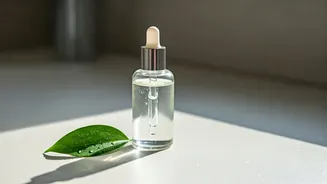
Serums are a great way to deliver a concentrated dose of active ingredients. During the monsoon, certain ingredients are particularly beneficial. Niacinamide is an excellent choice for controlling oil production, improving skin texture, and soothing irritation. [5, 6, 11] Vitamin C serum is another powerhouse antioxidant that helps to brighten dull skin, reduce dark spots, and protect against environmental damage. [5, 21, 25] Just be sure to apply it on dry skin and allow it to absorb fully before layering other products to avoid a sticky or pilling effect in the high humidity. [22]
Never, Ever Skip Sunscreen
Don't let the cloudy skies fool you; harmful UVA and UVB rays can easily penetrate through the clouds and cause significant skin damage, including premature ageing and pigmentation. [3, 15, 18] Applying a broad-spectrum sunscreen with at least SPF 30 is non-negotiable, even when you're indoors. [3, 7] To avoid a heavy, greasy feel, choose a lightweight, gel-based, or matte-finish sunscreen. [9, 15] This is one of the most effective habits for maintaining healthy skin all year round. [28]
Don't Forget Your Body and Feet
Monsoon skin issues aren't limited to your face. The damp conditions make fungal infections more common in skin folds like underarms, the groin, and between the toes (athlete's foot). [10, 12] To prevent this, it's vital to keep these areas dry. Use an antifungal powder after showering, wear loose-fitting, breathable cotton clothes, and change out of wet clothes or damp socks immediately. [12, 17] Also, avoid walking barefoot, even indoors, to minimize exposure to infections. [17]