

The Renaissance of Ancient Grains
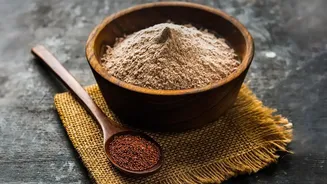
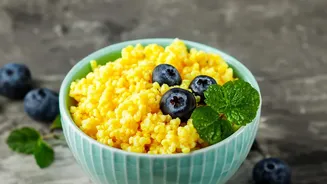
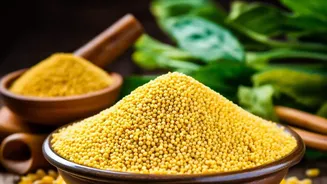
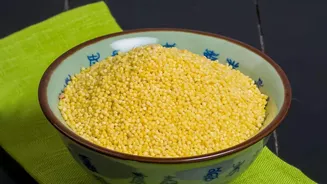
The term 'ancient grains' refers to grains that have been cultivated for centuries and have remained largely unchanged, unlike modern wheat and rice which have been bred for high yields. In India, this means a return to staples like jowar (sorghum), bajra
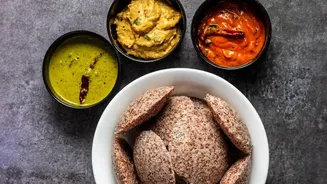
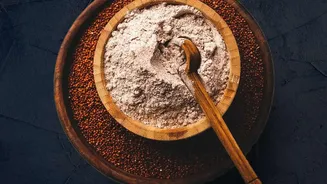
(pearl millet), and ragi (finger millet). These grains, sometimes called Shree Anna or 'sacred grains', were the foundation of Indian diets long before refined flours became commonplace. Their comeback is driven by a growing awareness of their superior nutritional profile and their natural resilience as crops, making them a smart choice for both our health and the environment.
A Micronutrient Powerhouse
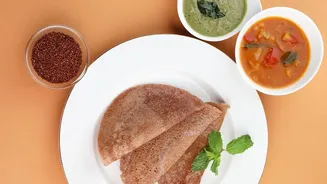
Compared to refined flour (maida), which is stripped of its fibre and nutrients, ancient grains are nutritional powerhouses. They are packed with micronutrients essential for our well-being. For instance, ragi is exceptionally rich in calcium, crucial for bone health. Bajra is a fantastic source of iron, magnesium, and zinc, which support energy levels and immune function. Jowar is loaded with fibre, protein, and antioxidants. All millets are naturally gluten-free and have a low glycemic index, which means they release energy slowly without causing sharp spikes in blood sugar, making them an excellent choice for sustained energy and managing blood sugar levels.
Innovating the Classics: Healthier Savouries
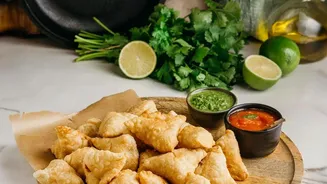
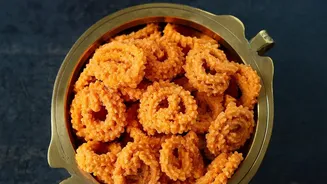
The real magic lies in how these grains are being incorporated into the snacks we already love. This isn't about replacing traditional savouries but elevating them. Imagine a crispy, crunchy murukku (or chakli) made with a blend of rice flour and ragi flour, which not only tastes delicious but also provides a significant calcium boost. Similarly, the classic Gujarati khakhra and Maharashtrian bhakri are finding new life with jowar and bajra flours, increasing their fibre and mineral content. Even deep-fried snacks can be made more wholesome. Creative home cooks and brands are crafting mathri and other savoury bites using a mix of millet flours, often combined with fenugreek (methi) leaves or other spices to create a snack that is both flavourful and nutrient-dense.
Beyond a Simple Flour Swap
Successfully innovating with ancient grains is more than just a one-for-one substitution. These flours have different properties from refined wheat. Millet flours are gluten-free, which affects the texture and binding of doughs. The innovation comes from learning how to work with them. For instance, in recipes for millet rotis or bhakri, hot water is often used to treat the flour, which helps in creating a soft, pliable dough. For snacks like murukku, a combination of millet flour and rice flour can help achieve the perfect crispy texture. Some techniques, like sprouting the grains before milling, can even increase the bioavailability of nutrients, meaning your body can absorb them more easily. This thoughtful approach ensures that the final snack is not just healthier, but also retains the taste and texture that make it a teatime favourite.
Getting Started in Your Kitchen
Bringing these innovations home is surprisingly simple. Start by replacing a small portion of refined or whole wheat flour in your favourite recipes with a millet flour. For example, when making mathri or chakli, try substituting 25% of the flour with ragi or bajra flour. As you get comfortable, you can increase the ratio. Combining different millet flours, such as jowar, bajra, and ragi, can provide a more balanced nutritional profile and complex flavour. These flours are now widely available in local markets and online. By experimenting with these ancient treasures, you can honour tradition while giving your family the gift of superior nutrition, one delicious savoury snack at a time.