




Choosing an outdoor workout for heart health presents fantastic options. Two of the best are uphill hiking and stand-up paddleboarding, but they serve very different goals. One builds peak endurance, while the other offers a gentle full-body challenge.
The Climb: Forging Cardiovascular Endurance
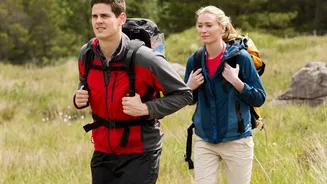
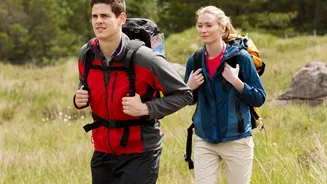
Uphill hiking is a powerhouse for cardiovascular conditioning. When you walk on an incline, you are fighting gravity with every step. This forces your heart and lungs to work significantly harder than they do on flat ground, boosting your heart rate into a vigorous training zone. Studies show that hiking on an incline of just 5% to 10% can increase calorie burn by 30% to 40%. This sustained, high-intensity effort is incredibly effective for building aerobic capacity and endurance. Over time, it strengthens the heart muscle, improves circulation, and increases your body's ability to transport oxygen to your muscles. The muscles involved are primarily in the lower body; the glutes, hamstrings, quadriceps, and calves do the heavy lifting, getting stronger and more powerful with each climb. This makes uphill hiking not just a heart workout, but a formidable lower-body strength session, too.
The Glide: Low-Impact, Full-Body Heart Health
Stand-up paddleboarding (SUP) offers a different, yet equally valid, path to heart health. It is a quintessential low-impact activity, meaning it's gentle on your joints, particularly your knees and hips. This makes it an accessible option for people of all fitness levels, including those recovering from injuries. The workout comes from two sources: propulsion and stabilization. Paddling provides a rhythmic, continuous movement that elevates your heart rate into a moderate-intensity cardio zone, similar to a brisk walk or a light cycle. At the same time, your body is constantly making micro-adjustments to maintain balance on an unstable surface. This fires up your deep core muscles, including your abs, obliques, and lower back, as well as the stabilizing muscles in your legs and feet. The result is a true full-body workout that builds core strength, improves balance, and supports cardiovascular health without the pounding stress of high-impact sports.
Head-to-Head: Intensity, Impact, and Calorie Burn
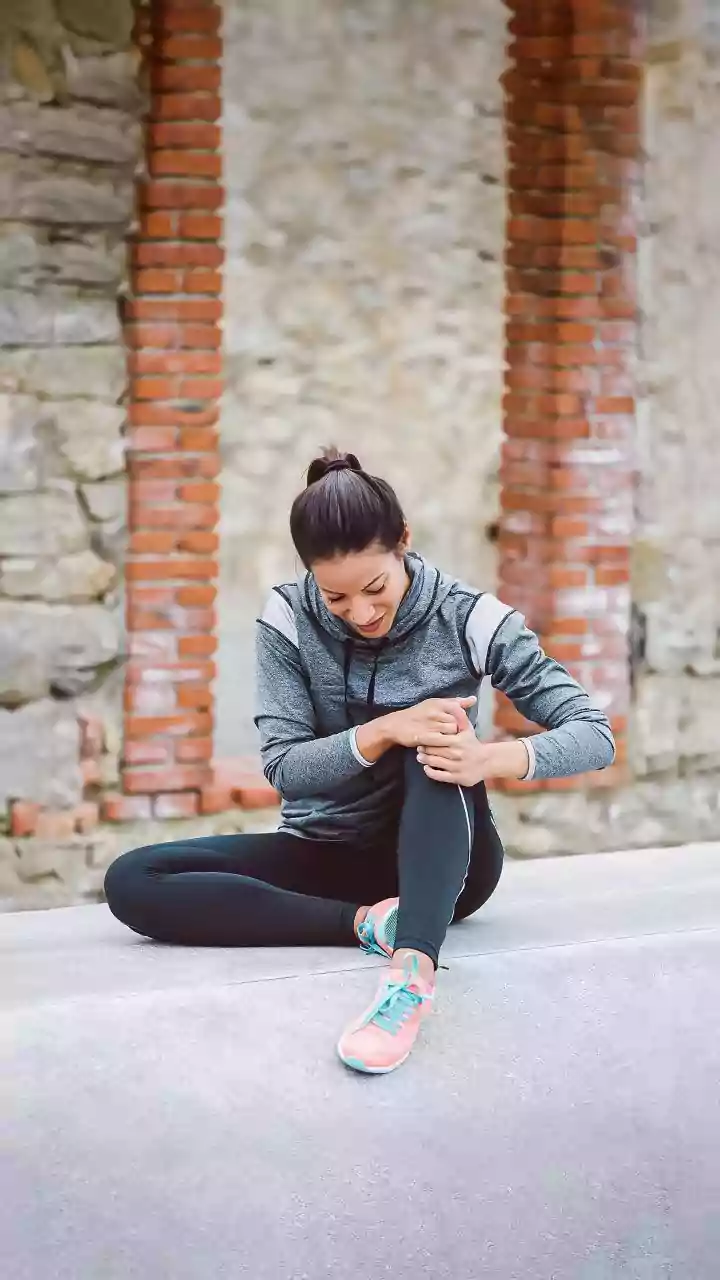
When comparing the two, the main difference lies in intensity versus impact. Uphill hiking is a high-intensity, vigorous exercise designed to push your cardiovascular limits and build peak endurance. However, the descent can be hard on the knees and ankles. Paddleboarding is generally a low-to-moderate intensity workout that is exceptionally low-impact, protecting your joints from stress. In terms of calorie burn, hiking often comes out on top for a given period. A vigorous hike can burn between 400 and 600 calories per hour, especially with a weighted pack. A leisurely paddle burns closer to 300–450 calories per hour. However, more intense forms of SUP, like racing or touring in choppy water, can burn well over 700 calories per hour, putting it on par with running. Ultimately, hiking excels at building raw power and endurance, while paddleboarding shines as a holistic activity that combines cardio, strength, and balance.
Which Outdoor Workout Is Right for You?
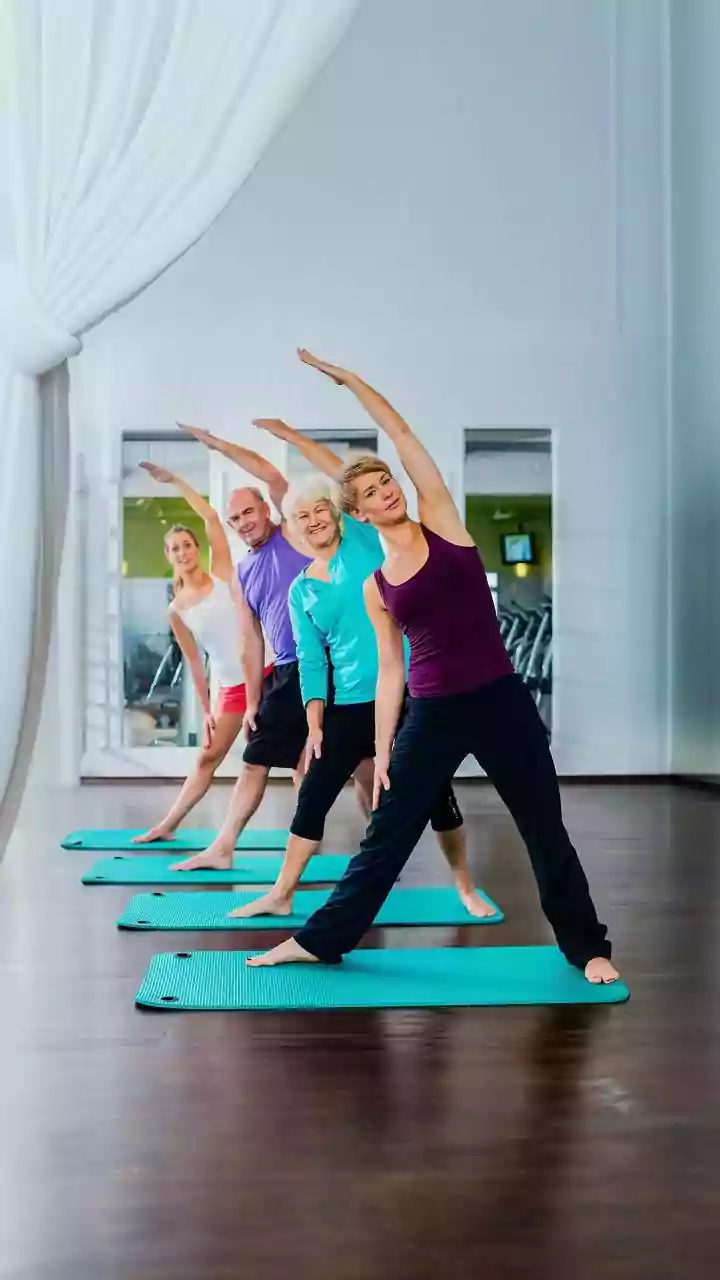
Choosing between uphill hiking and paddleboarding depends entirely on your personal fitness goals and physical condition. If your primary objective is to build serious cardiovascular endurance, train for a race, or maximize calorie burn in a short amount of time, uphill hiking is an excellent choice. It is ideal for those with healthy joints who want to push their physical limits. On the other hand, if you are looking for a full-body workout that strengthens your core, improves balance, and is gentle on your joints, paddleboarding is the superior option. It is perfect for those with knee or hip concerns, individuals new to exercise, or anyone seeking a more meditative, less grueling workout that still offers significant cardiovascular benefits. Both activities also provide the added mental health benefits of being in nature, which can reduce stress and improve mood.