





More Than Just Moving Your Feet
Walking in place, also known as marching on the spot, is exactly what it sounds like: stepping in a rhythmic pattern without moving forward. While it may seem too simple to be effective, it is a legitimate form of exercise that gets your heart rate up,
improves circulation, and burns calories. It is a fantastic option for those days when bad weather, a tight schedule, or safety concerns prevent you from walking outdoors. Because it requires no special equipment and minimal space, it removes many common barriers to staying active, making it an incredibly convenient tool for fitness.
The Surprising Health Benefits
The advantages of walking in place are significant. Firstly, it is a great cardiovascular workout that strengthens your heart and improves blood flow. Secondly, it is a low-impact activity, meaning it is gentle on your joints, making it suitable for beginners, older adults, or anyone with orthopaedic limitations. It also contributes to weight management. Studies show that walking in place can burn a substantial number of calories—one study found an average of 258 calories per hour, compared to about 304 for walking on a treadmill at a moderate pace. Finally, any form of physical activity is a known mood booster, helping to reduce stress and release endorphins.
Technique To Maximise Your Workout
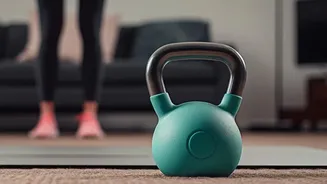
To turn simple marching into a proper workout, focus on your form. Stand tall with good posture, keeping your shoulders relaxed and your core engaged. The key is to lift your knees and actively pump your arms. Swinging your arms not only helps to increase your heart rate and calorie burn but also improves balance and engages your upper body. Aim for a pace where you can feel your heart working. A good benchmark for moderate intensity is around 100 steps per minute. For a greater challenge, try lifting your knees higher, quickening your pace, or even holding light weights to add resistance.
How It Compares to Walking Outdoors
While walking in place is highly effective, it is different from walking outdoors. Outdoor walking offers the benefits of fresh air, changing scenery, and varied terrain like hills, which can increase workout intensity. However, at-home walking provides a controlled, safe environment, free from traffic or uneven surfaces. Ultimately, one is not inherently superior to the other; they are different tools for different circumstances. The effectiveness of any walking workout depends more on intensity and consistency than on location. On days when an outdoor walk is not practical, walking in place is an excellent substitute to keep you moving.
Beat the Boredom and Stay Consistent
The biggest challenge of walking in place can be monotony. To combat this, find ways to make it more engaging. Many people find it easy to walk in place while watching TV, listening to music or podcasts, or talking on the phone. You can also follow along with guided online walking workouts, which often include varied movements and music to keep you motivated. Another effective strategy is to use intervals: alternate between a steady pace and short bursts of high-intensity marching, high knees, or faster steps. Setting a timer or a step goal can also provide a sense of accomplishment and help you stay on track.