







What Is Melon Seed Milk?
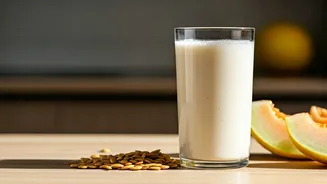
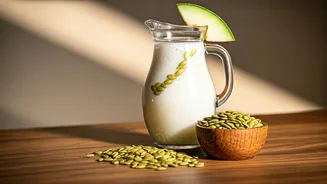
If you've ever scooped out the centre of a muskmelon (kharbuja) or watermelon (tarbooz) and wondered what to do with the seeds, you’ve been holding the key ingredient. Melon seed milk is a plant-based beverage made by blending these seeds with water and then
straining the mixture. The result is a surprisingly creamy, white, milk-like liquid. While it feels new because of its viral status on Instagram and TikTok, the core ingredient—melon seeds, often called 'magaz'—has been a quiet staple in Indian kitchens for centuries, used as a thickening agent for curries, in sweets, and as a base for cooling drinks like thandai. This 'new' trend is actually a modern spin on a very traditional, zero-waste practice.
Why Is It Suddenly Everywhere?
The rise of melon seed milk isn't just about one thing; it's a perfect storm of modern wellness trends. Firstly, there's the growing demand for dairy-free alternatives due to lactose intolerance, ethical concerns, or dietary choices. Secondly, the sustainability and zero-waste movements are gaining huge traction. Making milk from seeds you would otherwise discard is incredibly resourceful and appeals to the eco-conscious consumer. Finally, it’s incredibly accessible. Unlike almonds or cashews, which can be expensive, melon seeds are essentially free if you're already buying the fruit. This combination of health, sustainability, and affordability has made it a darling of food bloggers and home cooks alike.
The Nutritional Powerhouse
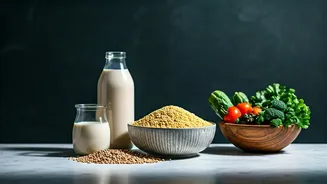
Don't let their small size fool you; melon seeds are packed with nutrients. They are a fantastic source of plant-based protein and are rich in healthy fats, including omega-3 fatty acids. They also contain essential minerals like magnesium, which is crucial for muscle function and nerve health, as well as zinc, iron, and potassium. When you turn these seeds into milk, you're creating a beverage that is naturally low in carbs and free from the lactose and cholesterol found in cow's milk. While it may not have the same calcium and Vitamin D levels as fortified dairy milk unless you add supplements, its natural nutritional profile is impressive on its own.
How Does It Taste and How to Use It?
The most important question for any milk alternative is about taste and texture. Melon seed milk is surprisingly neutral and clean-tasting, with a subtle nutty flavour. It's less overpowering than coconut milk and less 'beany' than some soy milks. Its biggest selling point is its creamy texture, which comes from the natural fats in the seeds. This makes it a fantastic all-rounder. You can pour it over your cereal or muesli, blend it into smoothies for a protein boost, or use it as a base for your morning coffee or chai. Its creamy consistency also holds up well in cooking and baking, making it a versatile substitute for dairy in many recipes.
How to Make Your Own at Home
Ready to try it for yourself? Making melon seed milk is incredibly simple. All you need are melon seeds, water, and a blender. 1. **Collect & Clean:** The next time you cut a muskmelon or watermelon, save the seeds. Rinse them thoroughly in a sieve to remove any fruit pulp and strings. You can use them fresh or dry them in the sun for a few hours (or a low oven) to store for later use. 2. **Soak:** Take about half a cup of melon seeds and soak them in clean water for at least 3-4 hours, or overnight in the fridge. This softens them up, making them easier to blend and resulting in a creamier milk. 3. **Blend:** Drain the soaked seeds and add them to a high-speed blender with 2-3 cups of fresh water (use less water for a thicker, creamier 'creamer' and more for a lighter milk). If you like, you can add a pinch of salt, a splash of vanilla extract, or a pitted date for sweetness. 4. **Strain:** Blend on high for 1-2 minutes until the mixture is smooth and milky. Pour the liquid through a fine-mesh sieve, a cheesecloth, or a nut milk bag to separate the milk from the pulp. Squeeze well to get every last drop. 5. **Store:** Pour your homemade melon seed milk into a clean, airtight bottle and store it in the refrigerator. It's best consumed within 2-3 days.