







The New Darling of Indian Cuisine
For generations, kokum (Garcinia indica) was a regional hero, its sour, slightly fruity flavour defining fish curries and cooling solkadhi along the Konkan coast. Today, it’s breaking free from its geographical confines. Chefs across India are rediscovering
this versatile ingredient, moving it beyond traditional uses. Its clean acidity, which is less heavy than tamarind, is being used to cut through rich ramen broths, balance sweetness in chocolate desserts, and add a uniquely Indian character to everything from ceviche to coffee tonics. This culinary curiosity is driven by a broader movement to celebrate indigenous ingredients, with diners also showing a growing interest in regional flavours they might not have grown up with.
From Coastal Staple to Cocktail Star
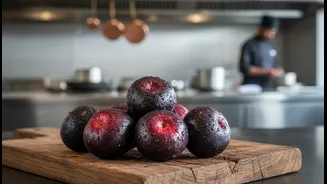
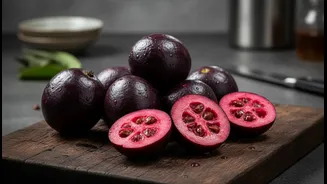
So, what exactly is this fruit that’s capturing the imagination of chefs and bartenders? Kokum is native to the Western Ghats and is related to the mangosteen. Traditionally, the deep purple rind is dried and used as a souring agent, while the fruit is also used to make refreshing syrups. Perhaps its most dramatic modern takeover has been behind the bar. Mixologists are embracing kokum-based syrups and infusions to create cocktails with a distinct sense of place. It pairs beautifully with gin, tequila, and whisky, lending its vibrant colour and complex acidity to innovative new drinks that tell an Indian story.
The Growing Pains of Popularity
This newfound fame, however, comes with significant challenges. For decades, kokum has been a neglected crop, never cultivated systematically like mango or cashew. Much of the supply comes from scattered, unorganised plantations or wild harvesting from kitchen gardens and forests. This makes the supply chain vulnerable. As demand surges, there's a real risk of over-harvesting and placing immense pressure on the ecosystem. Furthermore, post-harvest processing is labour-intensive and often done in unhygienic conditions, especially during the monsoon season when the fruit is harvested, which can compromise quality.
Why Careful Planning is Crucial
The rise of kokum presents a critical opportunity to build a more sustainable and equitable supply chain. "Careful planning" means moving from foraging to farming. This involves promoting organised cultivation, which can ensure a consistent supply without depleting wild sources. There's a need to develop pre- and post-harvesting techniques to improve quality and reduce wastage, as currently, a significant portion of the produce is wasted. Supporting farmers with fair prices and stable demand is also essential. As the industry scales, transparency will be key, allowing chefs and consumers to know the origin of their ingredients and support those who practice sustainable agriculture.
The Role of Chefs and Consumers
Chefs and restaurateurs, as the primary drivers of this trend, have a responsibility to source mindfully. By asking questions about where their kokum comes from and prioritising suppliers who work directly with farming communities, they can help create a positive feedback loop that encourages sustainable cultivation. This shift is already beginning, with some suppliers committing to long-term relationships and fair prices for farmers. As consumers, our curiosity can also play a part. Asking about ingredients and showing interest in their stories encourages restaurants to value provenance. The journey of kokum from a humble coastal fruit to a celebrated modern ingredient is exciting, but its future depends on a collective effort to ensure its growth benefits the communities and ecosystems it comes from.