





1. Bottle Gourd (Lauki)
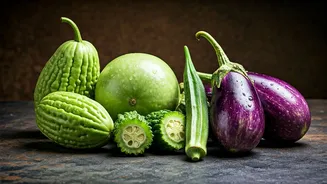
Often overlooked, lauki is a monsoon superstar. Comprised of over 90% water, it’s incredibly hydrating and very easy on the digestive system, a major plus when sluggish digestion becomes common. Rich in fibre, it helps prevent constipation and keeps your
gut healthy. Bottle gourd is also packed with essential minerals like sodium, potassium, and iron, which help replenish what's lost through sweat in the humid weather. Because it’s low in calories and fat, it’s a perfect addition to any meal. How to use it: Lauki is versatile. You can make a simple sabzi with cumin and turmeric, blend it into a soup, or even grate it to make koftas. When buying, choose a gourd that is firm, pale green, and free from blemishes or soft spots. Always wash it thoroughly and peel before cooking.
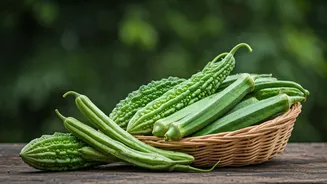
2. Bitter Gourd (Karela)
Don’t let its bitter taste put you off. Karela is a powerhouse of nutrients that are especially beneficial during the rainy season. It's loaded with antioxidants and vitamins A and C, which are crucial for bolstering your immune system against common monsoon infections like the cold and flu. Traditional medicine has long valued bitter gourd for its blood-purifying properties and its ability to help manage blood sugar levels. Its antimicrobial properties also help in fighting off skin infections that can flare up in the damp climate. How to use it: To reduce its bitterness, you can scrape the skin, remove the seeds, and salt the pieces for about 30 minutes before rinsing and cooking. A classic preparation is bharwa karela (stuffed bitter gourd) or a simple stir-fry with onions and spices.
3. Pointed Gourd (Parwal)
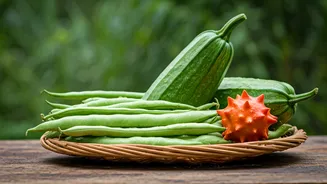
Parwal is another humble vegetable that shines during the monsoon. It's rich in fibre, which aids digestion and helps keep the gut clean. Packed with vitamins A and C, it contributes to a robust immune system. Pointed gourd is also known to be effective in purifying the blood and keeping flu, cough, and headaches at bay. Its low-calorie nature makes it an excellent choice for those watching their weight. Being a vine-grown vegetable, it's generally less exposed to soil-based contamination compared to root vegetables or low-lying greens. How to use it: Look for firm, small-to-medium-sized green parwal. It can be used in curries, fried as a side dish (bhujia), or stuffed with a masala paste. Its subtle flavour allows it to absorb the spices it's cooked with beautifully.
4. Sweet Potato (Shakarkandi)
While we often associate root vegetables with winter, sweet potatoes are a fantastic choice for the monsoon. They are a great source of complex carbohydrates, providing sustained energy. More importantly, they are incredibly rich in fibre and beta-carotene, a precursor to Vitamin A, which is vital for immunity and vision. A strong immune system is your best friend during this season of infections. Shakarkandi is also a good source of Vitamin C and manganese, further supporting your body's defence mechanisms. Its high fibre content promotes a healthy digestive tract. How to use it: The best way to enjoy sweet potatoes is by roasting or boiling them, which preserves their nutrients. A simple sprinkle of chaat masala and lemon juice makes for a delicious and healthy snack. Avoid deep-frying to keep it light and beneficial.
5. Indian Squash (Tinda)
Tinda, also known as round gourd or apple gourd, is a mild-flavoured vegetable that is particularly suited for monsoon consumption. Like bottle gourd, it has a high water content and is easy to digest, preventing feelings of heaviness or bloating. It’s a good source of antioxidants and has anti-inflammatory properties, which can help soothe the digestive tract. Tinda is also known to help with minor urinary tract issues, which can sometimes be aggravated by the season. Its gentle nature makes it a safe choice for people of all ages, including those recovering from illness. How to use it: Select small, tender, and bright green tinda. It tastes wonderful in a light, tomato-based gravy or simply stir-fried with minimal spices. Its mild flavour makes it a great canvas for other ingredients.
A Word of Caution on Greens
While leafy greens are generally healthy, it's wise to be extra cautious during the monsoon. The high humidity and moisture create a breeding ground for germs, mud, and worms on the leaves of vegetables like spinach, cabbage, and cauliflower. If you do choose to eat them, ensure they are washed meticulously. Soaking them in a solution of salt water or vinegar-water for 15-20 minutes before a final rinse can help dislodge impurities. It's also best to cook these vegetables thoroughly rather than consuming them raw in salads, as heat helps kill any lingering microbes.