





Beyond the Plate: What Is Immersive Dining?
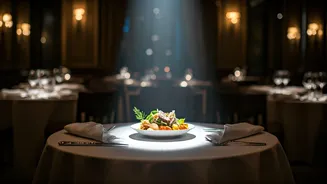
Forget simply choosing from a menu in a nice room. Immersive dining is a multi-sensory culinary journey that combines food with a narrative. It engages sight, sound, smell, and touch to transport guests into a carefully crafted world. Think of it as dinner
theatre where the food is a central character. Experiences can range from dining in a room with 360-degree projections that change with each course to meals that unfold as part of a story with live actors. It’s a departure from traditional dining, focusing on creating a holistic experience where the environment, atmosphere, and interactive elements are as important as the cuisine itself. The goal is to turn a meal into an event, making diners active participants rather than passive consumers.
Designed for the Digital Age
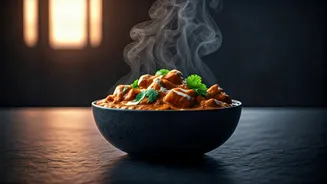
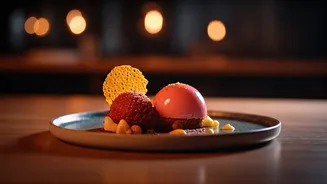
In an era where the “camera eats first,” immersive dining is perfectly staged for social media. The visual spectacle—from projection mapping that turns a table into an animated canvas to dishes that arrive with theatrical smoke—is engineered to be captured and shared. Restaurants are creating moments specifically designed to become viral content on platforms like Instagram and TikTok. This isn't an accident; it's a core part of the business model. Over 70% of diners aged 18-35 report documenting these experiences online, which in turn fuels demand. The vibrant colours, artistic plating, and unique settings provide the perfect backdrop for a stunning Reel or photo, satisfying a modern diner’s desire for unique, shareable content.
More Than a Post: Crafting Lasting Memories
While the social media appeal is undeniable, the power of immersive dining goes deeper than a fleeting post. By engaging multiple senses, these experiences create stronger, more vivid memories. The field of neuro-gastronomy studies how sensory inputs influence our perception of taste; for example, certain sounds can make food seem sweeter, or a specific scent can enhance flavour. When a meal is tied to a story, a specific soundscape, or a tactile sensation, it embeds itself in our memory more deeply than taste alone. It transforms dining from a functional act into an emotional journey, creating a personal connection that a standard restaurant visit often lacks. It’s about leaving with a story to tell, not just a photo to post.
The Trend Takes Root in India
India, with its rich history of storytelling and vibrant culinary traditions, is embracing experiential dining with enthusiasm. In cities like Delhi and Mumbai, restaurants are blending gastronomy with performance, art, and technology to cater to a new generation of diners who seek more than just good food. Establishments are offering everything from theatrical dining where the meal is part of a play, to venues that use digital art galleries as a backdrop for dinner. This trend aligns with a broader shift in the Indian market, where affluent consumers increasingly value unique experiences over material goods. Concepts like farm-to-table tasting menus that tell the story of local ingredients and modern interpretations of regional cuisine in a sophisticated setting are becoming a major draw.
The Future of Feasting
Immersive dining is more than a passing fad; it reflects a fundamental change in what we expect from a night out. As technology advances, we can anticipate even more integration of augmented and virtual reality, allowing diners to be transported to fantasy worlds without leaving their seats. However, the key to its longevity will be balancing spectacle with substance. The most successful experiences will be those that use technology and theatrics to enhance, not overshadow, the core elements of great food and genuine human connection. It’s about using every tool available to create a moment that feels both extraordinary and authentic—a feast for all the senses that lingers long after the plates are cleared.