







Beyond the Buzzword: What Is Seasonal Eating?
At its core, seasonal eating is the practice of consuming foods at their natural time of harvest. It’s about aligning your plate with nature’s rhythm. When produce is picked at its peak, it is fresher, more flavourful, and packed with nutrients. Fruits
and vegetables that are allowed to ripen naturally develop a fuller taste compared to those picked early and shipped across long distances. Think of the juicy sweetness of a mango in the summer versus a hard, flavourless one in the winter. This approach isn't about rigid rules but about paying attention to what is abundant and fresh right now in your region, turning your grocery shopping into a celebration of the present moment.
A Natural Cure for the Dinner Rut
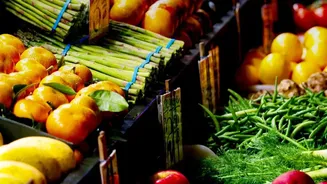
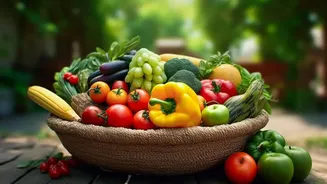
If you feel stuck eating the same few meals on repeat, seasonality is the perfect antidote. Each season brings a new palette of ingredients, naturally encouraging variety in your diet. Winter offers hearty root vegetables like carrots and beets, along with leafy greens like spinach. Spring introduces tender asparagus, peas, and radishes. Summer brings an abundance of tomatoes, cucumbers, and berries, while autumn delivers pumpkins and sweet potatoes. This constant rotation doesn’t just make meals more interesting; it ensures you get a wider range of vitamins, minerals, and antioxidants throughout the year. By embracing what each season offers, you diversify your nutrient intake without even trying.
The Smart Economics of Availability
The law of supply and demand is your best friend when it comes to seasonal eating. When a fruit or vegetable is in season, it's abundant, and this surplus drives prices down. Shopping for produce that is plentiful means you get the best quality for the lowest cost. Out-of-season items have to travel long distances, requiring significant energy for transportation and storage, costs that are ultimately passed on to you, the consumer. By focusing on what is currently being harvested locally or regionally, you not only save money but also support local farmers and reduce your food's environmental footprint.
Your Guide to Smarter Kitchen Planning
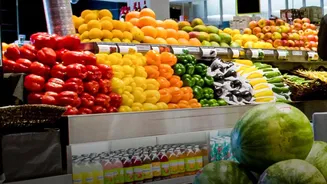
Seasonal eating simplifies, rather than complicates, meal planning. Instead of starting with a rigid recipe, you start with what’s fresh and available. A great first step is visiting a local farmers' market to see what's on offer. Build your meals around a few core staples—like grains, proteins, and your favourite sauces—and then add the seasonal produce you find. For example, a basic sheet-pan dinner template can work year-round; just swap the vegetables based on the season. In summer, use zucchini and bell peppers; in winter, use sweet potatoes and broccoli. This flexible approach encourages creativity and reduces the pressure to follow complex recipes exactly.
Putting It All Into Practice
Starting is easier than you think. You don’t need to change everything overnight. Begin by learning what’s in season in your region this month. Challenge yourself to try one new seasonal vegetable each week. Learn simple preparation methods, like roasting or steaming, that let the fresh flavours shine. You can also think about preservation. If you find an abundance of a seasonal favourite at a great price, consider freezing or canning some for later. This allows you to enjoy the taste of the season long after it has passed. By taking small, manageable steps, you can gradually shift your habits and discover the rhythm and reward of seasonal cooking.