





Your Body's Natural Air Conditioner
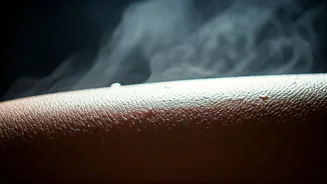
Your body has a brilliant, built-in cooling system: sweating. [11] As that sweat evaporates from your skin, it takes heat with it, effectively cooling you down. [8, 11, 17] This process of evaporative cooling is incredibly efficient—as long as the sweat can
actually evaporate. [15] Think of it like a perfectly functioning air conditioner that keeps your body's temperature remarkably stable, even on a hot day. [6, 8]
How Humidity Throws a Wrench in the Works
High humidity sabotages this cooling process. Humidity is simply the amount of water vapor already present in the air. [3, 11] When the air is saturated with moisture—as it is on a humid day—there's little to no room for your sweat to evaporate into. [3, 12, 14] The evaporation rate drops sharply once relative humidity climbs above 60%. [1, 2] As a result, the sweat just sits on your skin, unable to provide its cooling effect. [11, 14] This is why an 88°F day with 85% humidity can feel like 110°F; your body's natural air conditioning system has essentially shut down. [8]
The Dehydration Double-Whammy
Here's where the real danger lies. Because your body isn't cooling down, its response is to produce even more sweat in a desperate attempt to regulate its temperature. [1, 4] This creates a dangerous cycle: you're continuously losing fluids and essential minerals without getting the cooling benefit. [1] This accelerated fluid loss can lead to dehydration much faster than in dry heat. [1] Your heart rate climbs, your core temperature can rise, and you feel more fatigued as your body works harder and harder. [1] You are losing fluid continuously, yet getting less cooling for every drop you lose. [1]
Don't Underestimate Electrolyte Loss
Sweat isn't just water; it's also packed with vital minerals called electrolytes, such as sodium, potassium, and magnesium. [6, 10] These are crucial for nerve function, muscle contractions, and maintaining your body's fluid balance. [1] In hot, humid conditions, you can lose between one to two liters of sweat per hour, taking significant amounts of electrolytes with it. [2] Losing these minerals makes it harder for your body to absorb the water you do drink, which is why simply chugging plain water sometimes isn't enough to rehydrate effectively. [1, 2]
Recognizing the Signs
Thirst isn't always the first or most reliable indicator of dehydration, especially in humid conditions. [4, 7] Early warning signs can be subtle and easily dismissed as just feeling tired from the heat. Look out for fatigue, headaches, dizziness, muscle cramps, and dark-colored urine. [2, 6, 7] Dry skin, a rapid pulse, and confusion can signal more severe dehydration. [2, 7] Paying attention to these symptoms is critical for preventing heat-related illnesses like heat exhaustion or heatstroke. [7]
Smarter Hydration Strategies for Humid Days
Staying hydrated in the humidity requires a proactive approach. Start hydrating two to three hours before heading out into the heat by drinking two to three cups of water. [1] Once outside, aim to drink about a cup every 15-20 minutes. [1] It’s about consistency, not desperation when you finally feel thirsty. [1] For workouts or activities lasting over an hour, it's essential to replenish electrolytes with a sports drink, coconut water, or electrolyte-enhanced water. [3, 4] You can also get electrolytes from foods like bananas, avocados, and citrus fruits. [1, 10] Also, consider what you wear; lightweight, moisture-wicking fabrics can help sweat evaporate more effectively than materials like cotton. [3, 8]