





Hibiscus (Gudhal)
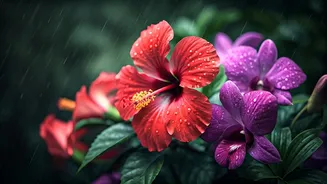
A quintessential Indian garden favourite, the Hibiscus truly comes into its own during the monsoon. The increased humidity and regular watering encourage lush foliage and a profusion of its large, vibrant blooms. Available in a spectrum of colours from
fiery red and bright yellow to delicate pink and white, it adds a tropical touch to any space. Hibiscus loves the rainwater but ensure its pot has excellent drainage to prevent root rot. A spot that receives at least four to five hours of morning sunlight is ideal. The rains can sometimes wash away nutrients from the soil, so supplementing with a balanced organic fertiliser once a month will keep it flowering generously.
Balsam (Impatiens balsamina)
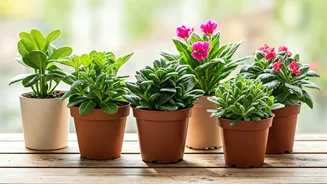
Often called the 'monsoon flower', Balsam is an annual plant that seems to wait for the rains to burst into life. Its delicate flowers, which look like tiny roses, pop up all along its stems in shades of pink, purple, red, and white. Balsam seeds are best sown just as the monsoon begins, and they germinate quickly in the damp soil. These plants love moisture and partial shade, making them perfect for balconies or garden beds that don't get harsh, direct sunlight. They require very little care; just ensure the soil remains consistently moist. Their rapid growth and cheerful blooms make them a rewarding choice for beginner gardeners.
Periwinkle (Sadabahar)
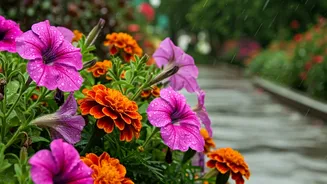
True to its Hindi name 'Sadabahar' (ever-blooming), this hardy plant flowers throughout the year but puts on a particularly robust display during the wet season. It’s incredibly resilient and drought-tolerant, but it also handles the monsoon showers with grace. Its glossy green leaves and simple, charming flowers in white or shades of pink and mauve provide a constant splash of colour. Periwinkle is low-maintenance and can grow well in a variety of soil types, as long as the drainage is good. It's an excellent choice for ground cover, borders, or pots, and it thrives in full sun to partial shade, unfazed by heavy downpours.
Marigold (Genda)
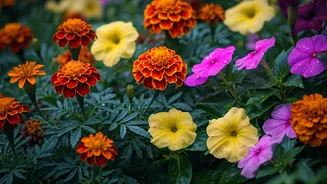
No Indian festival or celebration is complete without the cheerful presence of marigolds, and the monsoon is the perfect season to grow them. The cooler temperatures and moist conditions are ideal for their growth. From pom-poms of bright orange and yellow to smaller French marigolds in deep reds, they are easy to grow from seeds or saplings. They act as a natural pest repellent, protecting other plants in your garden. Plant them in well-draining soil in a sunny spot. While they love water, avoid letting water stagnate around their roots, as this can lead to rot. Deadheading the spent flowers will encourage a continuous bloom cycle right through the season.
Spider Lily (Hymenocallis)
If you’re looking for something dramatic and elegant, the Spider Lily is a spectacular choice for the monsoon. These bulbous plants produce stunning, fragrant white flowers with long, spindly petals that resemble a spider's legs. They typically bloom in response to rain, often emerging just after the first few heavy showers. Plant the bulbs in a spot with partial shade and rich, well-draining soil. They are relatively low-maintenance and will multiply over the years, giving you a bigger, more beautiful display each monsoon. Their unique shape and lovely fragrance make them a standout addition to any garden bed or large container.
Monsoon Cassia (Cassia fistula)
Also known as the Golden Shower Tree, this plant is a showstopper. While it starts blooming in the hot summer months, its display often continues and intensifies with the arrival of the monsoon. The tree becomes laden with long, drooping clusters of brilliant yellow flowers, creating a breathtaking 'golden shower' effect. While it’s a tree, it can be grown in large containers on a terrace or in smaller gardens. It loves full sun and the ample water provided by the monsoon. The sight of a Cassia in full bloom against a grey, rainy sky is one of the most beautiful spectacles of the season, attracting bees and butterflies to your garden.