





The Science of Sending Bad Vibes
It sounds like something out of a movie, but the principle is grounded in a field called biotremology—the study of how organisms use vibrations. Many insects don't just rely on sight, smell, or sound; they communicate through subtle, substrate-borne vibrations. They
send these tiny tremors through leaves and stems to find mates, warn others of danger, or locate prey. By introducing a constant, disruptive vibrational "noise" into this environment, farmers can effectively jam the insects' communication channels. Imagine trying to have a quiet conversation in the middle of a rock concert—it’s impossible. This constant interference makes it difficult for pests to mate, feed, or even settle on a plant, encouraging them to leave the area without the use of a single drop of pesticide.
From the Lab to the Rooftop
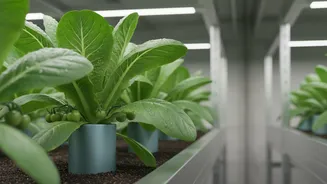
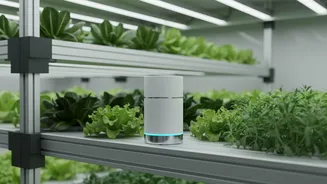
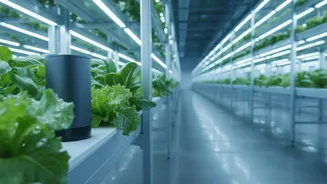
The technology itself is surprisingly straightforward. Researchers and innovators use devices called shakers or exciters—essentially specialized vibration motors. In a vineyard, for instance, a shaker can be attached to the trellis wires that support the grapevines. The vibrations travel down the wires and through the plants, creating a zone of disruption. For urban farms, which might exist in raised beds, on rooftops, or in vertical setups, the application is similar. Small shakers can be connected to the plant containers or the structures holding them. These devices are often powered by solar panels, making them a sustainable, off-grid solution. The vibrations are typically low-frequency, sometimes below the range of human hearing, so they don't create an annoying audible buzz for the farmers or their neighbors.
Who Hates These 'Good' Vibrations?
This method isn't a silver bullet for every pest, but it's highly effective against insects that rely heavily on vibrational signaling. Leafhoppers are a primary target and the focus of much successful research, with studies showing that mating can be drastically reduced when disruptive signals are present. Whiteflies, which are a major nuisance in greenhouses and indoor farms, also use vibrations during mating and can be managed this way. The research is expanding to other pests like the brown marmorated stink bug. An exciting aspect of this technology is its specificity. Because beneficial insects like bees don't use these same vibrational channels for communication, the method can target pests without harming pollinators or predatory insects that help keep the ecosystem in balance.
Is This the Future of Urban Pest Control?
The potential is enormous, especially for organic and urban growers. Vibrational pest control offers an eco-friendly alternative to chemical sprays, which can be problematic in populated areas and for consumers who want clean produce. It leaves no residue and pests are less likely to develop resistance compared to chemical pesticides. However, there are limitations. The primary challenge is energy consumption and scale. While solar power helps, running shakers across a large area can be energy-intensive. Furthermore, the effectiveness can be limited by the material of the plant structure and how well vibrations travel. Most commercial applications are still in development, with much of the current use happening in experimental settings in vineyards and orchards. So, while you may not find these devices at your local garden center just yet, they represent a significant step toward a more sustainable and intelligent way of managing pests.