


1. Chia Seeds: The Fibre Powerhouse
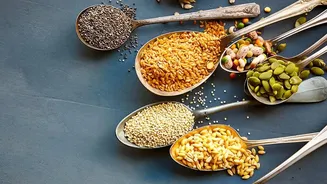
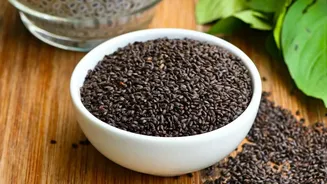
Chia seeds are exceptionally rich in soluble fibre, which is a game-changer for slowing digestion. When mixed with liquid, these tiny seeds form a gel-like substance in your stomach. This gel slows the breakdown of carbohydrates and the absorption of sugar
into the bloodstream, helping to prevent the rapid glucose spikes that can occur after a meal. Two tablespoons contain about 10 grams of fibre, a significant portion of the daily requirement. This high fibre content also promotes a feeling of fullness, which can aid in weight management—a key aspect of diabetes control. To incorporate them, try soaking a tablespoon in water and adding them to your morning oatmeal, dahi, or a smoothie.
2. Flax Seeds: Rich in Lignans and Healthy Fats
Flax seeds, or 'alsi', are another excellent choice due to their high content of fibre, alpha-linolenic acid (ALA), and lignans. The soluble fibre in flax seeds works similarly to chia seeds, slowing digestion and leading to a more gradual release of glucose. Studies have suggested that regular consumption of flax may improve insulin sensitivity and lower fasting blood sugar levels. The lignans in flax seeds are powerful antioxidants that may also contribute to better blood sugar control. For your body to fully absorb these nutrients, it is best to consume flax seeds in their ground form. Sprinkle a tablespoon of ground flaxseed over your porridge, blend it into a breakfast smoothie, or mix it into the batter for cheela or dosa.
3. Pumpkin Seeds: A Magnesium Boost
Pumpkin seeds are a fantastic source of magnesium, a mineral that plays a vital role in over 300 bodily processes, including the regulation of blood sugar levels. Diets rich in magnesium are associated with a lower risk of type 2 diabetes, and some research suggests the mineral may improve insulin sensitivity. These seeds also provide a healthy dose of fibre, protein, and unsaturated fats, a combination that slows down digestion and contributes to stable energy. Their low glycemic index makes them a safe and beneficial snack for people with diabetes. Enjoy a small handful of roasted, unsalted pumpkin seeds on their own or sprinkled over a bowl of yogurt or upma for added crunch and nutrition.
4. Sunflower Seeds: Packed with Protein and Healthy Fats
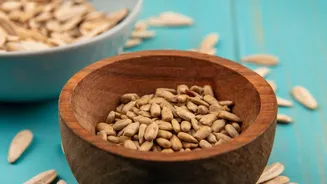
With a low glycemic index, sunflower seeds have a minimal impact on blood sugar levels. Their power lies in their high concentration of protein and healthy fats, which significantly slow down gastric emptying. This means that after you eat them, the food in your stomach is processed more slowly, leading to sustained energy and preventing abrupt glucose surges. They are also a good source of Vitamin E, an antioxidant, and other beneficial plant compounds. Some studies have even shown that daily consumption of sunflower seeds can lead to a notable decrease in fasting blood sugar levels over time. Add a tablespoon of unsalted sunflower seeds to salads, trail mixes, or sprinkle them on top of your breakfast cereal.
5. Sesame Seeds: Small but Mighty
Sesame seeds, or 'til', have been studied for their potential to improve glycemic control. They contain unique compounds like sesamin and are a good source of fibre and healthy fats, which contribute to slowing down the absorption of glucose from your meal. Research suggests that sesame may enhance the effectiveness of some type 2 diabetes medications and help lower blood sugar levels. The healthy fats and antioxidants in sesame seeds also support heart health, which is a crucial consideration in diabetes management. You can easily add sesame seeds to your diet by sprinkling them over poha, adding them to homemade granola, or using tahini (a paste made from sesame seeds) as a base for a savoury breakfast dip.