



The Unsung Architect of Two World Cups
Every great Indian cricket triumph has an iconic final image. In 2007, it was Misbah-ul-Haq's scoop into Sreesanth's hands. In 2011, it was MS Dhoni's six soaring into the Mumbai night. But before those moments, Gautam Gambhir was the anchor. In the 2007 T20
World Cup final against Pakistan, he crafted a superb 75 off 54 balls when other batsmen struggled, single-handedly pushing India to a competitive total of 157. Four years later, in the 2011 ODI World Cup final, India was in deep trouble at 31 for 2, chasing 275. Gambhir walked in and weathered the storm, building crucial partnerships first with Virat Kohli and then with Dhoni. He fell for a heartbreaking 97, but his innings was the bedrock upon which India's historic victory was built. In both finals, he was India's top scorer, the silent hero of the nation's biggest victories.
The King of Kolkata
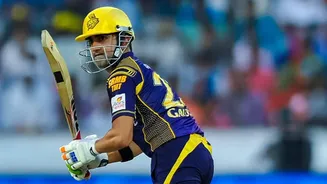
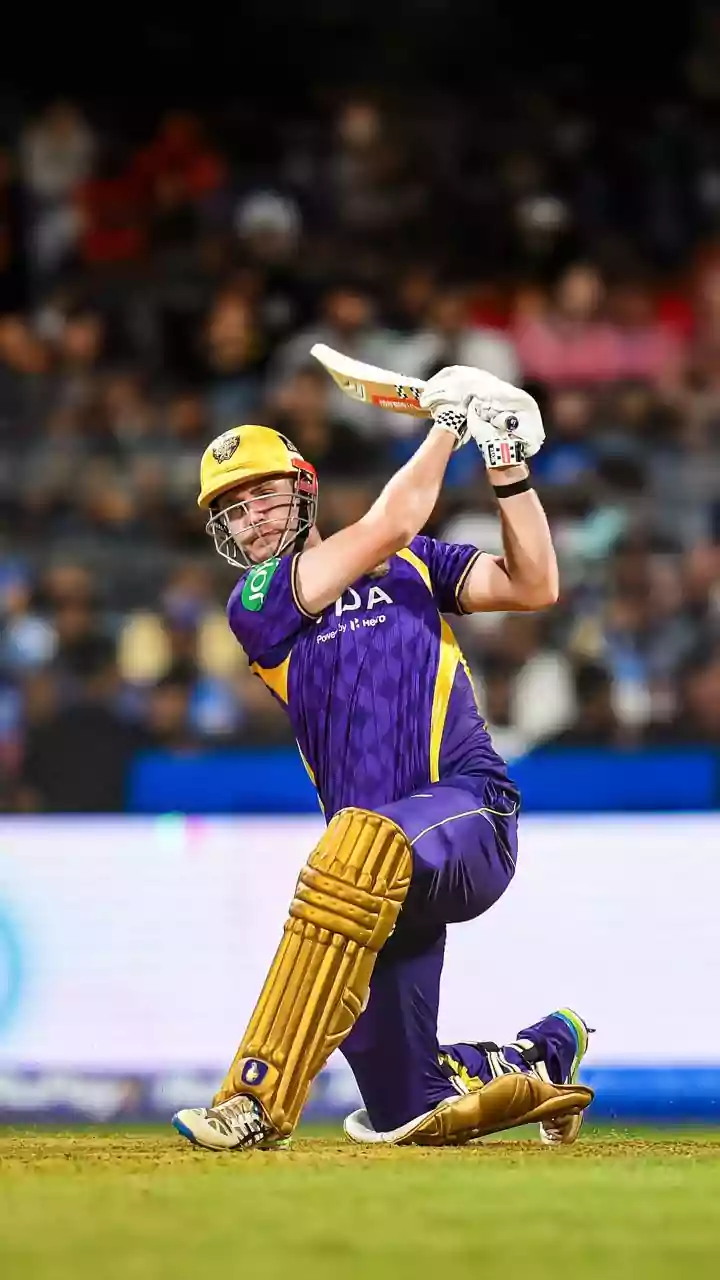
When Kolkata Knight Riders (KKR) acquired Gambhir for a record-breaking sum in 2011, they weren't just buying a batsman; they were buying a leader. He inherited a team of superstars that had consistently underperformed and transformed them into a formidable unit. His captaincy was aggressive, intuitive, and demanding. He led from the front, turning KKR into a powerhouse that clinched the IPL title twice, in 2012 and 2014. Under his leadership, KKR also recorded a streak of 10 consecutive wins, a testament to the winning culture he instilled. His tenure at KKR is considered one of the most successful captaincy stints in IPL history, cementing his legacy not just as a player, but as a revolutionary leader.
A Fiercely Combative Spirit
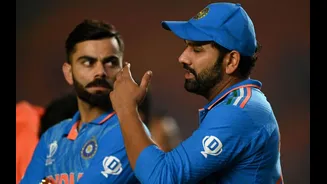
Gambhir's greatest strength—his passion—was also the source of his most significant lows. He was a relentless competitor who never backed down, which often led to on-field confrontations. His career is marked by heated exchanges with players like Shahid Afridi, Shane Watson, and most famously, Virat Kohli. These incidents painted him as an 'angry young man', a player whose temper sometimes overshadowed his talent. While his aggression often channelled into match-winning performances, the verbal spats and fines were a recurring low point. For Gambhir, however, he has maintained these were battles fought in the heat of the moment, driven by a desire to win, and never personal.
The Test Peak and the Gradual Fade
Beyond the white-ball heroics, Gambhir was a formidable Test cricketer. For a period, he formed a devastating opening partnership with Virender Sehwag. In 2009, his stellar form, which included scoring centuries in five consecutive Test matches, saw him crowned the ICC Test Player of the Year and ranked the world's number one Test batsman. His epic, match-saving 137 against New Zealand in Napier in 2009, where he batted for nearly 11 hours, is a classic example of his grit. However, following the 2011 World Cup, his form began to wane. A string of low scores led to his exclusion from the national side across formats. Despite brief comebacks, he could never fully reclaim his spot, and a career that had reached dizzying heights slowly faded before he announced his retirement in 2018.
A New Innings Beyond the Boundary
Retirement did not mean a quiet life for Gambhir. He transitioned into public service, winning a seat in the Lok Sabha as a Member of Parliament for East Delhi in 2019. Simultaneously, he remained deeply connected to cricket, taking on mentorship roles in the IPL, first with Lucknow Super Giants and then a triumphant return to KKR, mentoring them to a third title in 2024. His outspoken nature continued in his new roles, and his success as a mentor eventually led to his appointment as the head coach of the Indian national cricket team in 2024. This new chapter sees him bringing the same intensity and strategic mind that defined his playing days to guiding the next generation of Indian cricketers.