


The Alluring Promise of Pure Air
A key reason for the popularity of these plants is the widespread belief in their air-purifying abilities. This idea gained immense traction from a 1989 NASA study, which found that certain houseplants could remove volatile organic compounds (VOCs) like
benzene and formaldehyde from the air. Both the Snake Plant and Peace Lily were highlighted in this research. However, it's crucial to understand the context. The NASA experiments were conducted in small, sealed chambers, not in a typical home with regular air circulation. More recent analyses have concluded that you would need an enormous number of plants—between 10 and 1,000 per square metre—to match the air-cleaning effect of simple ventilation. So, while these plants do filter the air on a small scale, their impact in a living room or bedroom is minimal. The real reasons for their popularity are far more practical and compelling.
The Snake Plant: An Icon of Resilience
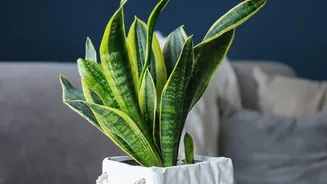
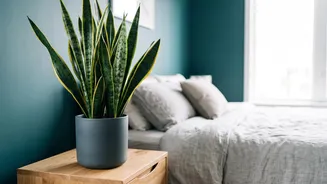
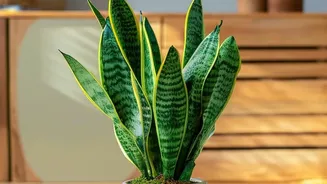
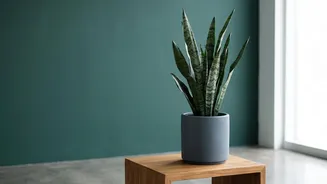
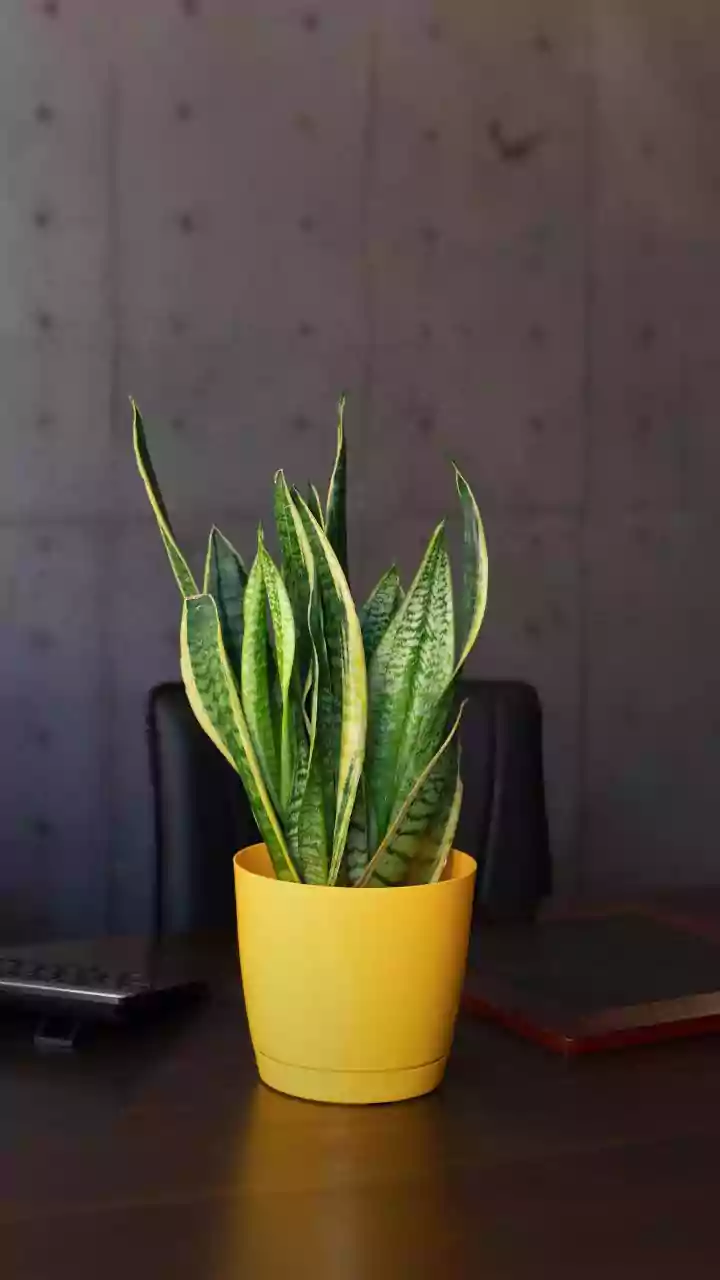
The Snake Plant (Dracaena trifasciata) is arguably the king of low-maintenance greenery. For young urbanites juggling busy careers and social lives, its ability to thrive on neglect is a major selling point. It tolerates low light, infrequent watering, and dry air—conditions common in many apartments. Its sword-like, architectural leaves fit perfectly with modern, minimalist aesthetics, adding a structural element to interior decor. Beyond its looks, the Snake Plant has a unique trait: unlike most plants, it performs a type of photosynthesis that allows it to release oxygen at night. While this won't dramatically change a room's oxygen levels, it's a fascinating feature that adds to its appeal as a bedroom companion.
The Peace Lily: Elegance That Communicates
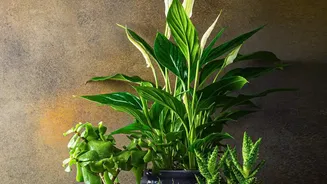
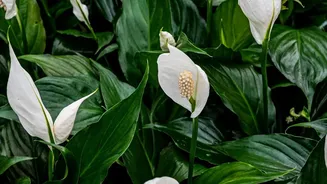
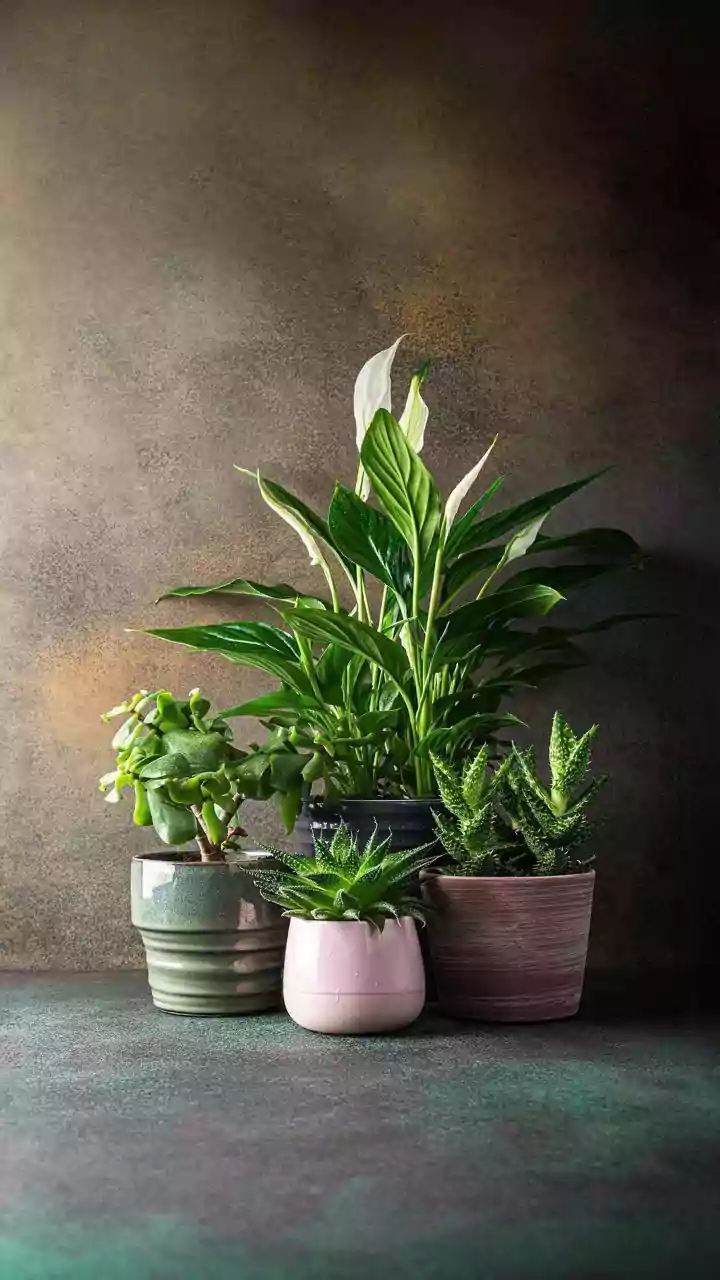
The Peace Lily (Spathiphyllum) offers a softer, more elegant aesthetic with its glossy, dark green leaves and iconic white spathes. It’s a favourite because it visibly communicates its needs; the leaves droop dramatically when it's thirsty, providing a clear and timely reminder for even the most forgetful plant owner. Once watered, it perks back up within hours. This user-friendly nature makes it an excellent choice for beginners. Like the Snake Plant, it is known for its ability to filter certain airborne toxins. It also performs well in lower-light conditions and helps increase humidity by releasing moisture into the air, which can be a benefit in dry, air-conditioned rooms.
More Than Plants: A Lifestyle Statement
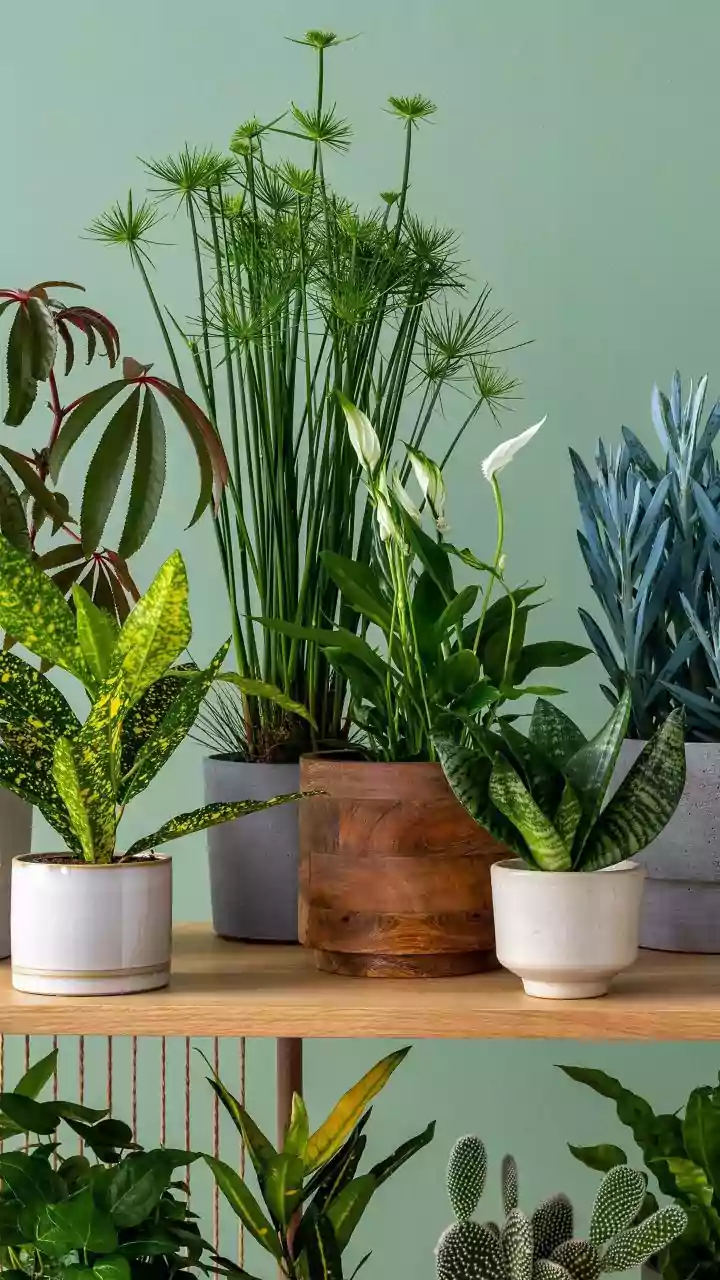
The trend of keeping Snake Plants and Peace Lilies goes beyond simple decoration. For many millennials and Gen Zers in urban areas, it’s about creating a personal sanctuary. In cities where access to green space is limited, houseplants offer a vital connection to nature. This movement, often dubbed 'plant parenthood', is also tied to wellness; the act of nurturing a living thing can reduce stress and provide a sense of accomplishment. Unlike pets, plants are a lower-cost, lower-commitment way to satisfy this nurturing instinct, which is an important consideration for a generation often facing financial pressures and living in rental accommodations. Social media has further amplified this trend, with platforms like Instagram filled with images of curated 'urban jungles', making these plants a symbol of a mindful and aesthetically conscious lifestyle.