
Why A Monsoon Safari?
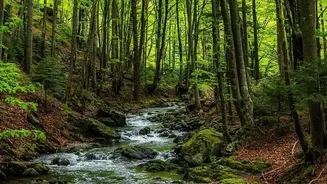
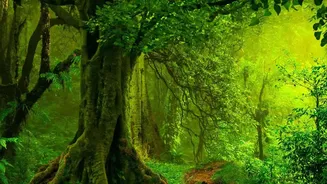
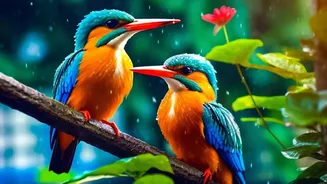
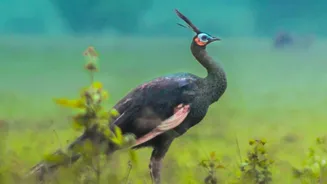
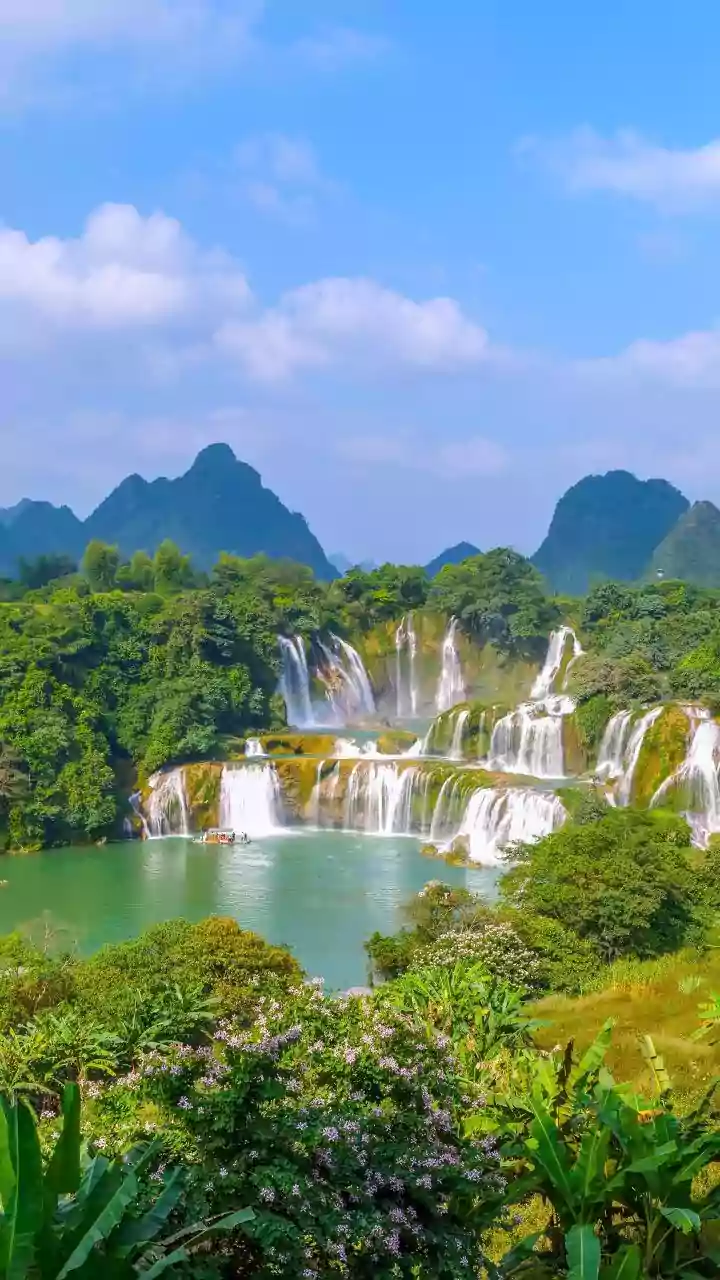
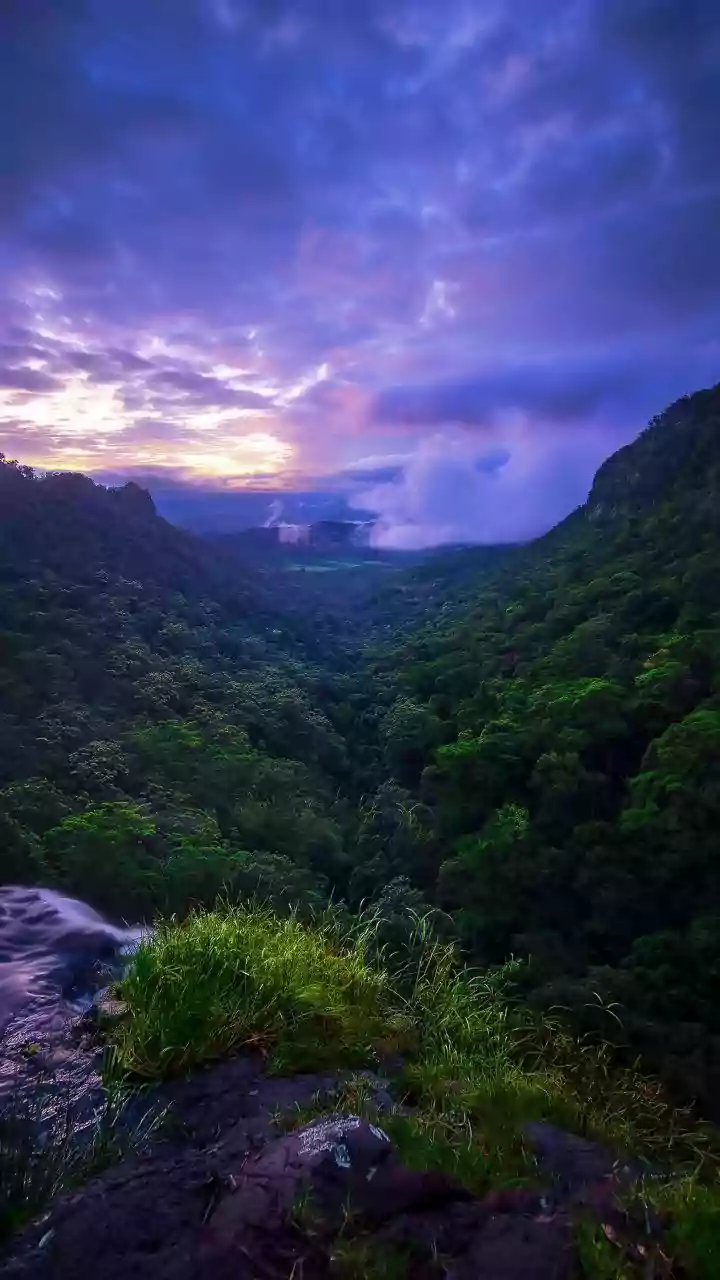
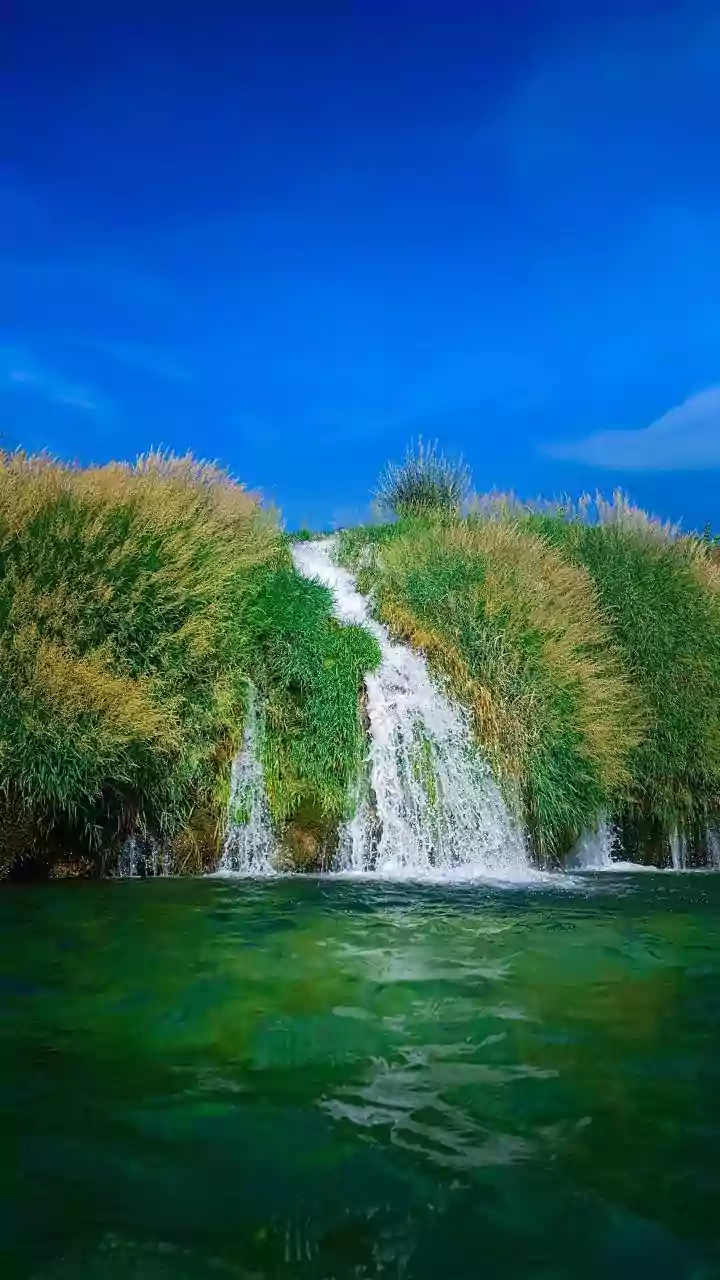
A wildlife safari during the monsoon is a completely different experience from a trip in the dry season. The forest transforms into a vibrant green paradise, washed clean by the rains. Rivers and waterholes are full, the air is fresh, and the misty, dramatic
landscapes are a photographer's dream. While the dense foliage can make spotting animals a little more challenging, the trade-off is fewer tourists, a more peaceful atmosphere, and the chance to see wildlife behaviour unique to this season. Many animals are more active, and the birdwatching is often phenomenal. It’s a chance to see the jungle at its most rejuvenated and alive.
Tadoba-Andhari Tiger Reserve, Maharashtra
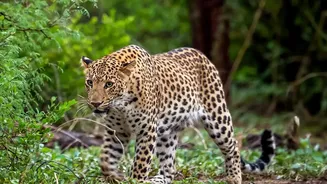
Tadoba is renowned as one of India's best destinations for tiger sightings, and thankfully, it doesn't completely close during the monsoon. While the core zones shut down from July to September, several buffer zones like Moharli and Kolara remain open for safaris. The high tiger density means chances of a sighting remain significant even in the rains. In fact, some guides note that tigers often use the clearer safari tracks to move around, avoiding the waterlogged undergrowth. Beyond tigers, the lush bamboo forests are home to leopards, wild dogs, and sloth bears. The monsoon brings out the forest's vibrant colours, making for a spectacular backdrop to any wildlife encounter.
Ranthambore National Park, Rajasthan
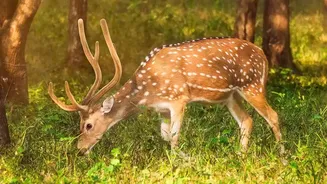
Contrary to popular belief, you can still experience the magic of Ranthambore in August. While the core tiger zones (1-5) are closed for breeding and safety, the buffer zones (6-10) remain open for safari enthusiasts. The monsoon transforms the dry, deciduous landscape of Rajasthan into a surprisingly lush and green spectacle. These buffer zones are rich in biodiversity, and you can still spot sambar deer, sloth bears, and various waterbirds. Tiger sightings, though less predictable than in the dry season, are still possible, and the park’s historic forts and ruins look even more dramatic against a backdrop of monsoon clouds.
Periyar National Park, Kerala
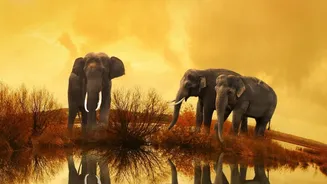
Located deep in the Western Ghats, Periyar National Park in Kerala is open year-round and truly comes alive during the monsoon. The primary way to experience Periyar is not by jeep, but by a boat safari on the expansive Periyar Lake. Gliding across the misty waters, you have an excellent chance of spotting herds of elephants bathing and socializing by the lakeside, a truly iconic sight. The park is also a haven for birdwatchers, with species like the Malabar grey hornbill being prominent. The constant rain nourishes a stunning array of wild orchids and dense foliage, creating a mystical, serene atmosphere that is quintessentially Kerala.
Jim Corbett National Park, Uttarakhand
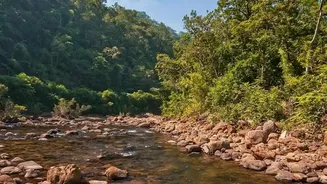
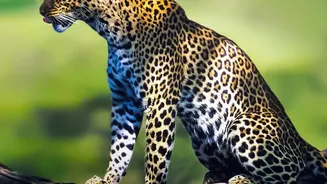
As India's oldest national park, Jim Corbett holds a special place in the hearts of wildlife lovers. While the famous core zones like Dhikala and Bijrani close during the monsoon due to washed-out roads, several buffer zones remain accessible. Areas such as Jhirna, Dhela, and Sitabani stay open, offering a quieter but still rewarding safari experience. These zones have a healthy population of tigers and leopards, and elephant sightings are common. The Ramganga River swells with the rains, and the forests become incredibly lush. For those looking for more than just a jeep safari, some adventure activities like river rafting may also be available nearby during this season.
Tips for Your Monsoon Adventure
A monsoon safari requires a bit of extra preparation. Always book your safari permits and accommodation well in advance, as slots can still be limited. Pack lightweight, quick-drying clothes and a reliable rain poncho or jacket. Waterproofing your electronic gear, especially cameras and phones, is essential. Be prepared for muddy tracks and the possibility of delays due to heavy rain. Finally, embrace the spirit of the season. A monsoon safari is as much about the vibrant, rain-soaked atmosphere and the chorus of the jungle as it is about spotting the star attractions.