






The Study's Groundbreaking Projections
Preliminary research presented at the American Heart Association's Hypertension Scientific Sessions 2026 paints a powerful picture of prevention. A modeling analysis estimated that effectively managing high blood pressure could prevent more than 518,000
deaths from cardiovascular disease each year across 20 upper- and lower-middle-income countries. The study found that boosting hypertension control was the single most impactful preventive service, saving more lives than improving cholesterol management or blood sugar control combined. This highlights a massive opportunity to tackle cardiovascular disease, which remains a leading cause of death in India and globally. However, the study's optimistic projections are not a guarantee; they are based on a significant 'if'.
The Critical Role of Healthcare Access
The life-saving estimates are based on a scenario where preventive care services are expanded to reach about 80% of eligible patients, mirroring the success of high-performing health systems. This means the numbers are contingent on vastly improved access to and use of healthcare. The research found that currently, only about one in five adults with hypertension in the countries studied has their condition under control. The link is clear: better access to primary care is associated with improved high blood pressure awareness and control. This involves regular screening to detect the condition early, consistent follow-up with doctors, and access to affordable medication. Without this systematic approach, the potential to save lives remains just that—potential.
The Indian Context: A Gap Between Potential and Reality
The study's findings are particularly resonant in India, where hypertension is a major public health challenge. It's estimated that at least one in four adults in India has hypertension. Yet, awareness, treatment, and control rates remain dangerously low. Some studies indicate that only about 12% of people with the condition have it under control. A large majority of cases remain undiagnosed, highlighting a critical gap in screening and diagnosis. There are also significant geographical variations, with rural areas and less developed states often facing lower levels of awareness and treatment. Initiatives like the India Hypertension Control Initiative (IHCI) are working to bridge this gap, but challenges related to cost, infrastructure, and patient adherence persist.
Why 'Just Knowing Your Numbers' is Not Enough
High blood pressure is often called a 'silent killer' because it typically has no symptoms. This makes regular check-ups essential for early detection. However, simply identifying the problem is only the first step. Studies have shown that even when abnormalities are found during health check-ups, consistent follow-up and medical management are what drive improvement. Staying on treatment can be a challenge, with factors like financial pressure and the difficulty of changing daily habits leading some to stop taking medication. This isn't a failure of willpower but a systemic issue. Improved access to care means not only getting a diagnosis but also receiving ongoing support, affordable treatment, and guidance on crucial lifestyle changes related to diet and exercise.
What You Can Do Now
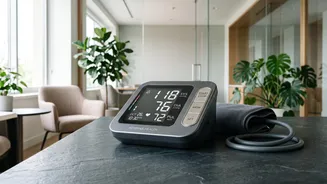
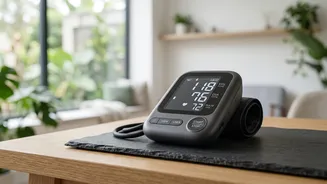
While systemic change is needed to improve healthcare access for all, individuals can still take proactive steps. The first is to prioritise regular blood pressure checks, even if you feel healthy. For those with normal blood pressure, an annual check-up may be sufficient, but those with risk factors like diabetes, obesity, or a family history of heart problems should monitor it more frequently. Home blood pressure monitoring can also be a valuable tool for tracking your numbers between doctor's visits. If you are diagnosed with hypertension, it's vital to follow your doctor’s advice on both medication and lifestyle modifications. Understanding your condition and engaging actively with your healthcare provider is the most powerful tool you have to protect your long-term health.